Woven Cloth, AXD 200 level – Spring 2024
Course Description:
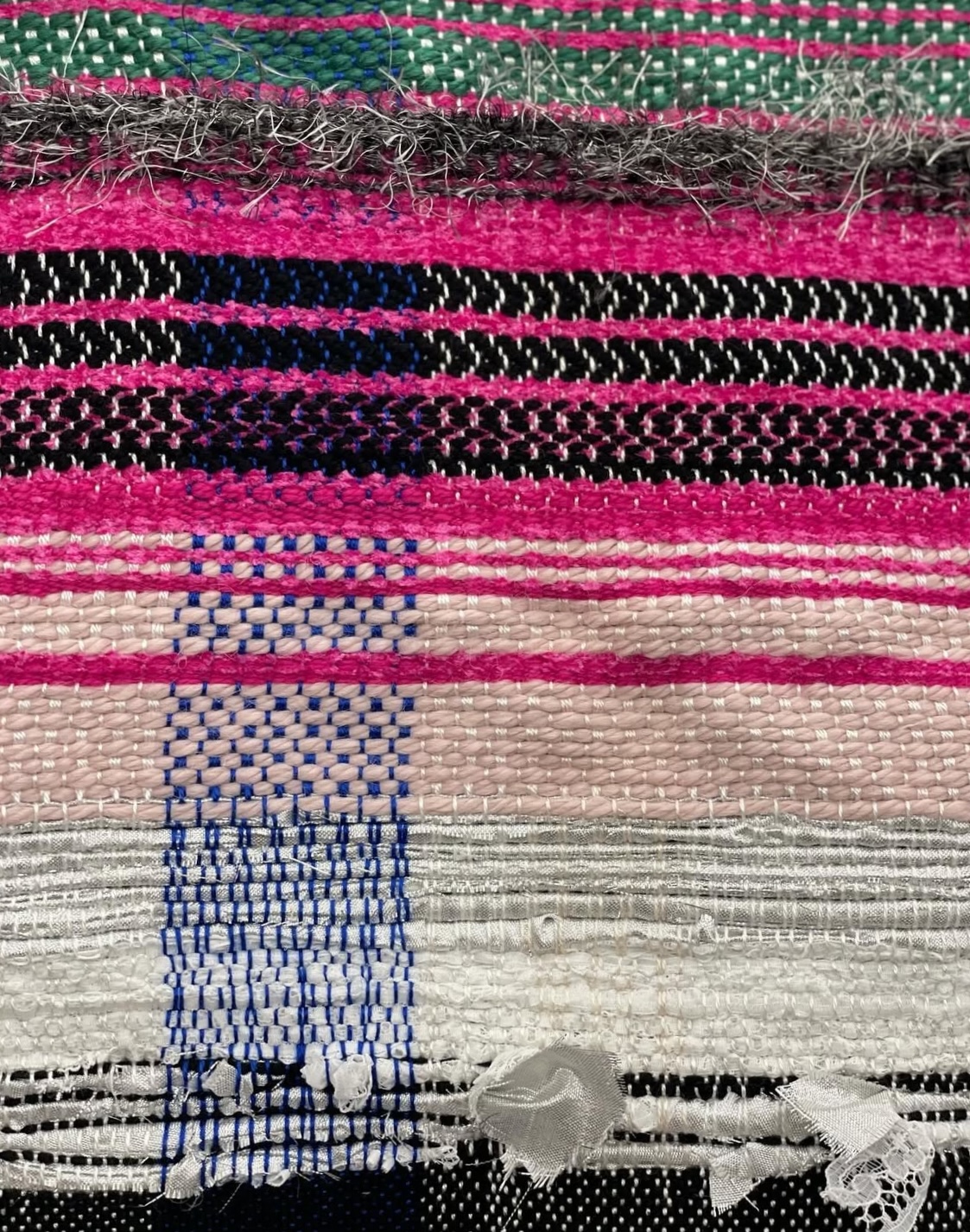
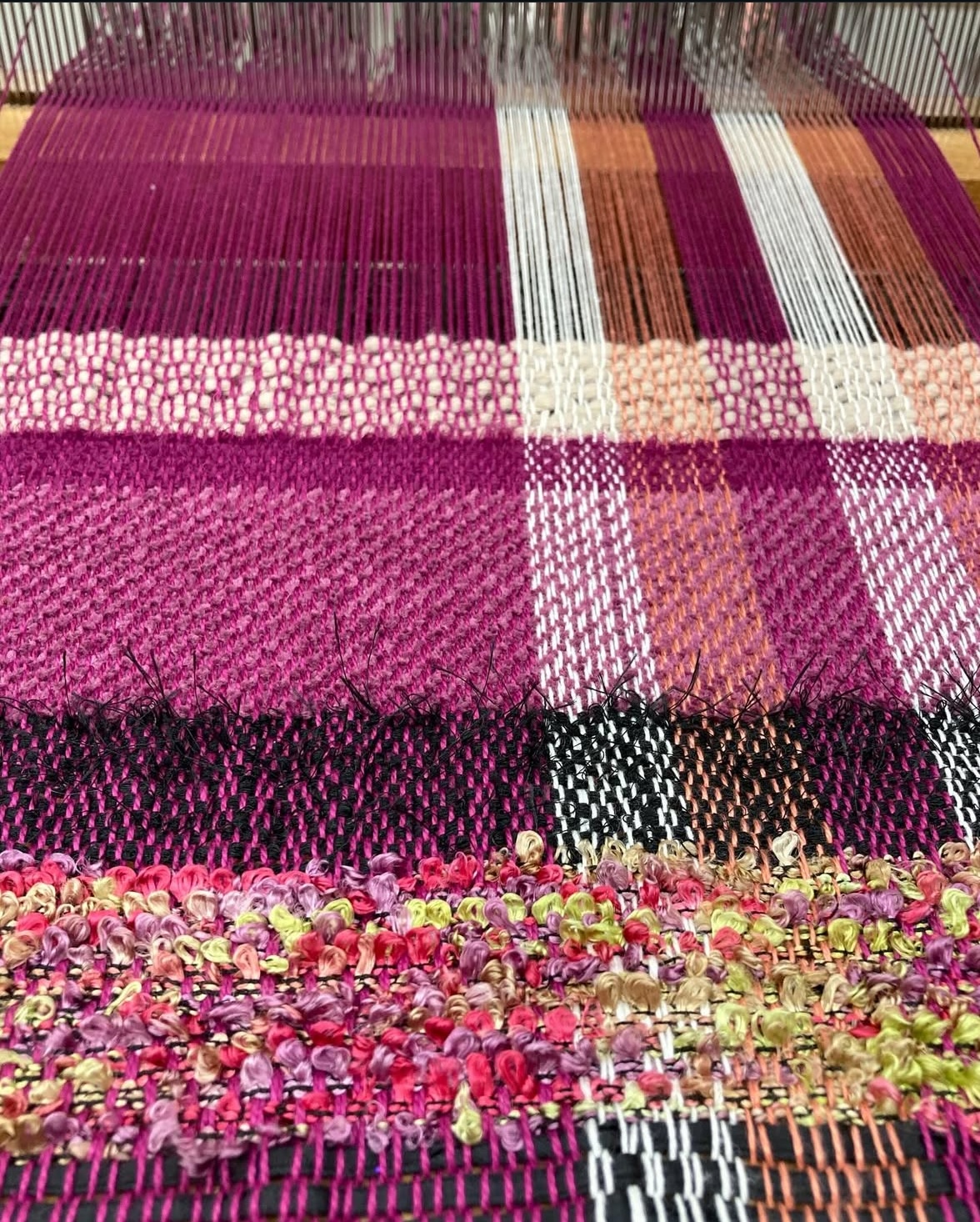
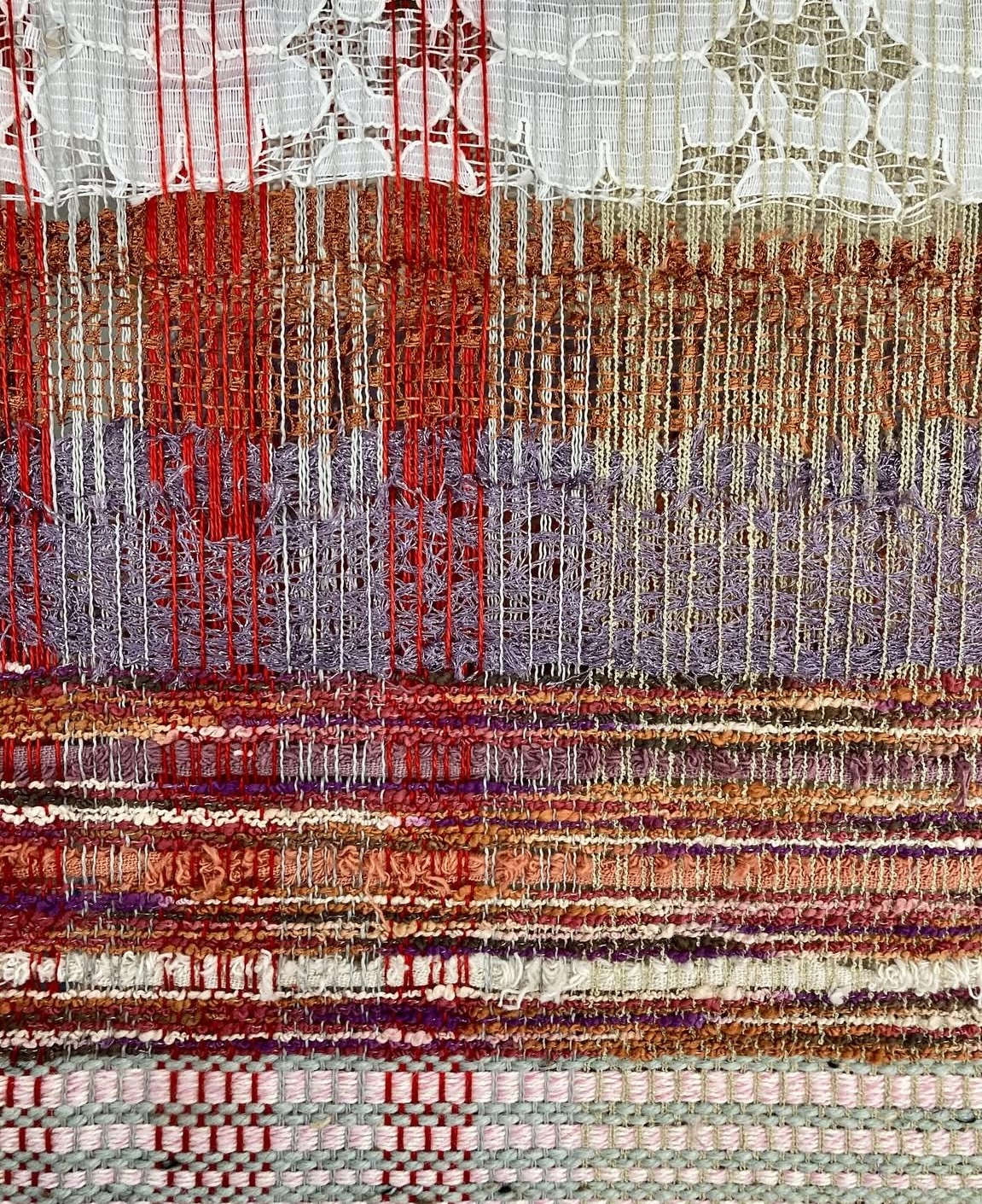
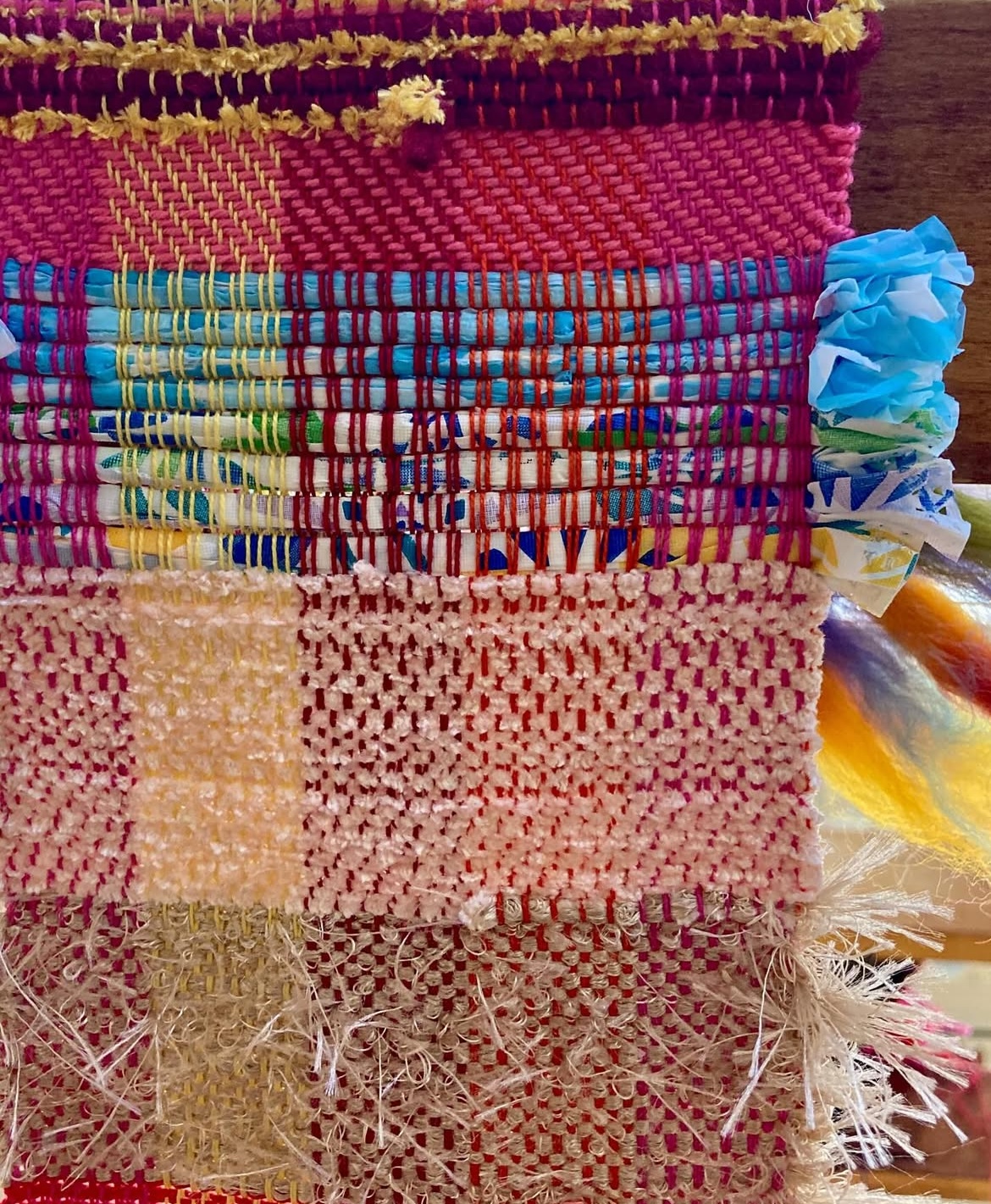
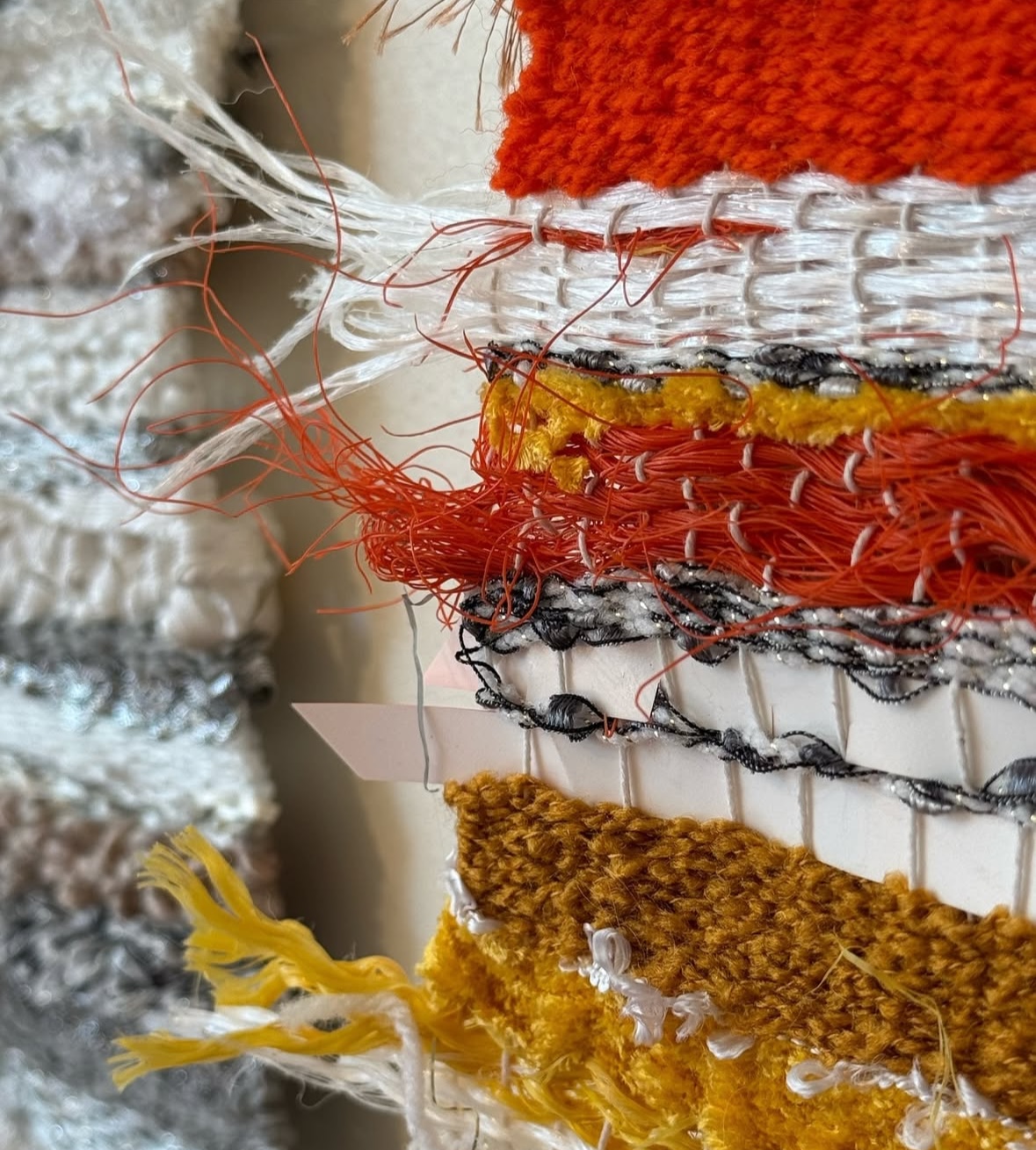
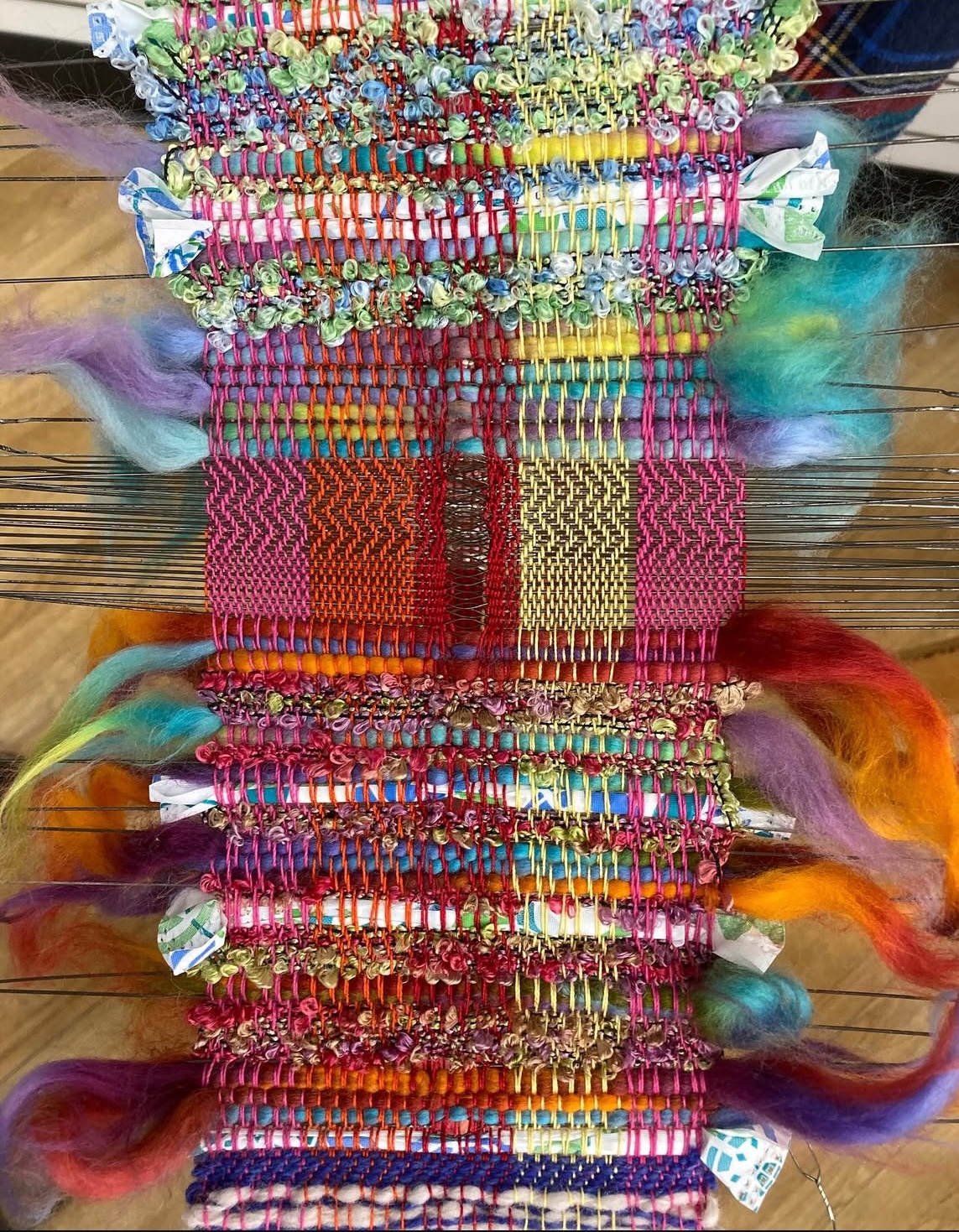
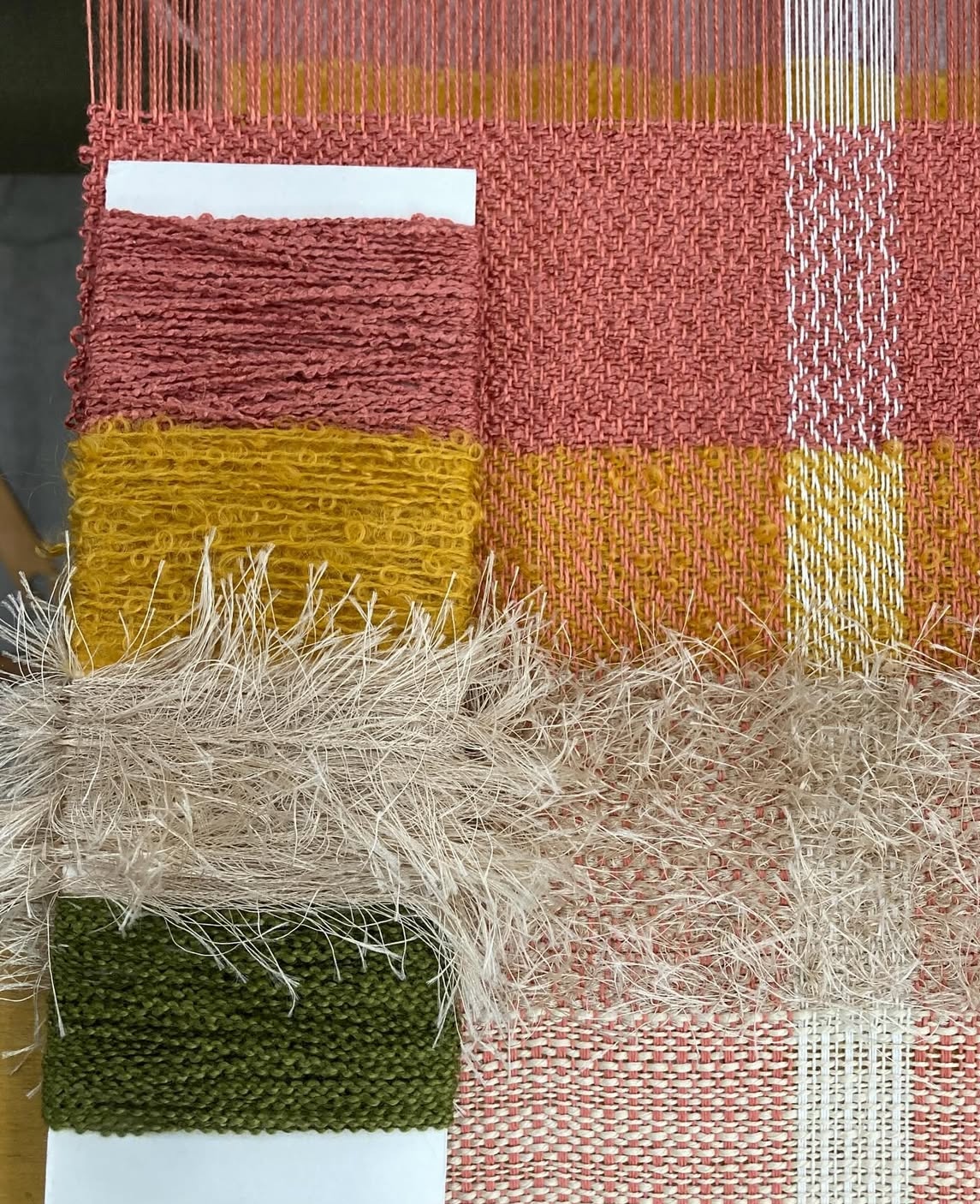
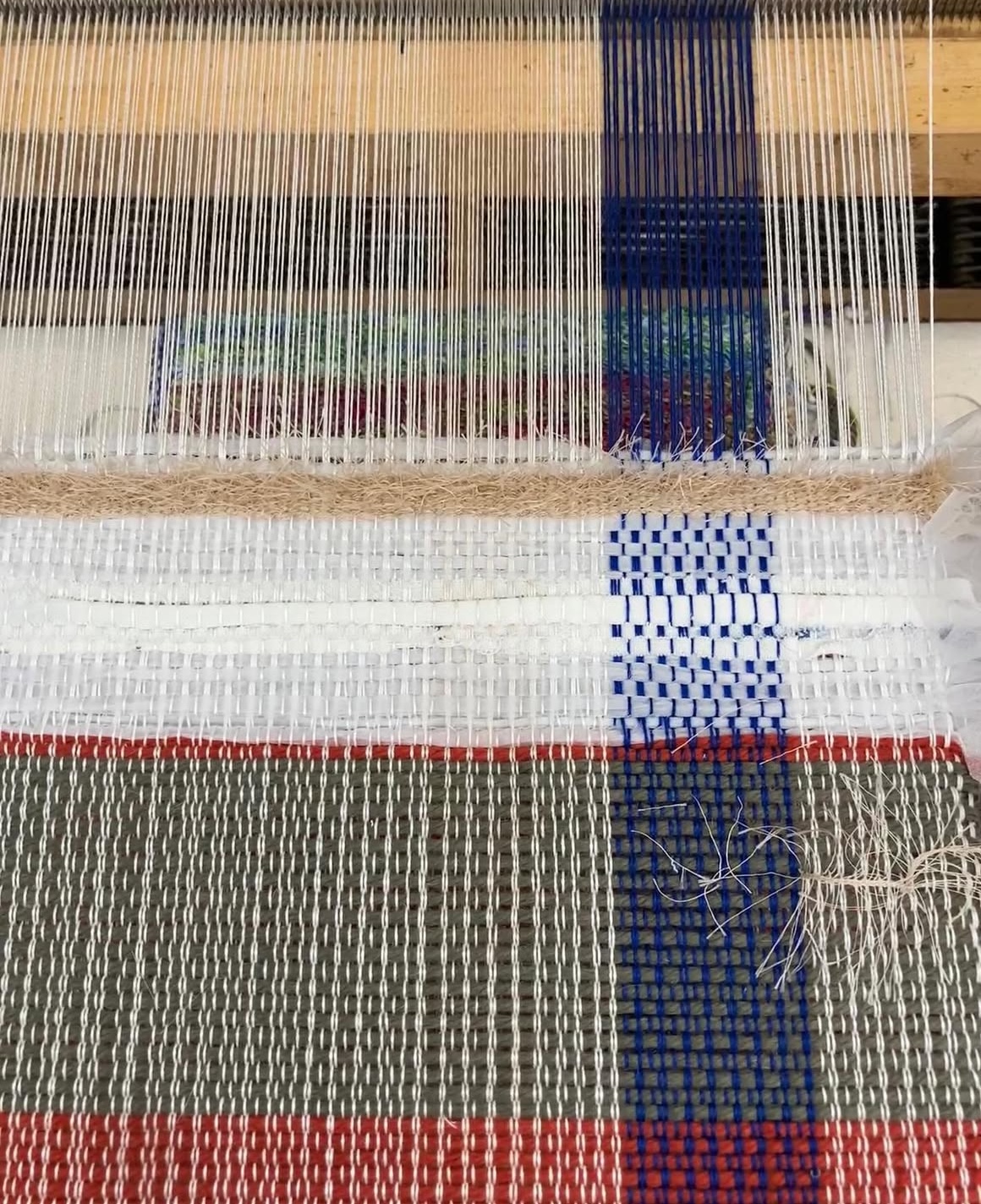
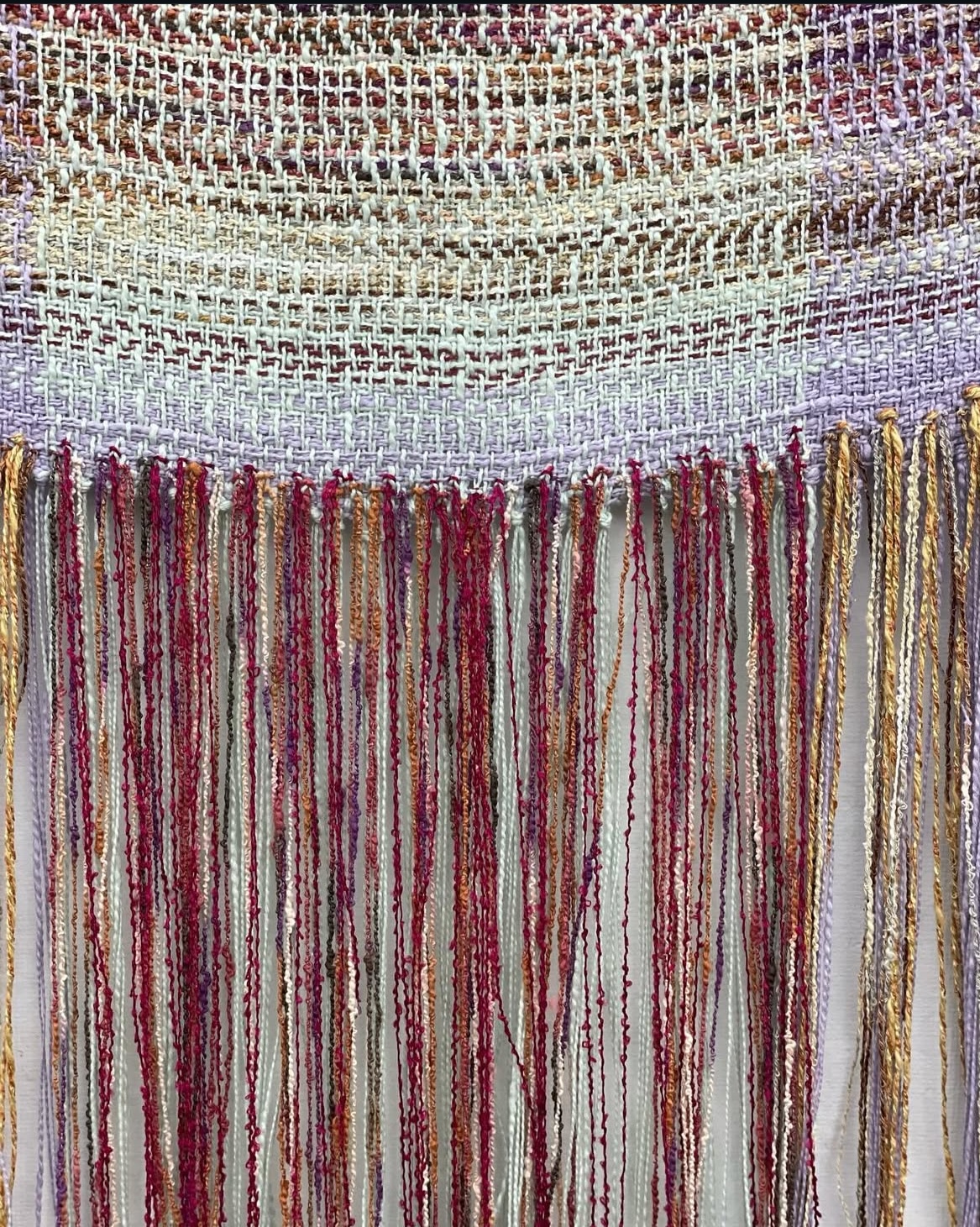
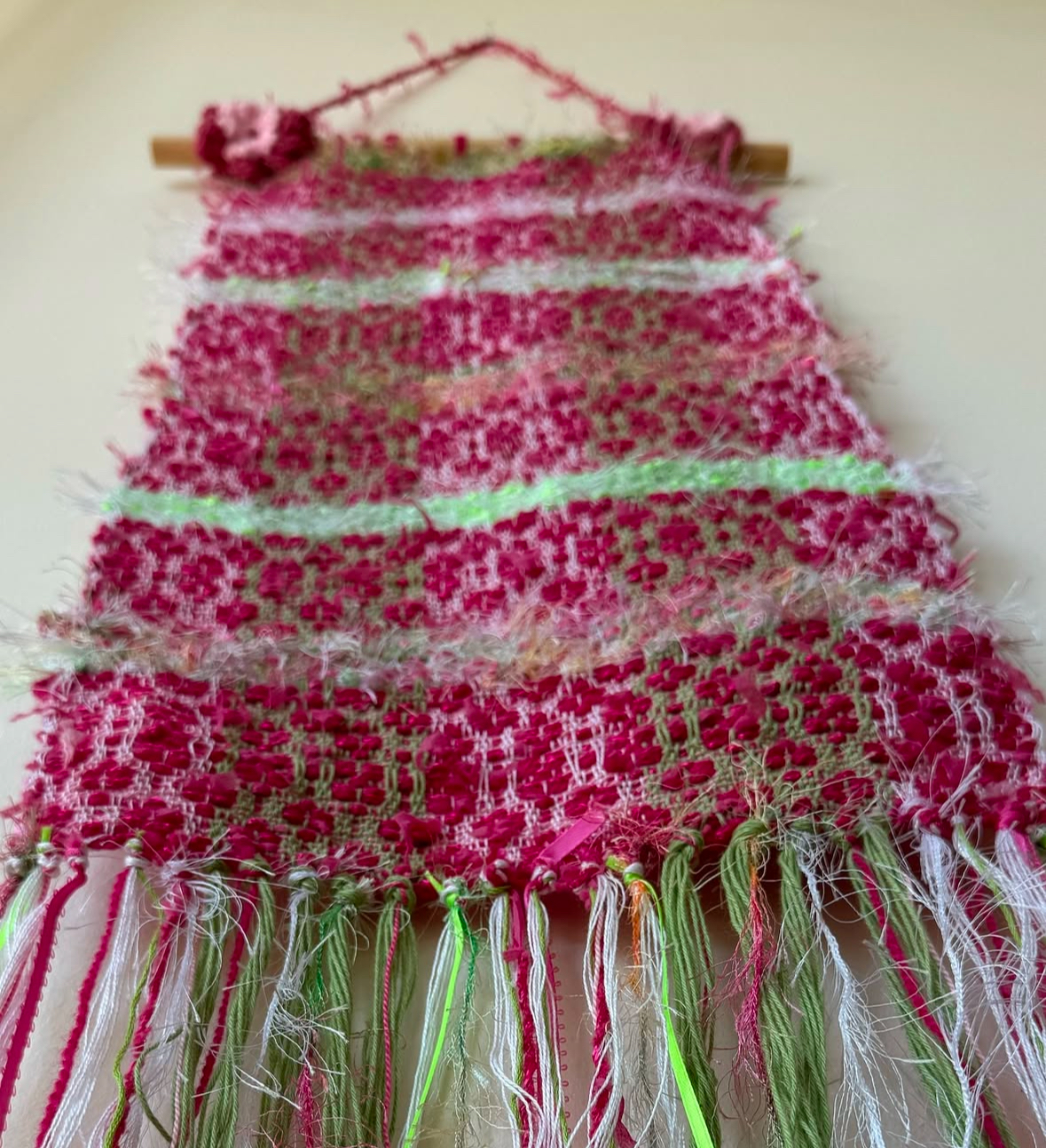
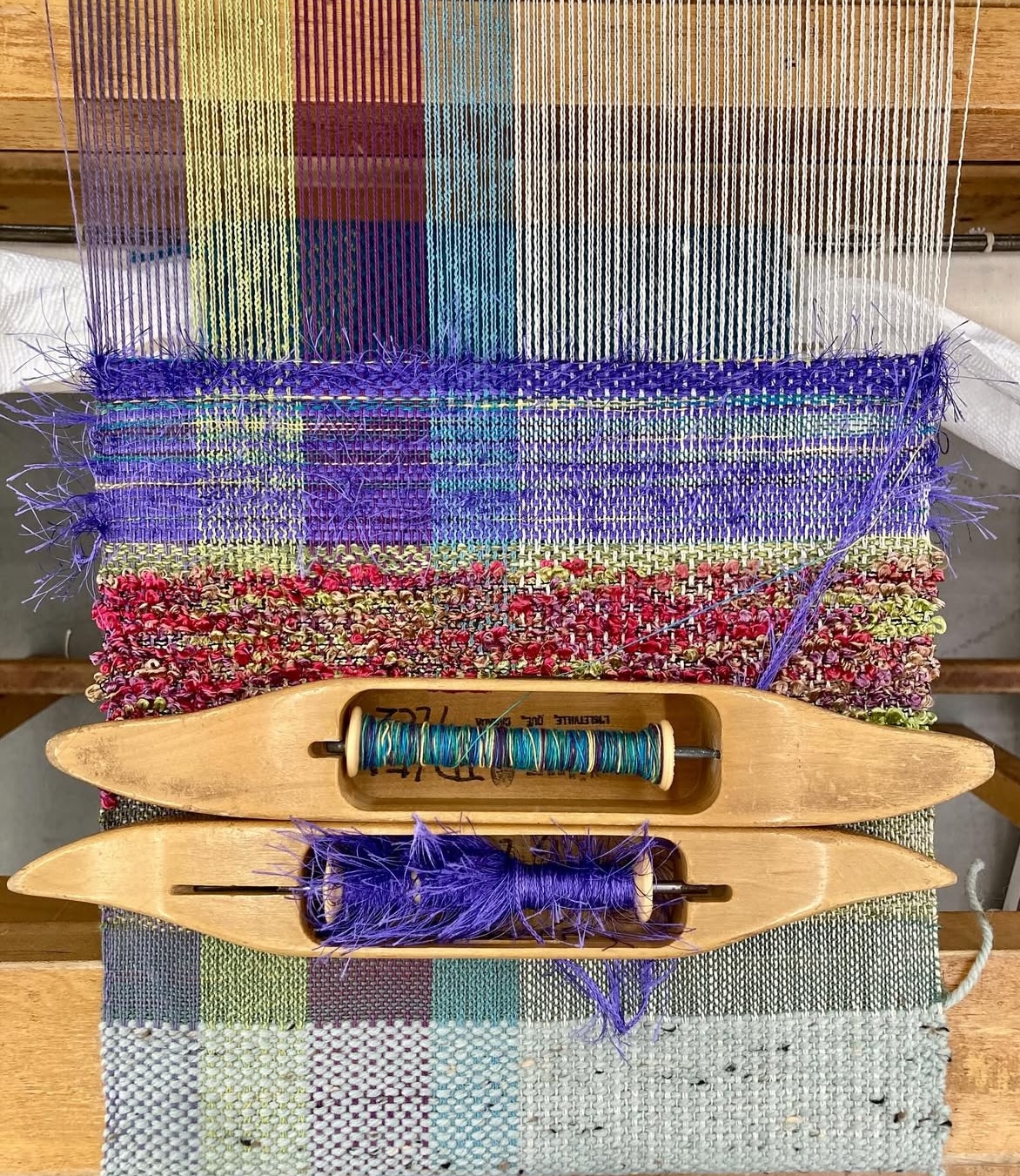
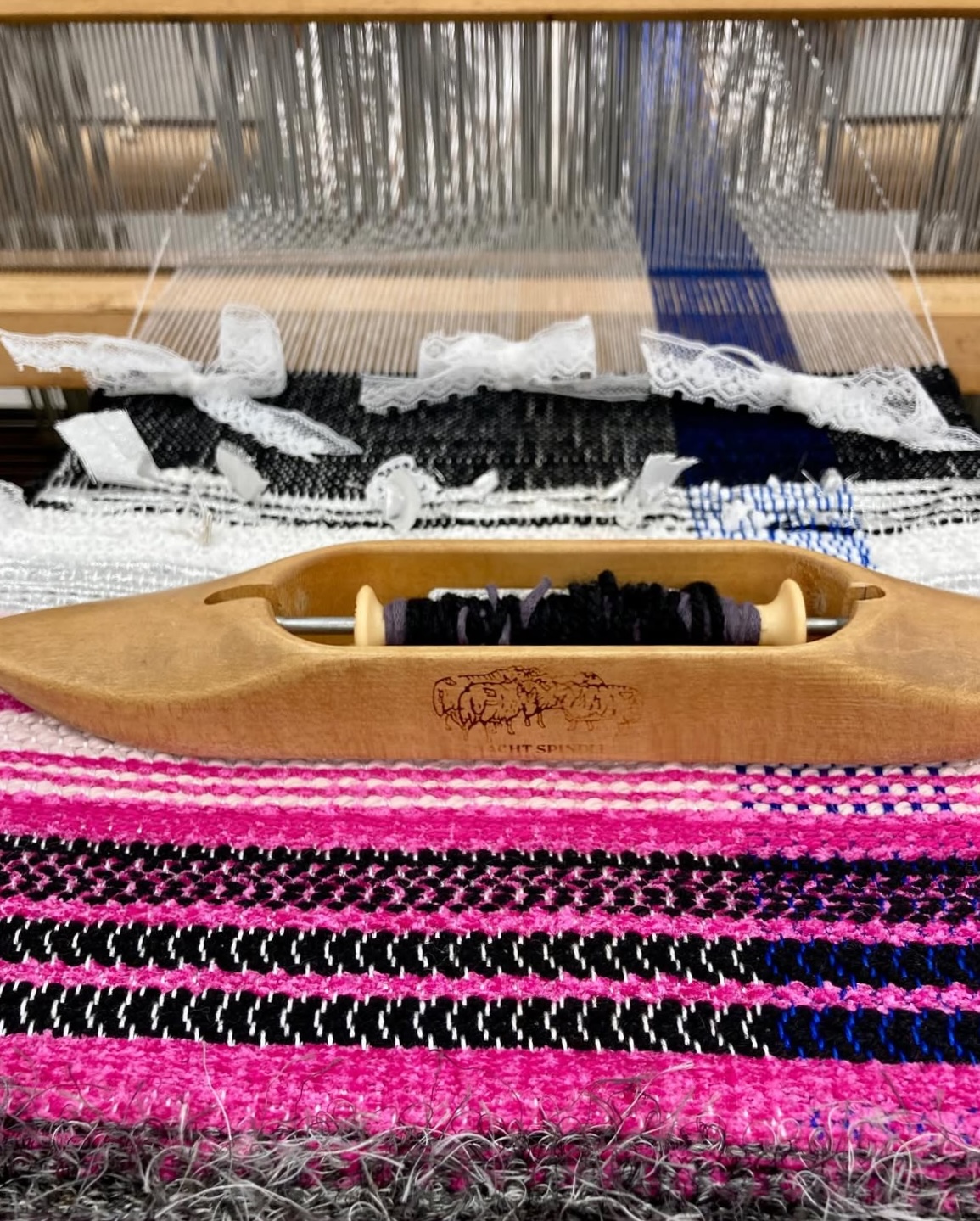
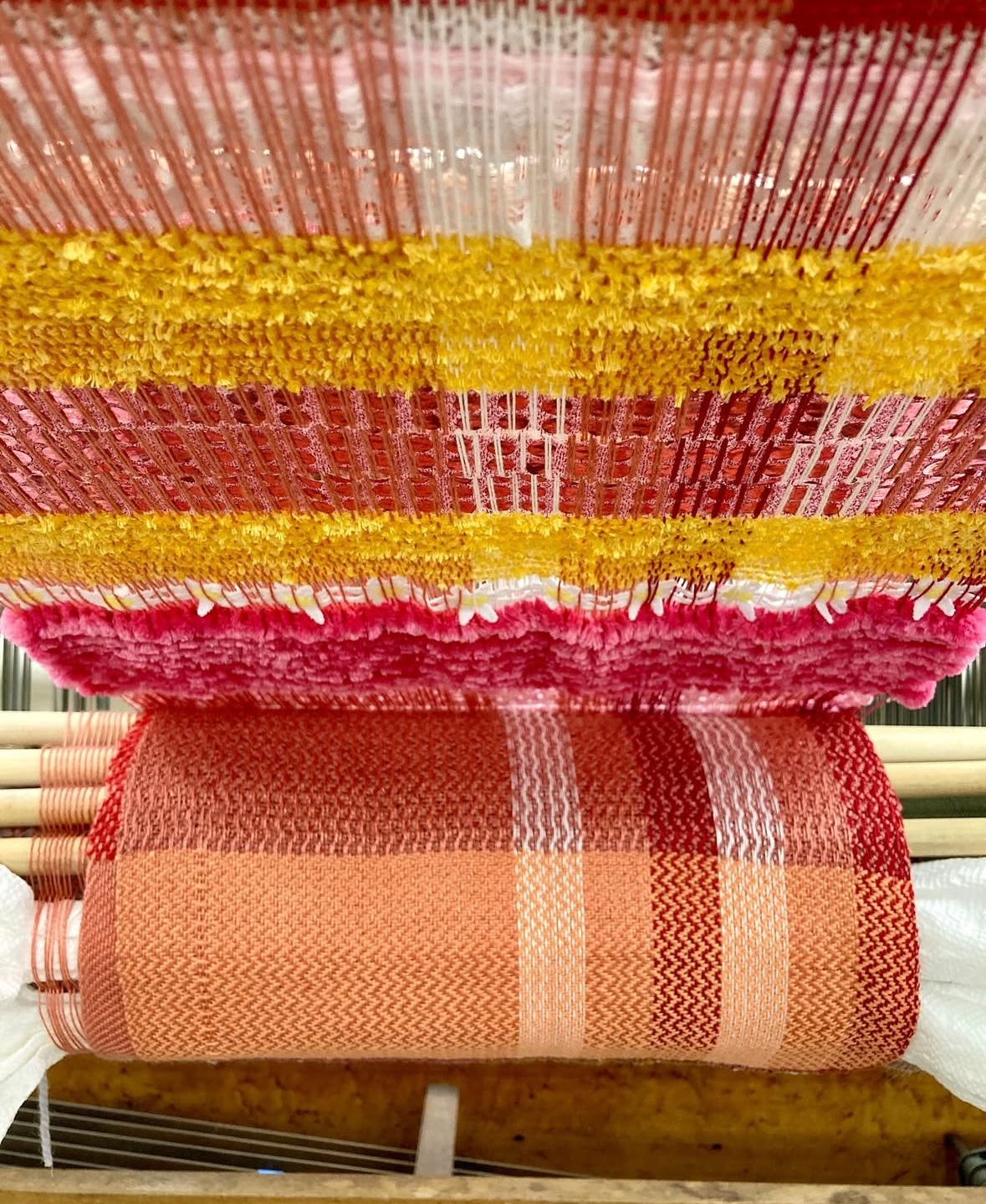
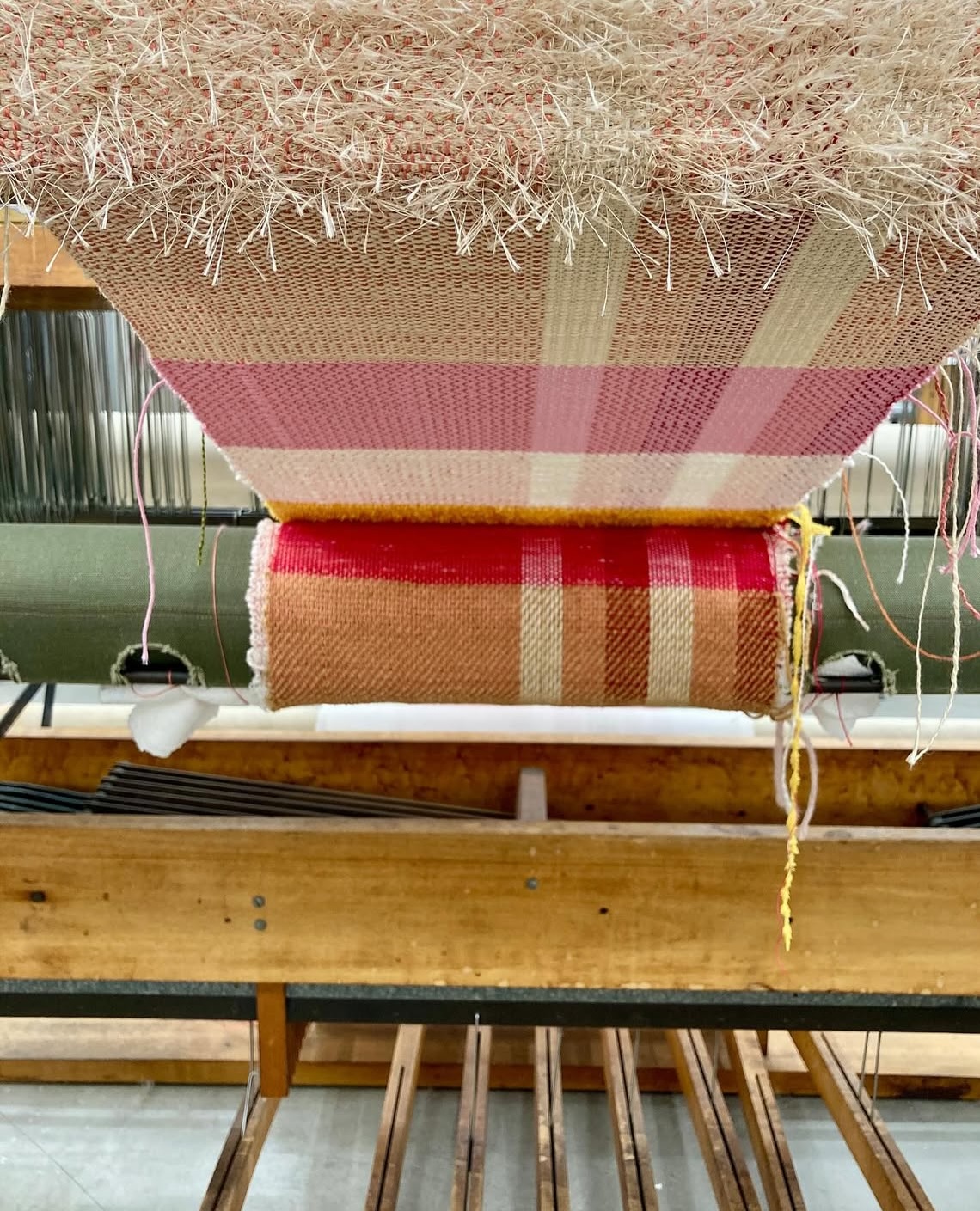
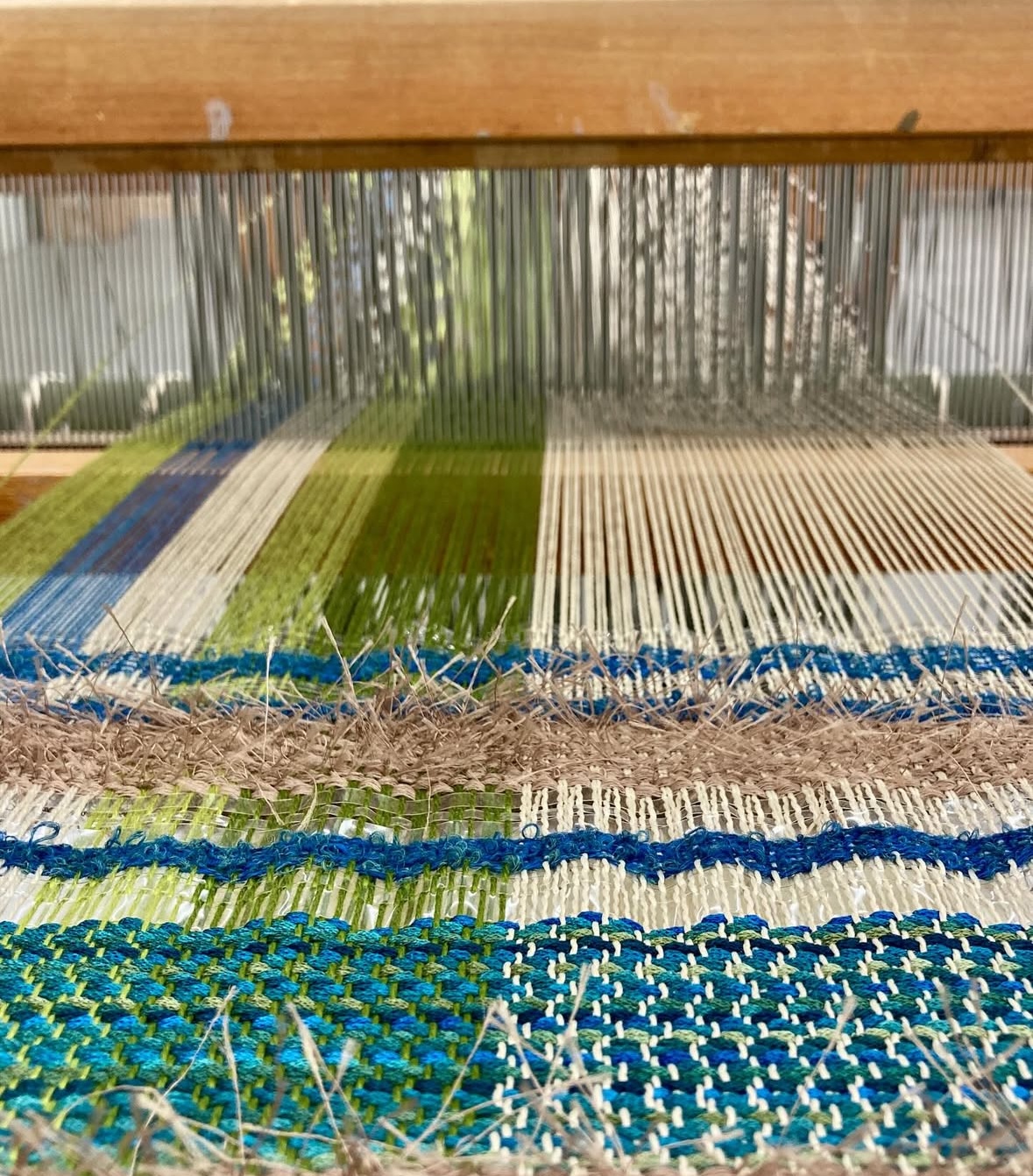
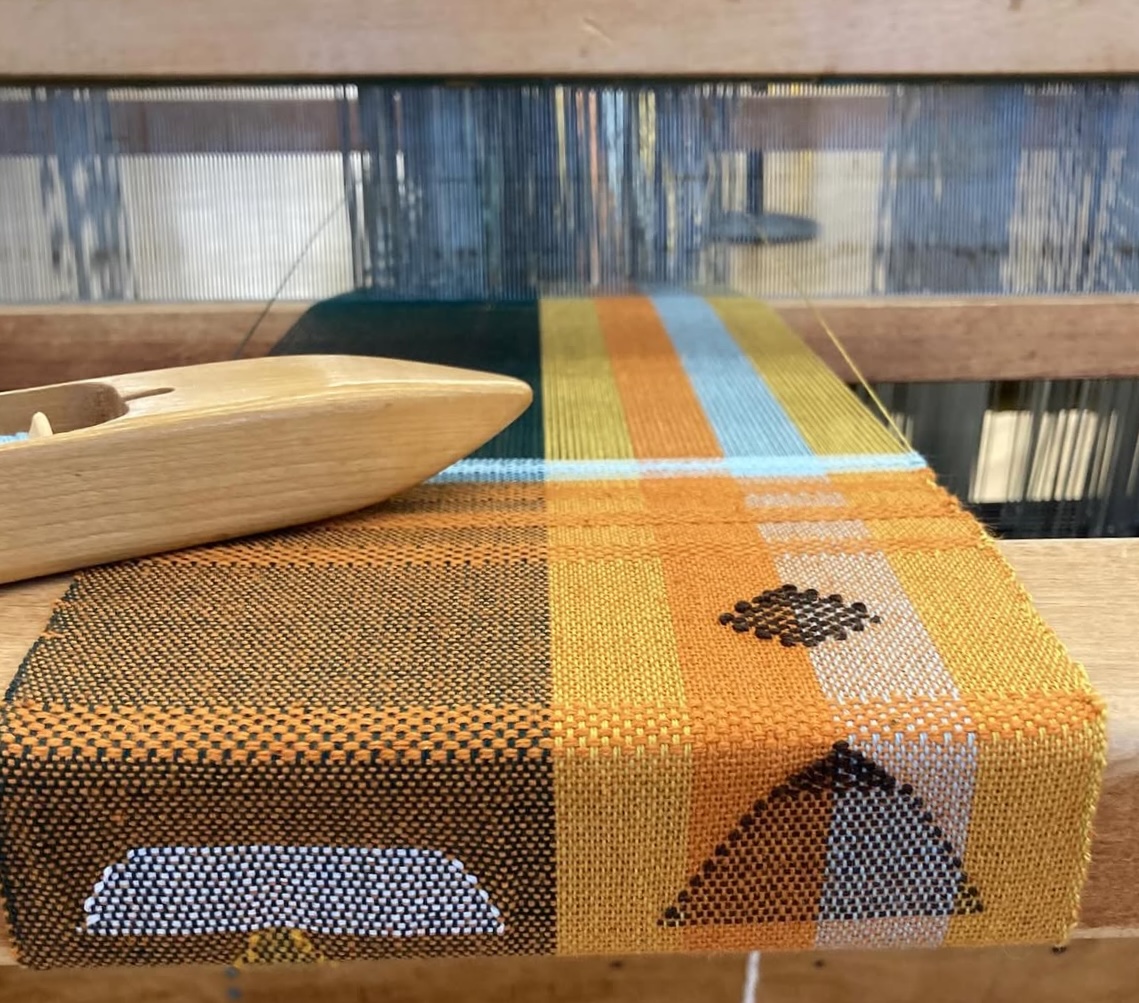
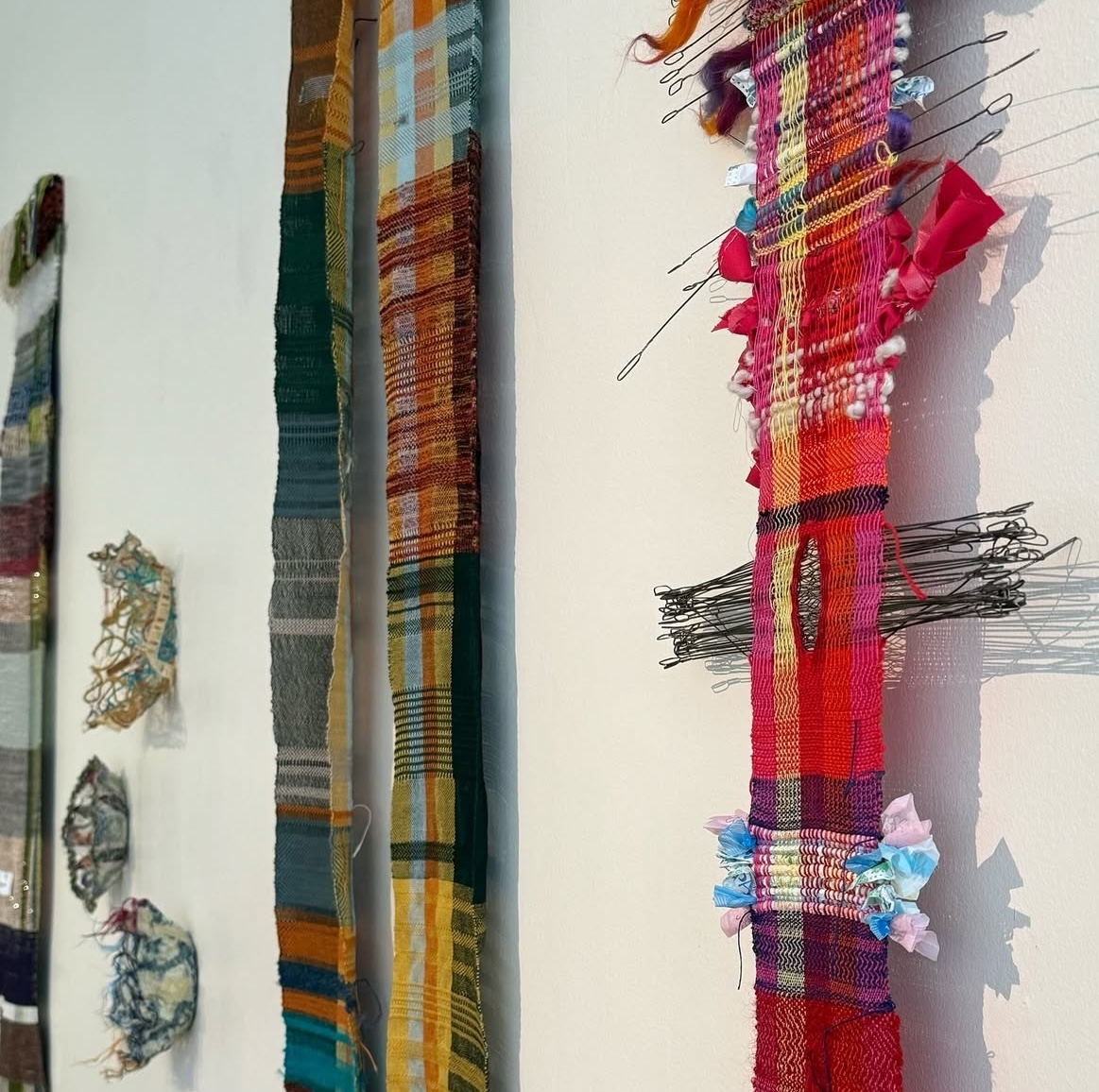
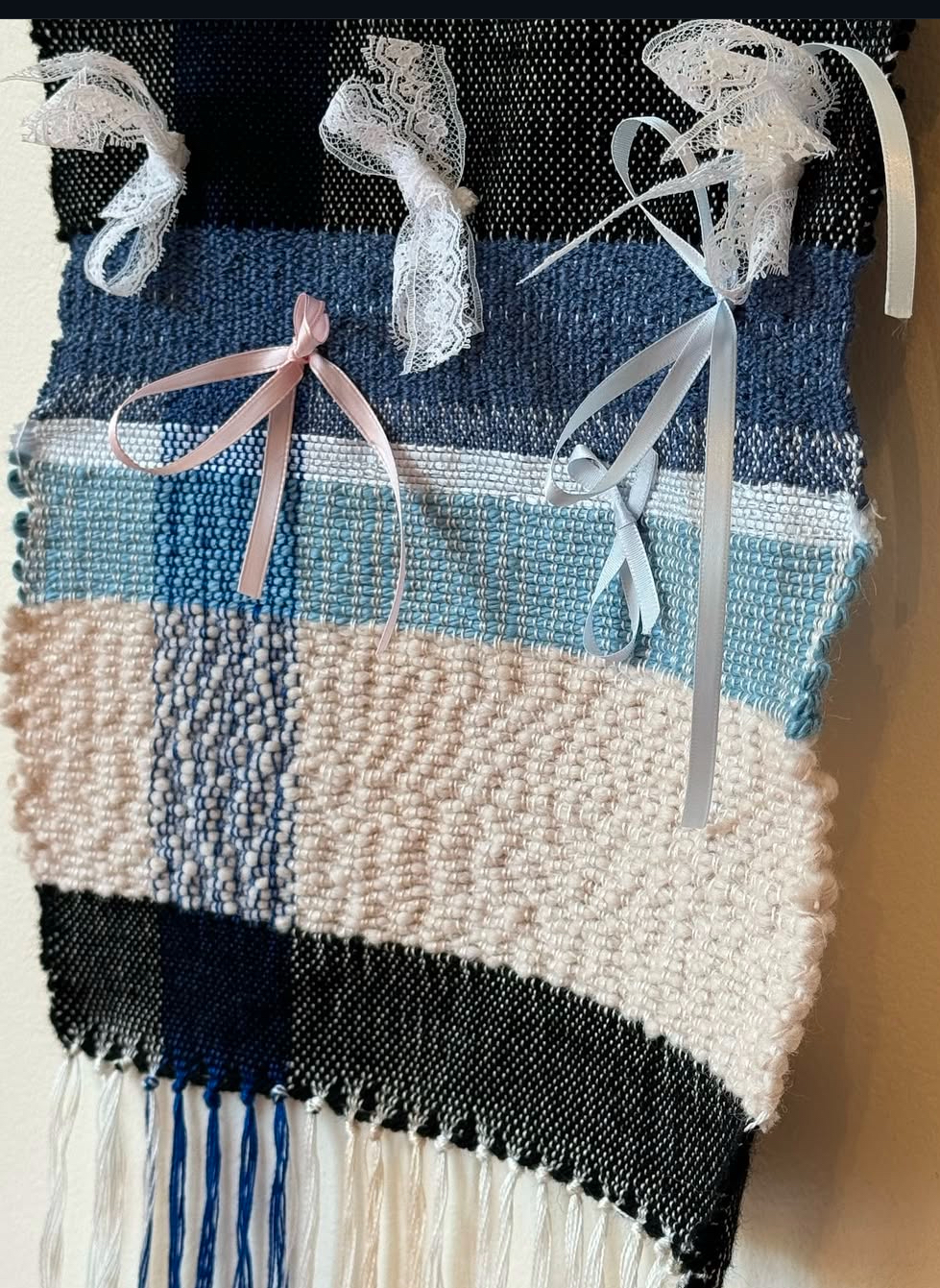
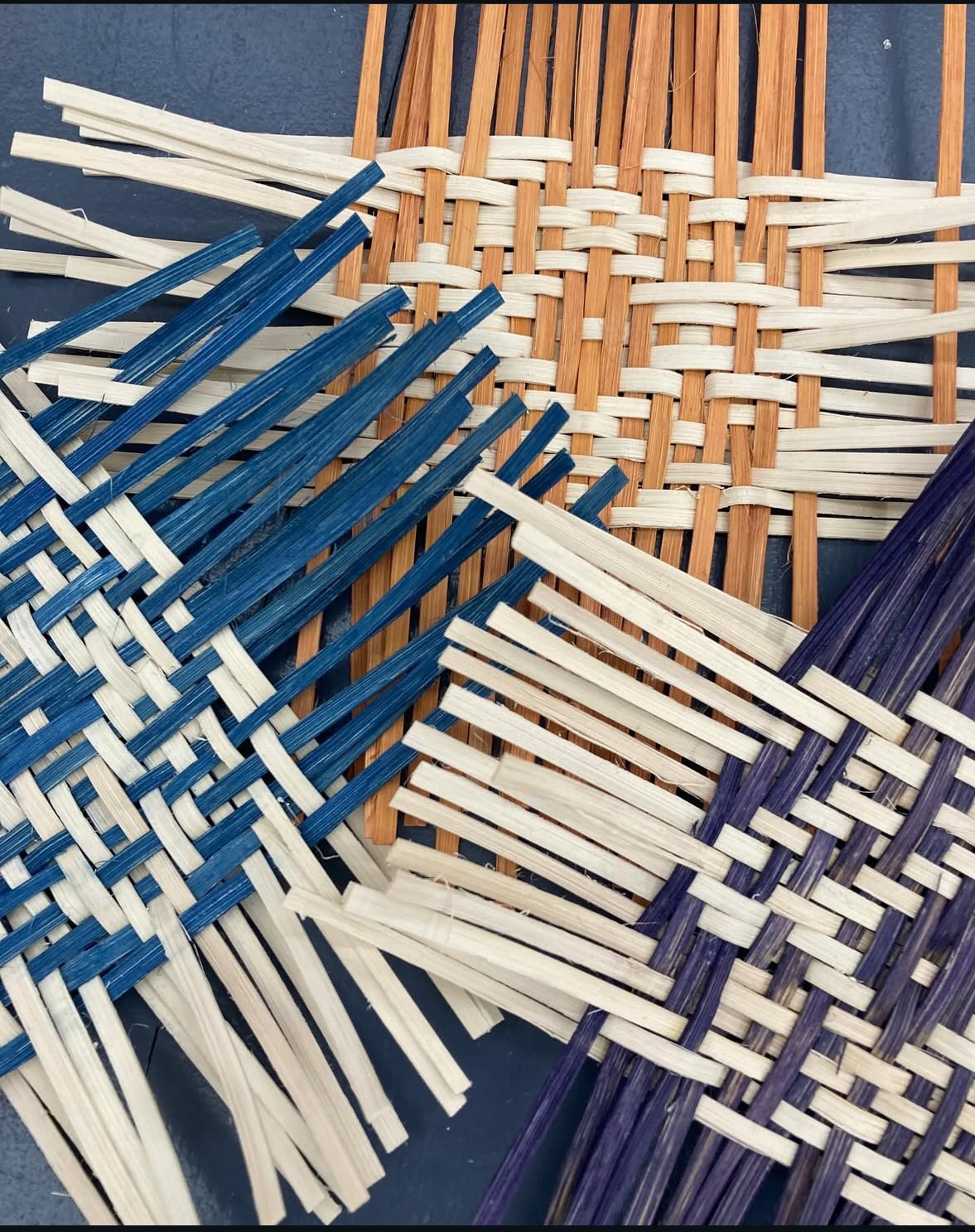
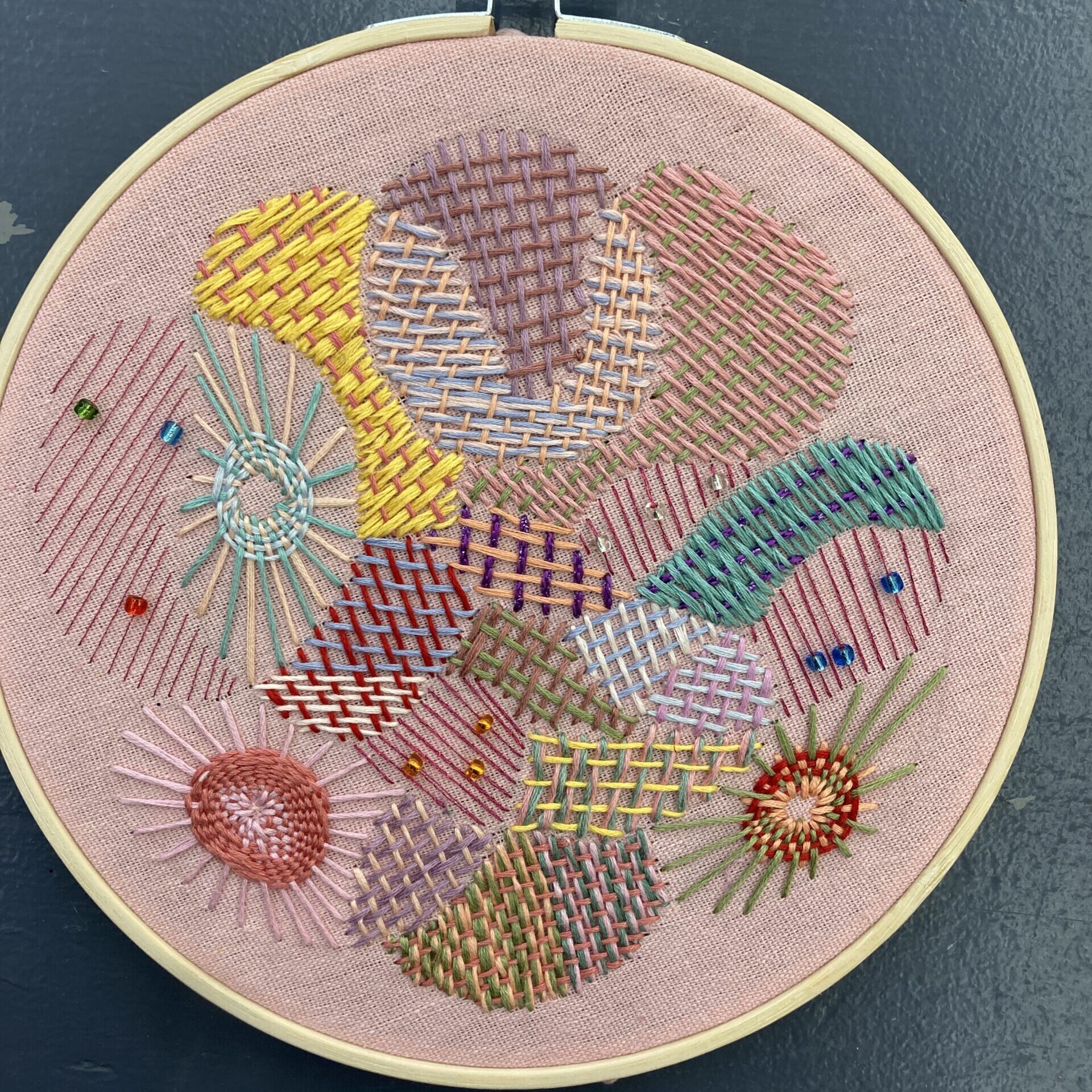
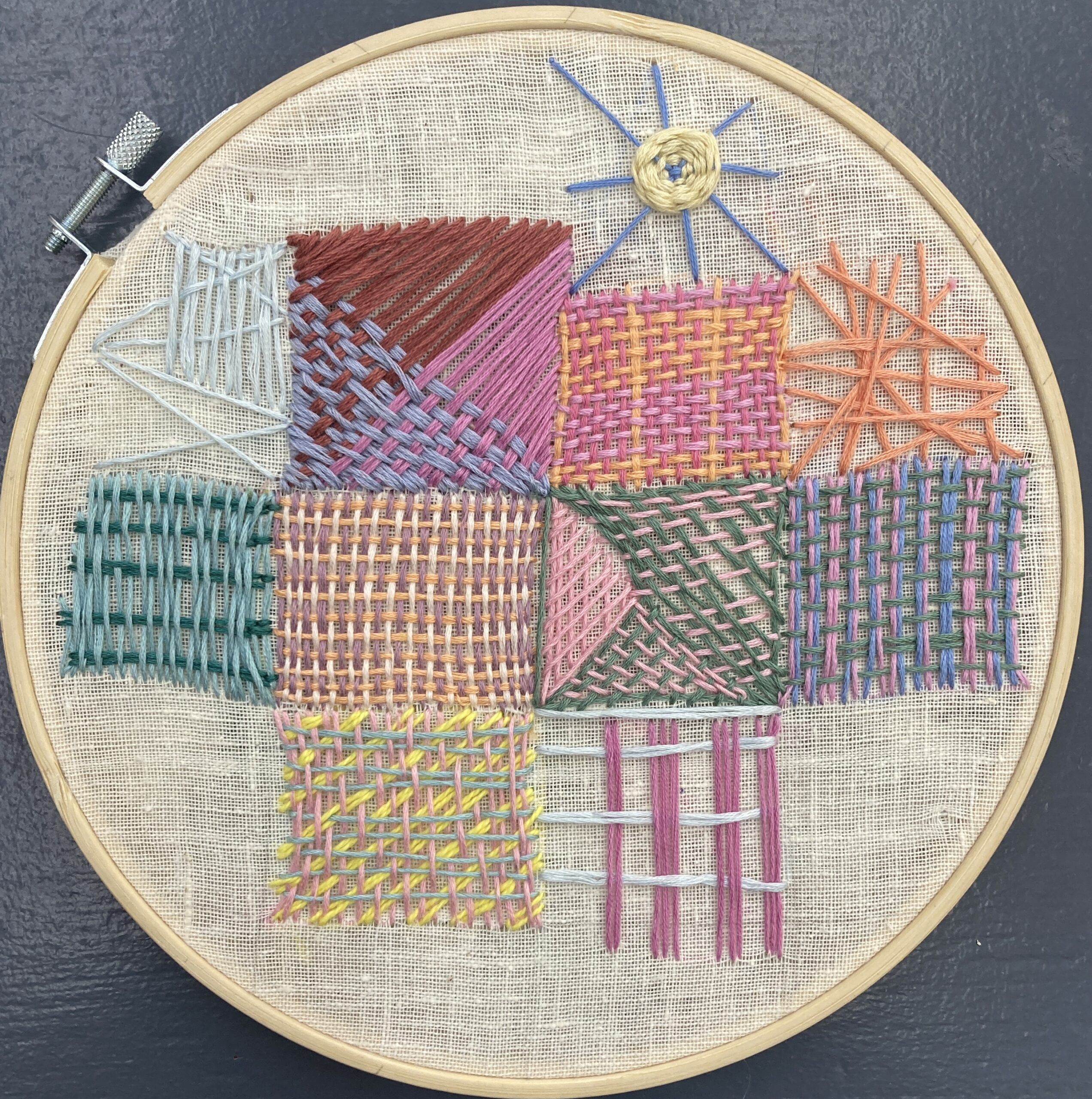
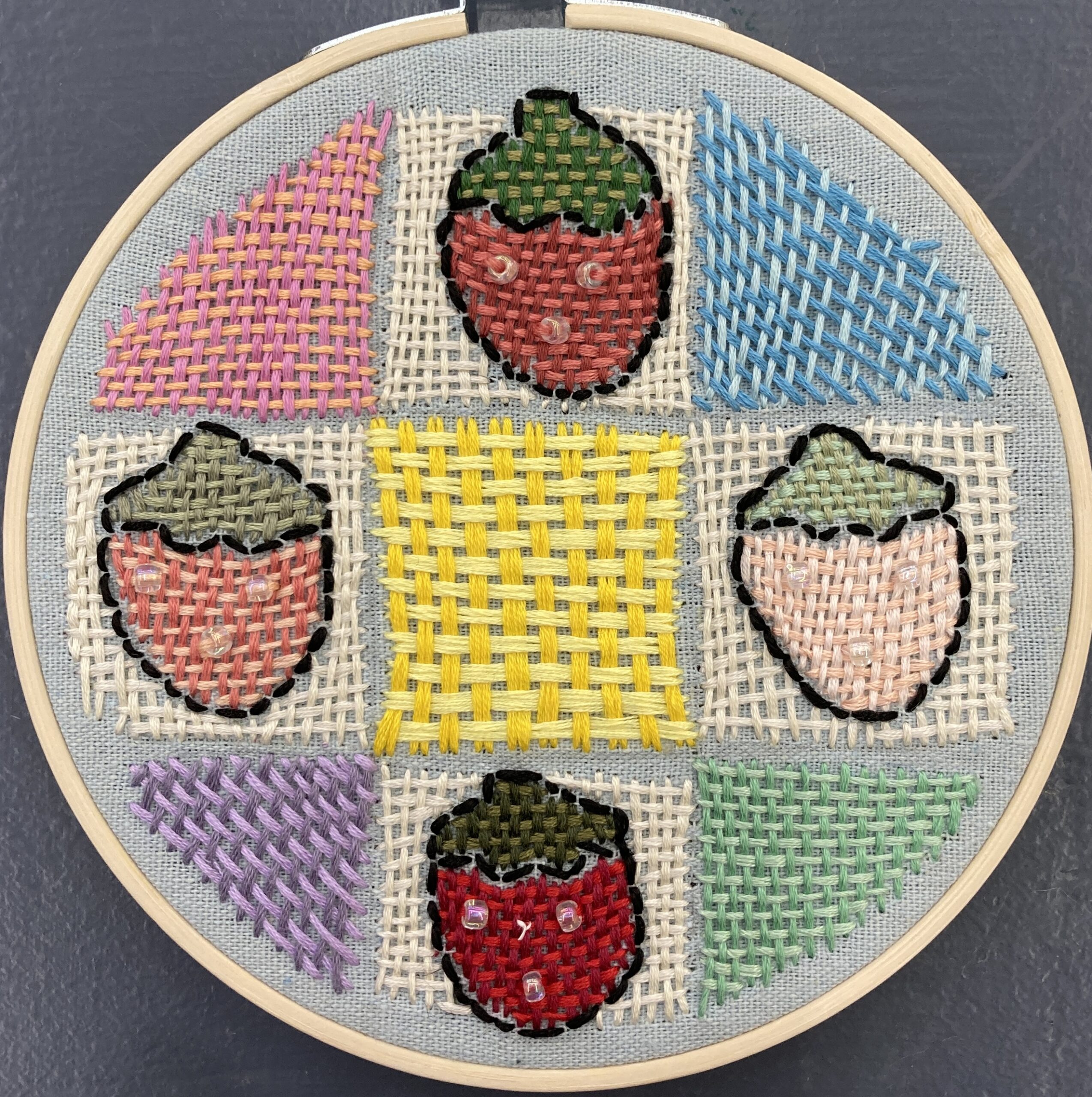
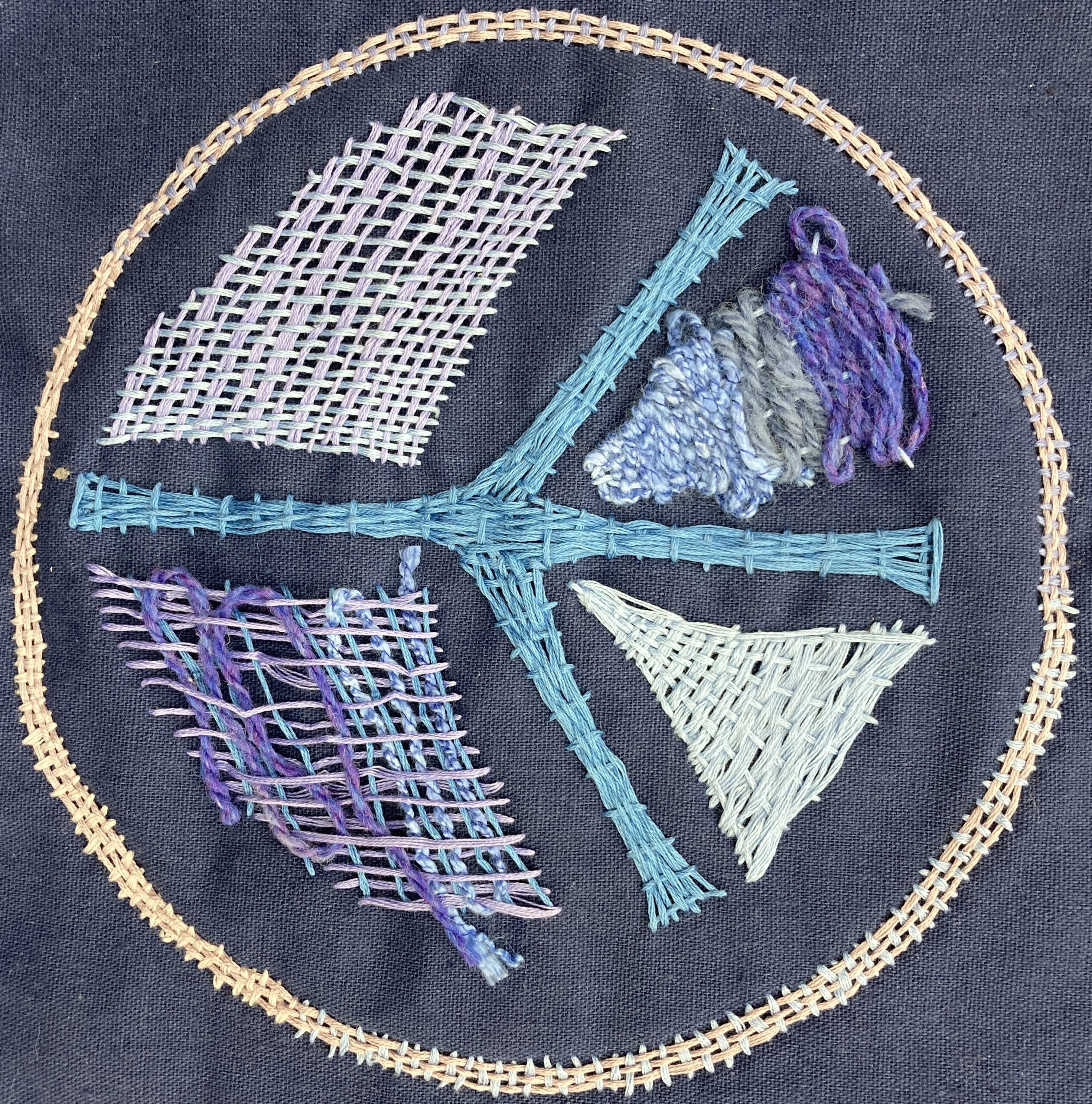
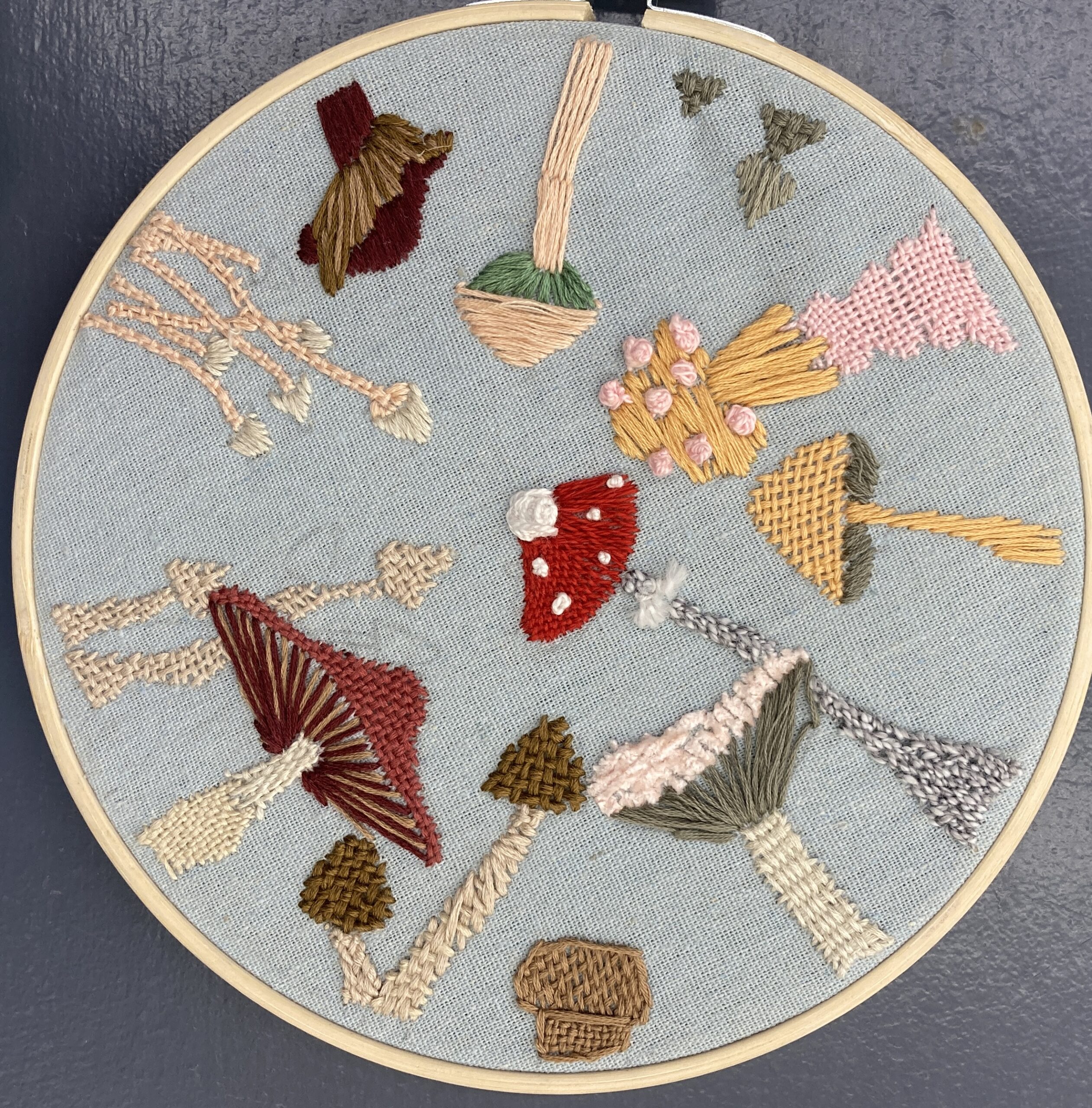
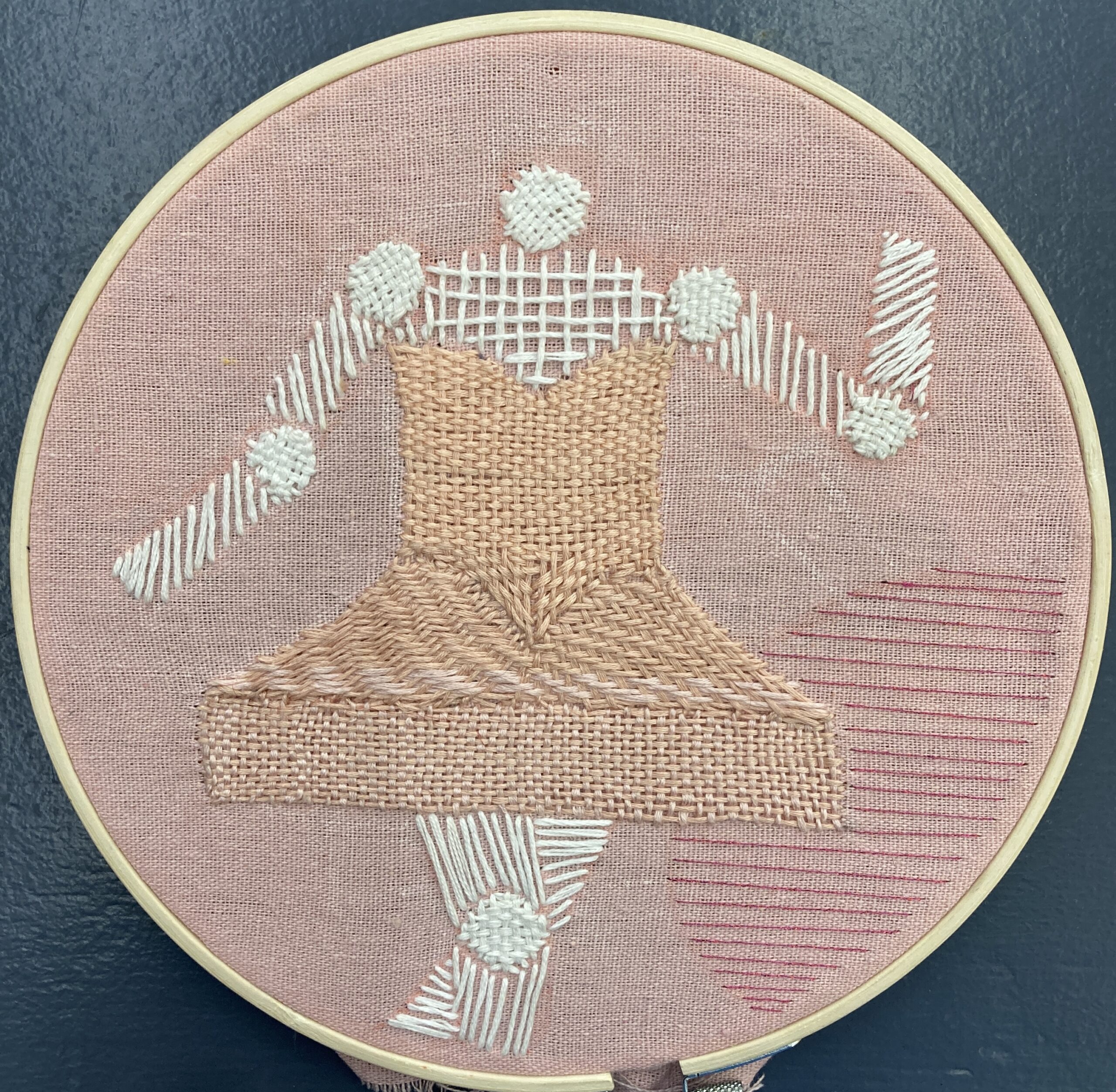
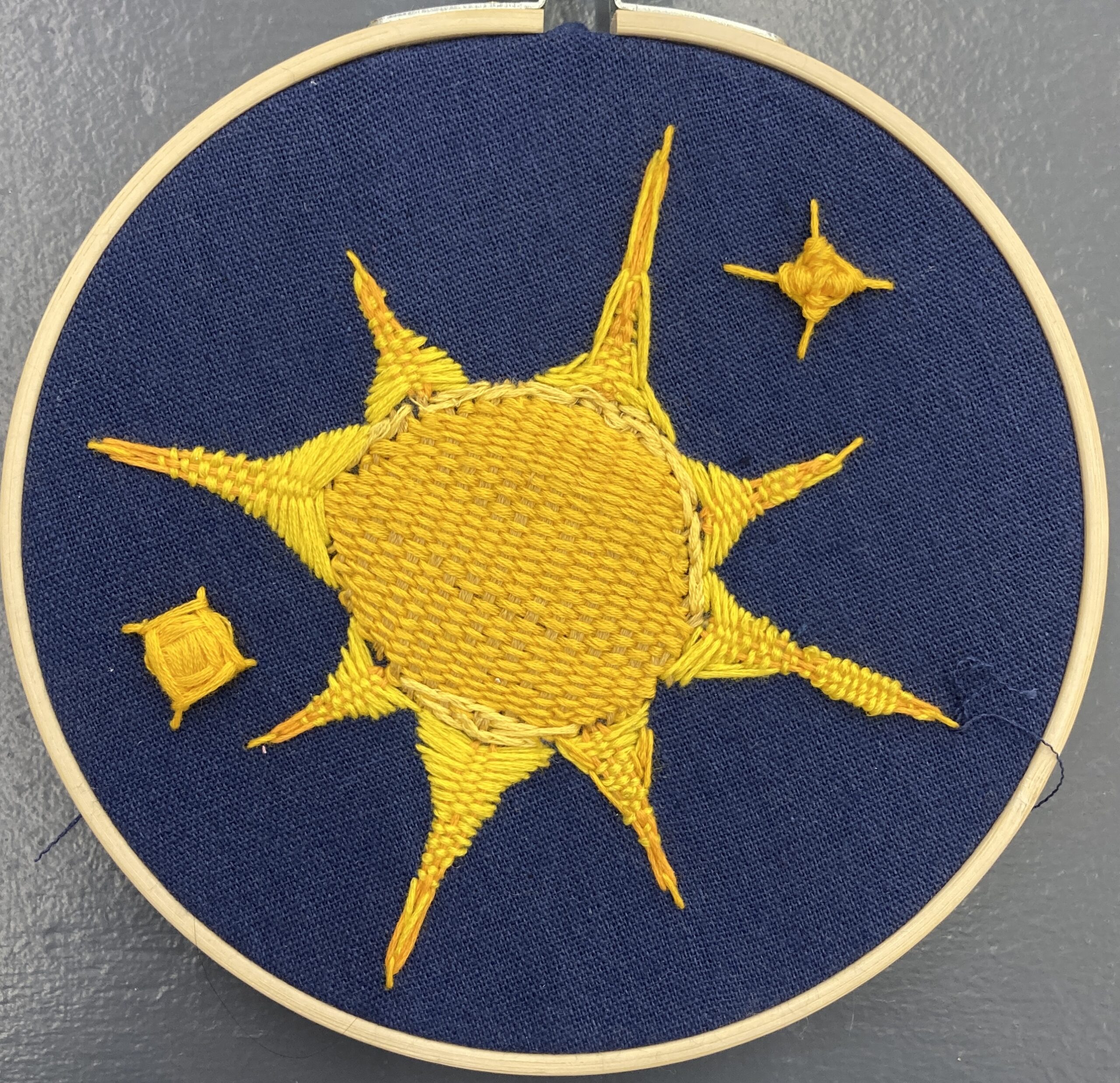
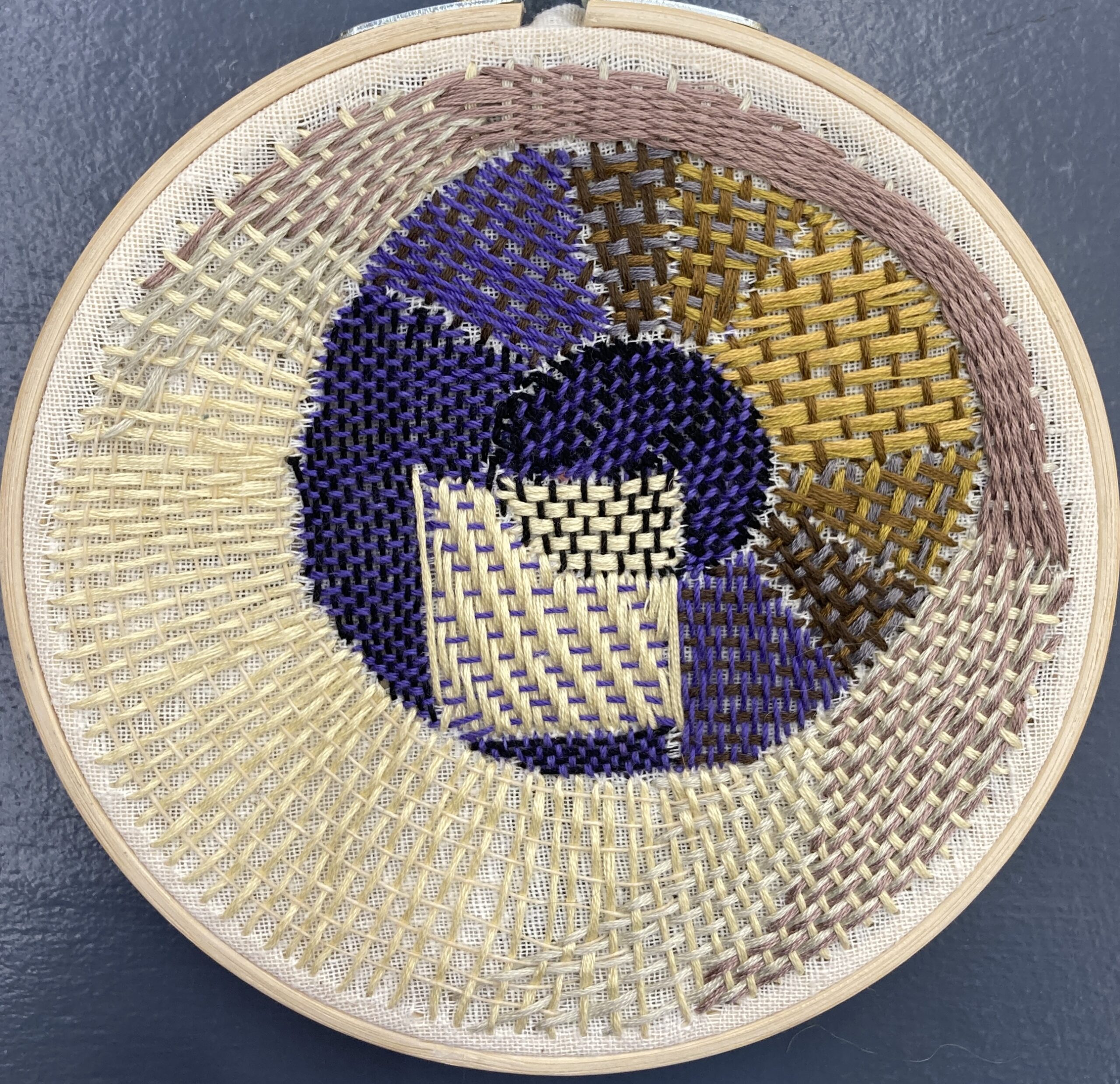
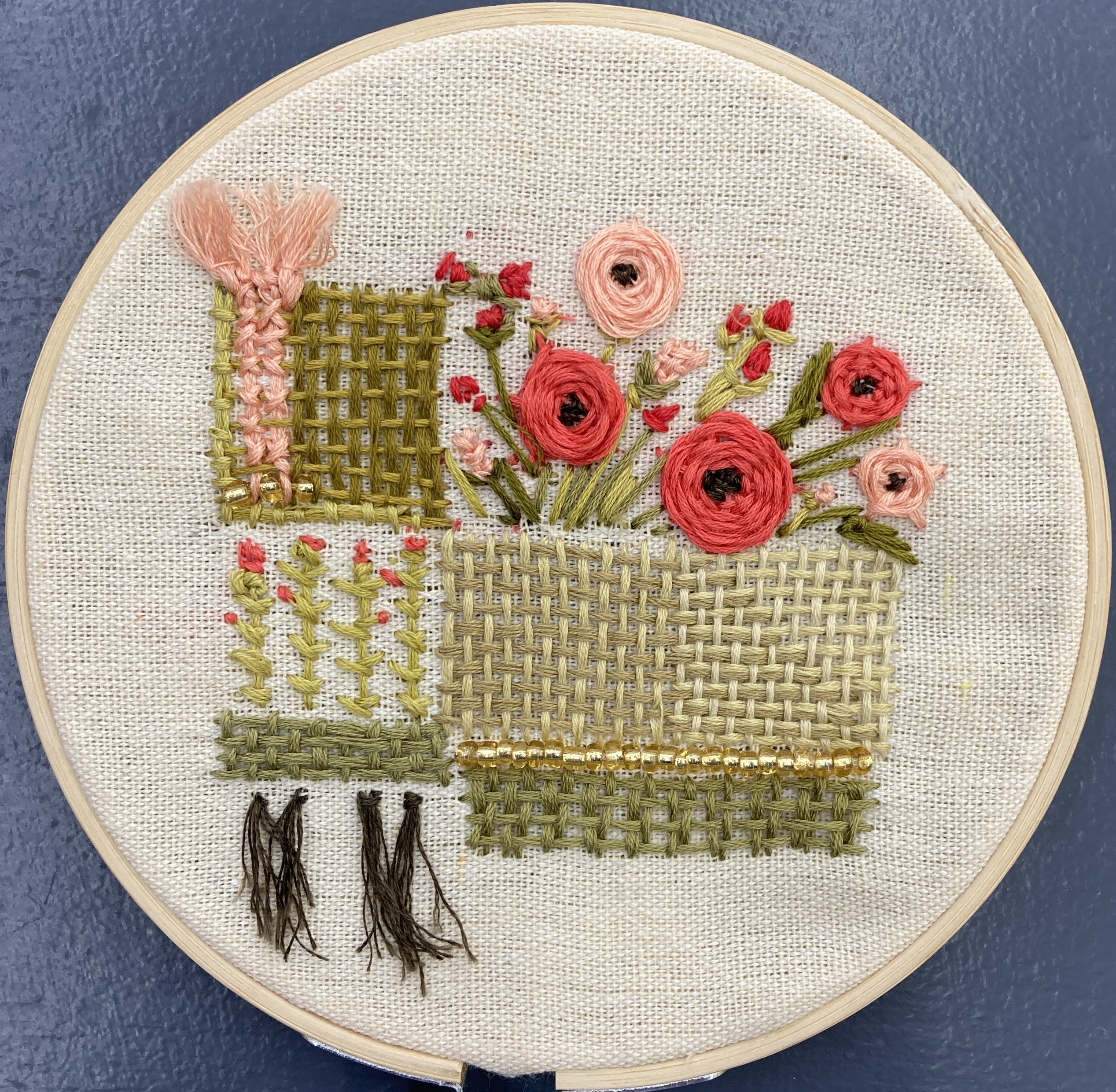
Students were taught to weave on the multi-harness floor loom, including loom setup, weave drafting, and an introduction to basic and complex woven cloth constructions. Additional studio exploration and projects were undertaken using off-loom weaving techniques such as rigid heddle weaving, stick weaving, basketry, macramé, and netting, as well as a collaborative weaving project focused on sustainability. The work of traditional and contemporary weavers, fiber artists, and designers was discussed.
Learning Outcomes:
1. Learn the basic steps of setting up a floor loom for weaving cloth.
2. Develop an understanding of the mechanics of various weaving/fiber equipment
3. Learn how to draft basic weave structures for woven cloth.
4. Understand the characteristics of various fibers and materials.
5. Explore color studies through weaving and fiber.
6. Gain knowledge of various fiber techniques through demos and exercises off loom.
7. Explore an expressive path through material, technique and concept.
8. Learn about the work of weavers, fiber artists and textile designers.
9. Build connections and gain inspiration through group discussions, collaboration & critiques.
3D Foundation Form and Space
Fall 2024- Spring 2026
This course introduces the fundamentals of three-dimensional art and design through hands-on projects and critical exploration. Students will experiment with a range of techniques, approaches, and concepts while working with traditional and nontraditional materials to build technical skills and problem-solving abilities. Emphasis is placed on curiosity, risk-taking, and experimentation as essential to creative practice, with the goal of expanding traditional
understandings of three-dimensional work into personal and collective modes of making and discovery in four different projects:
• Line
• Plane
• Volume
• Body
Line Project
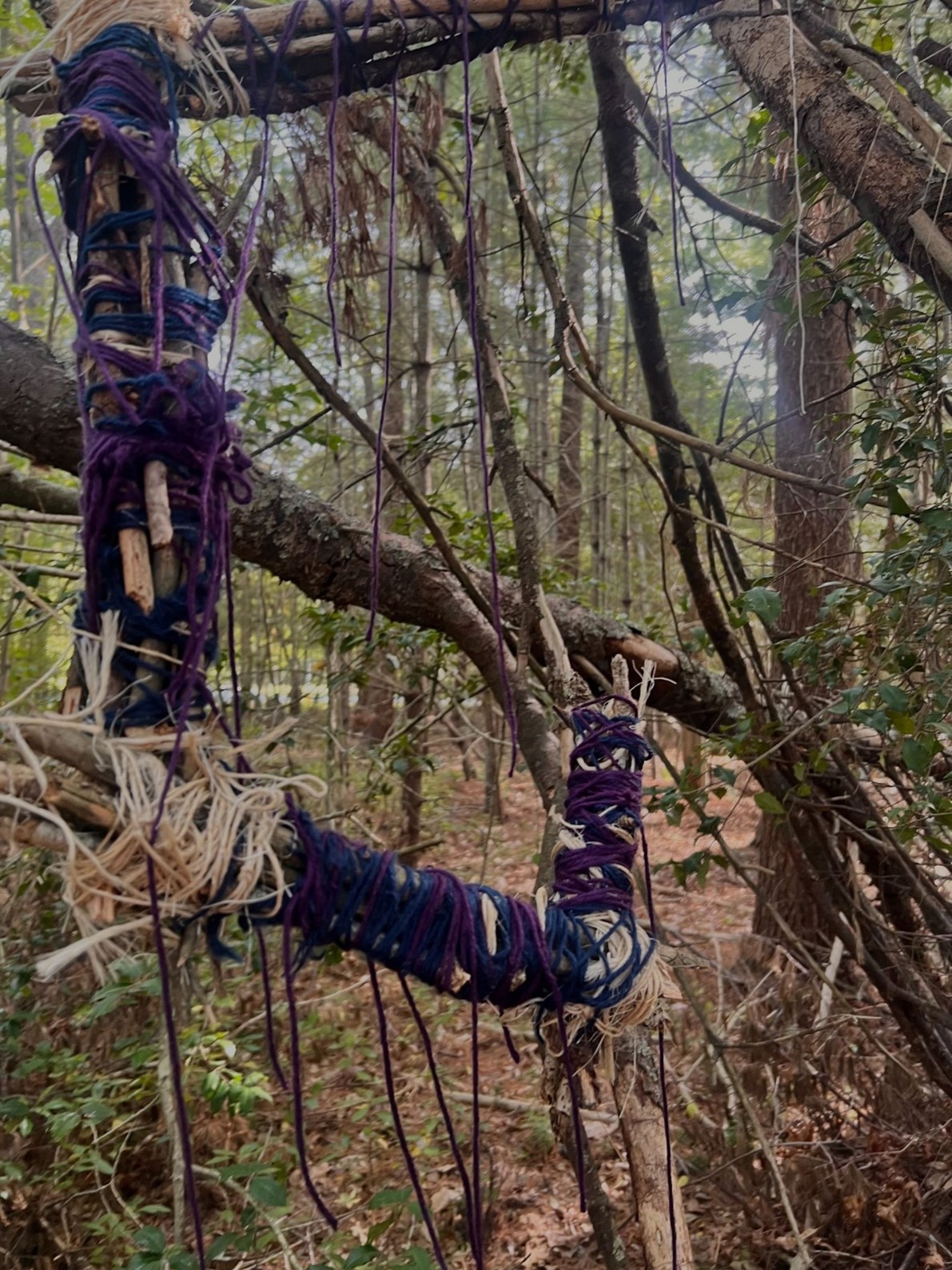
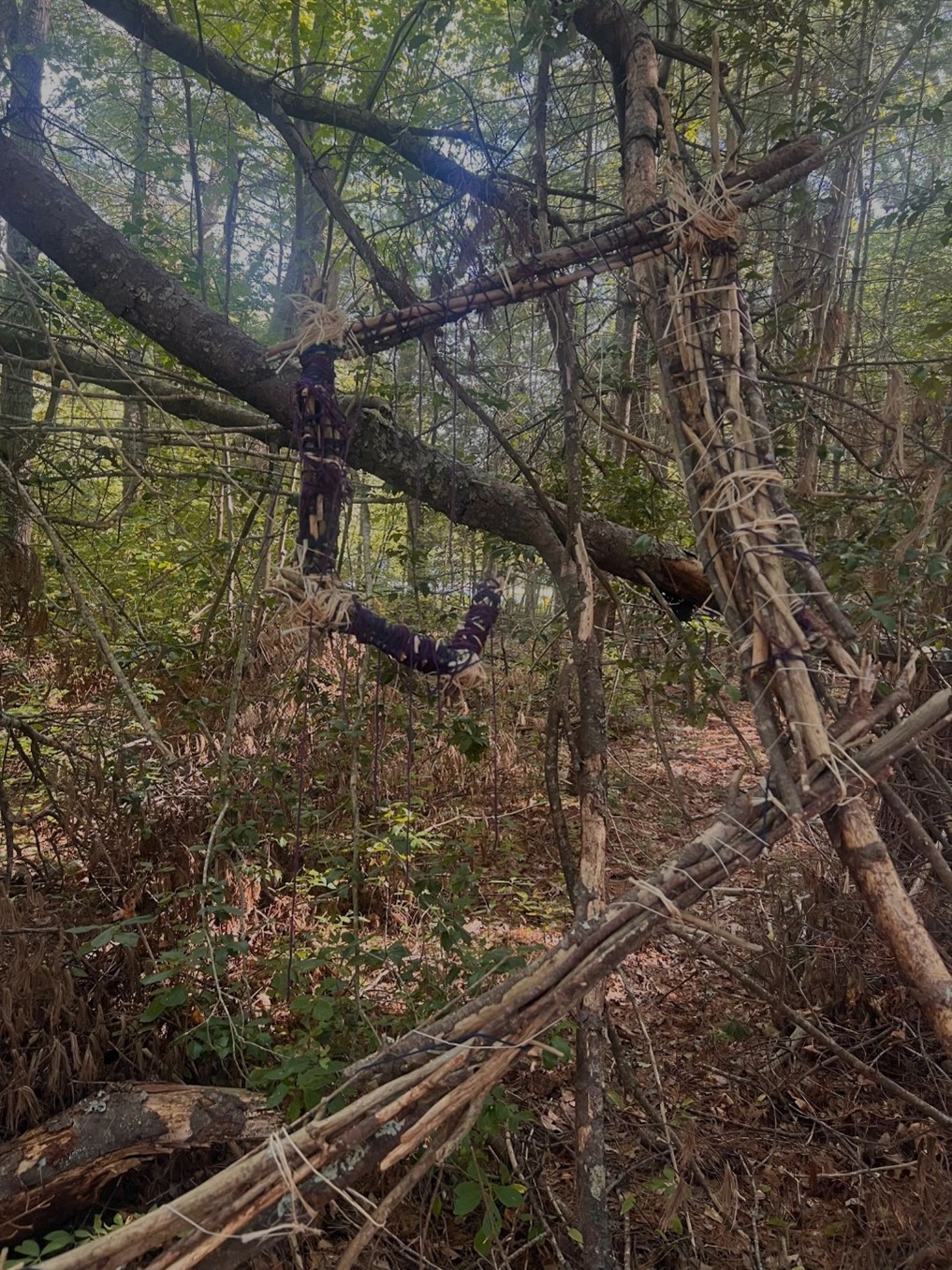
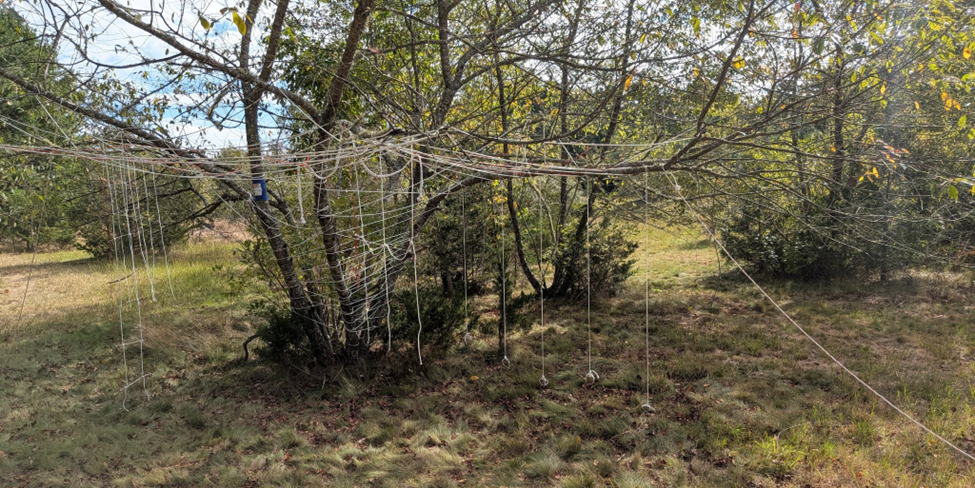
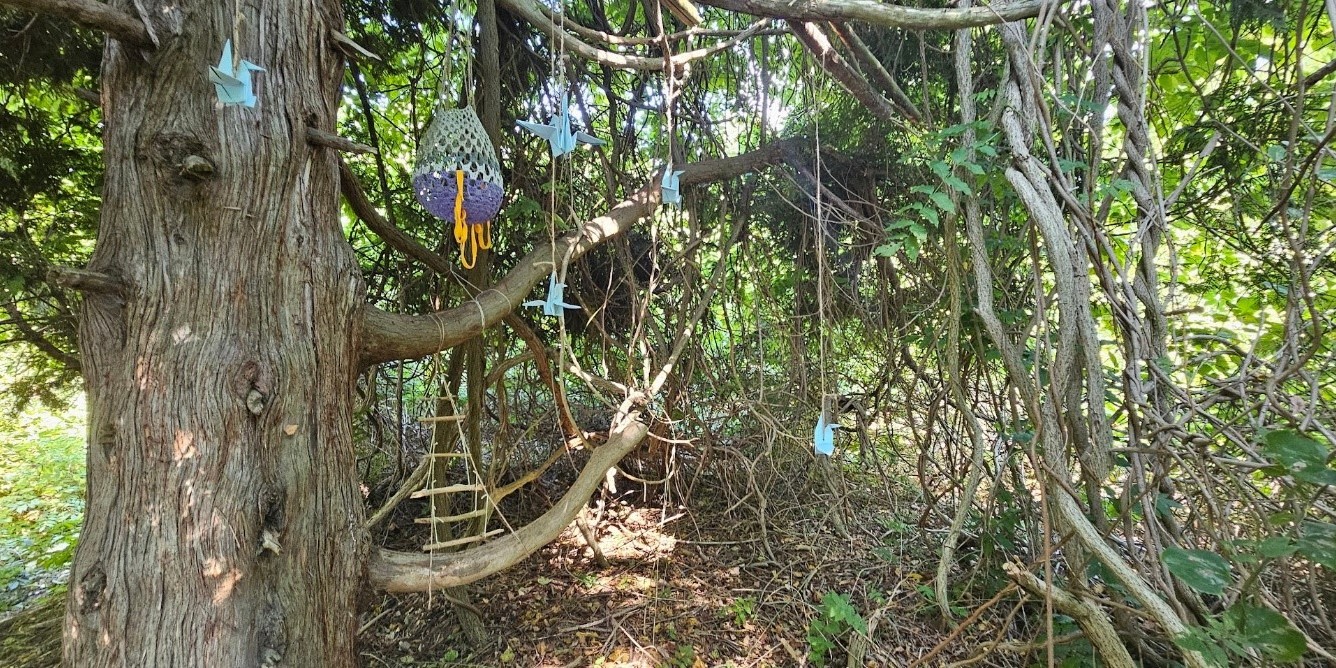
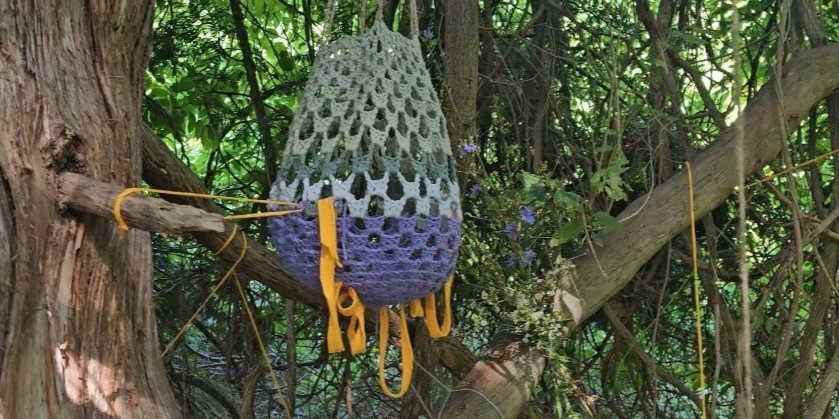
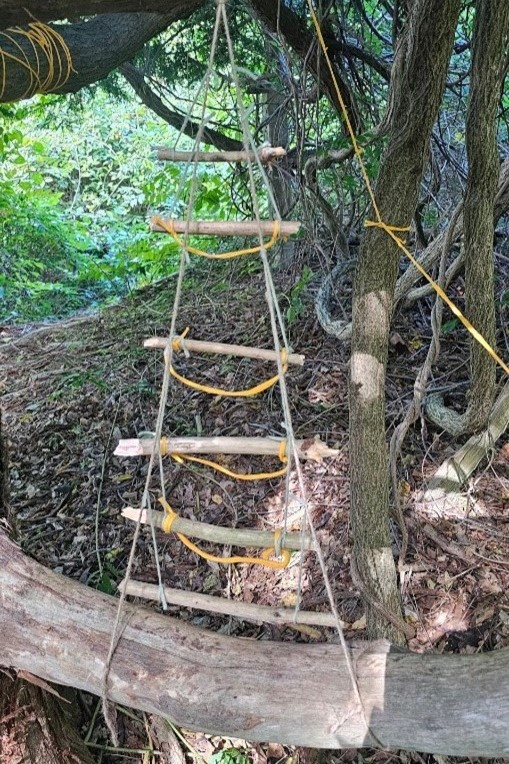
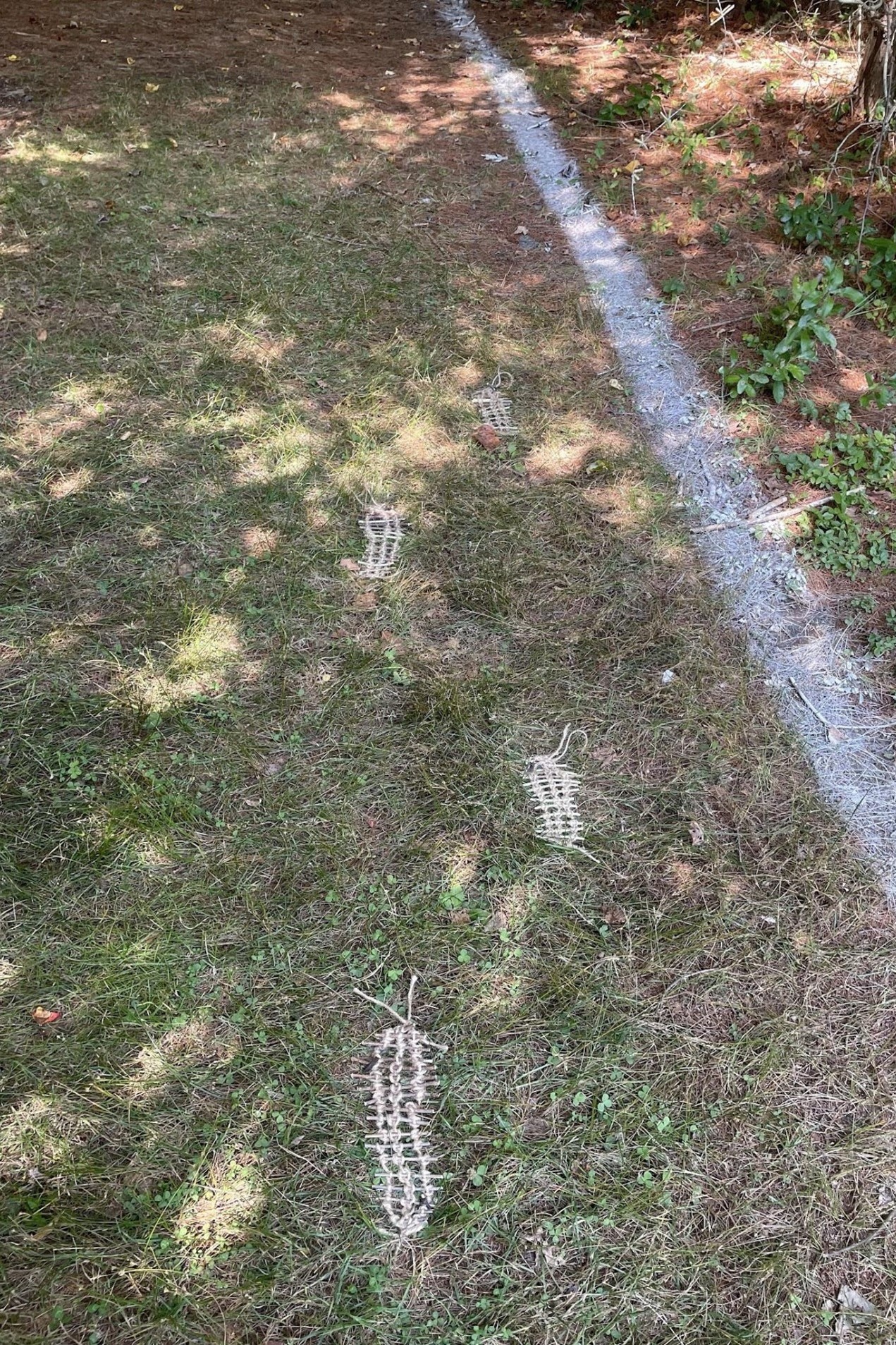
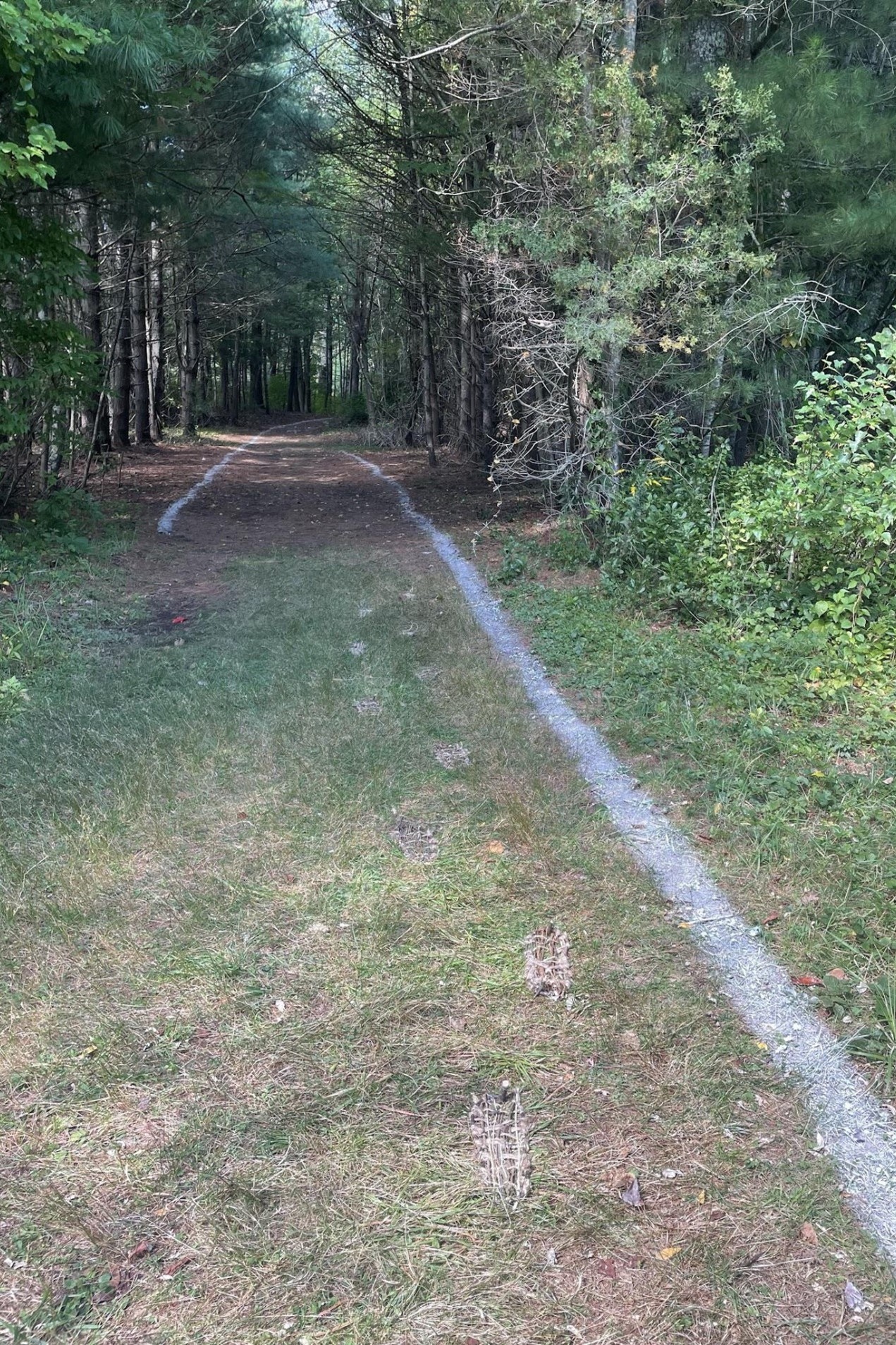
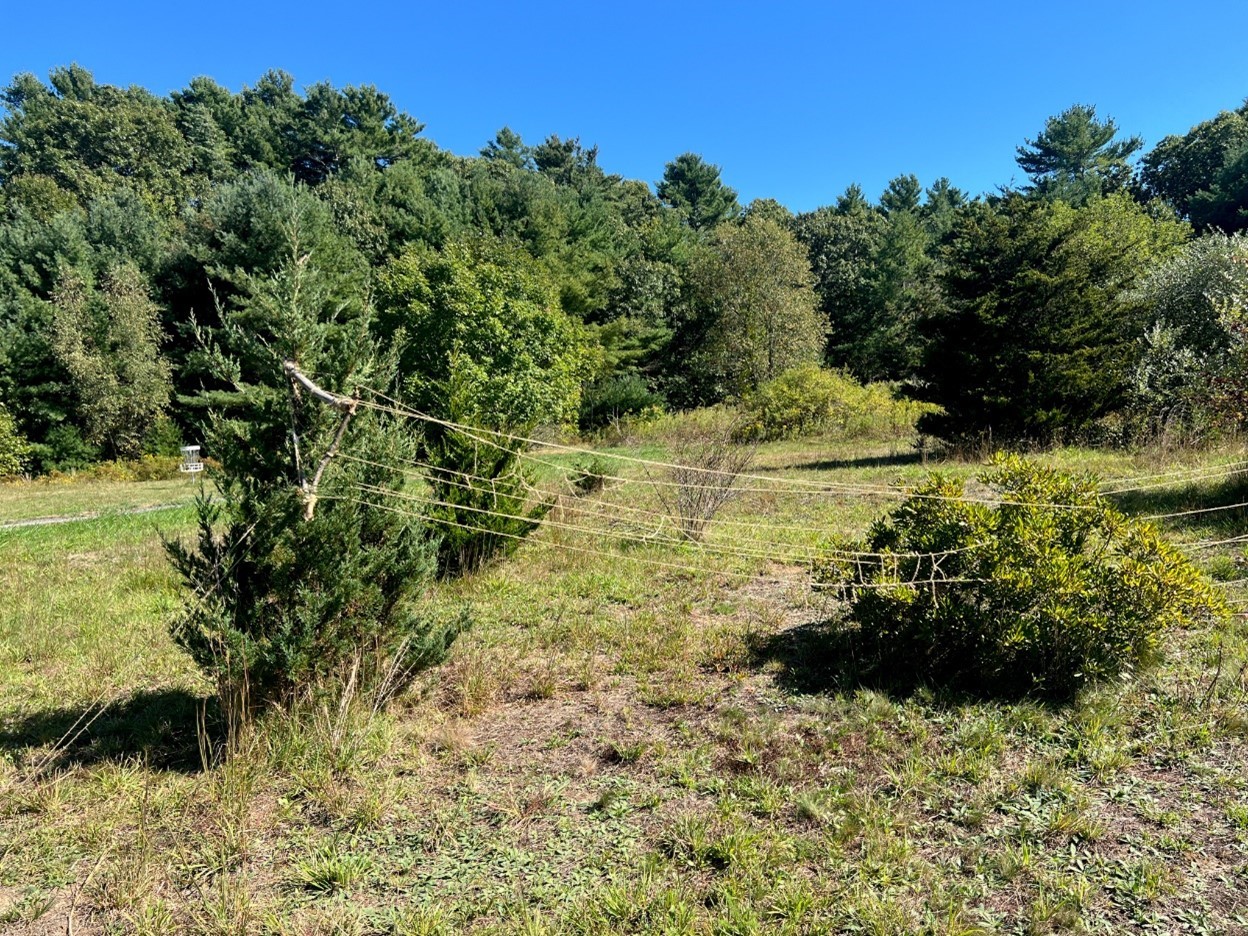
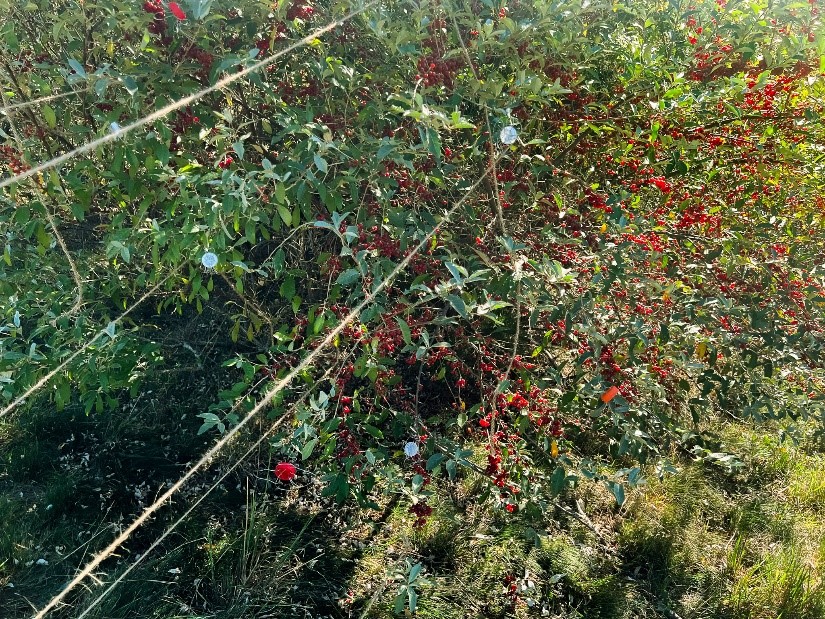
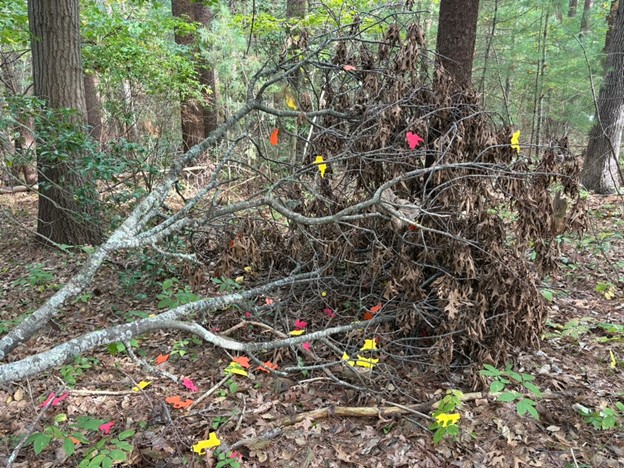
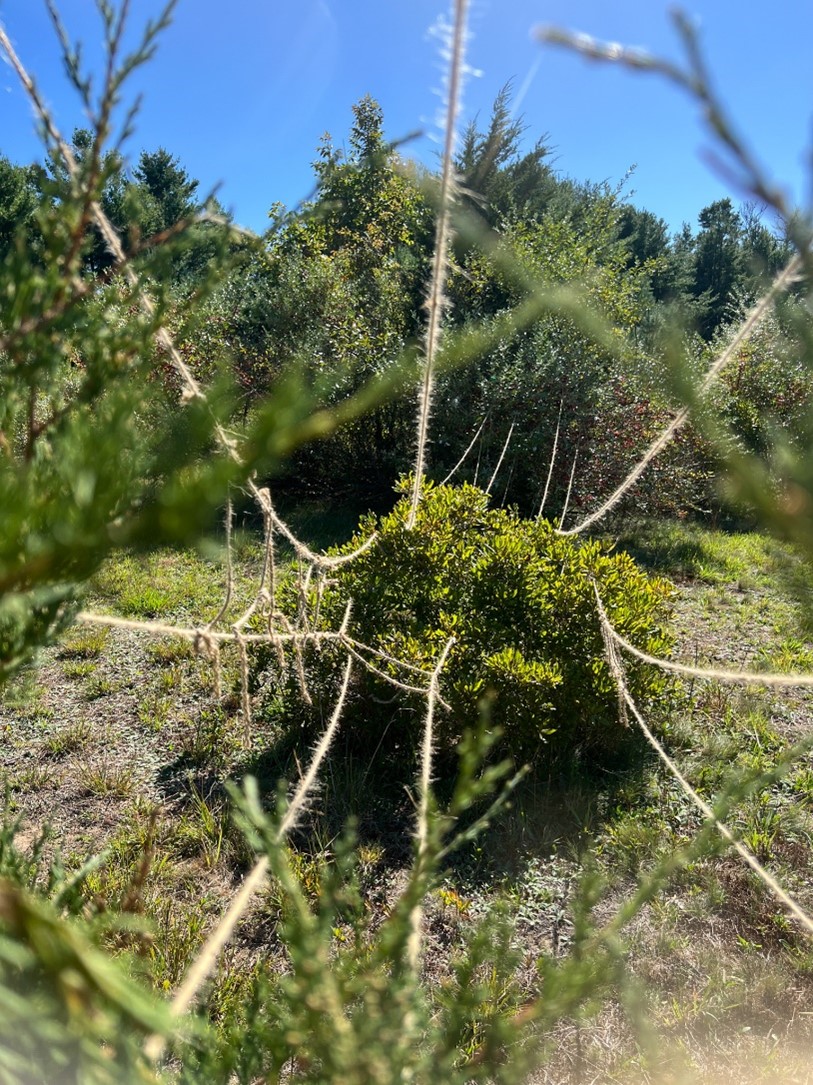
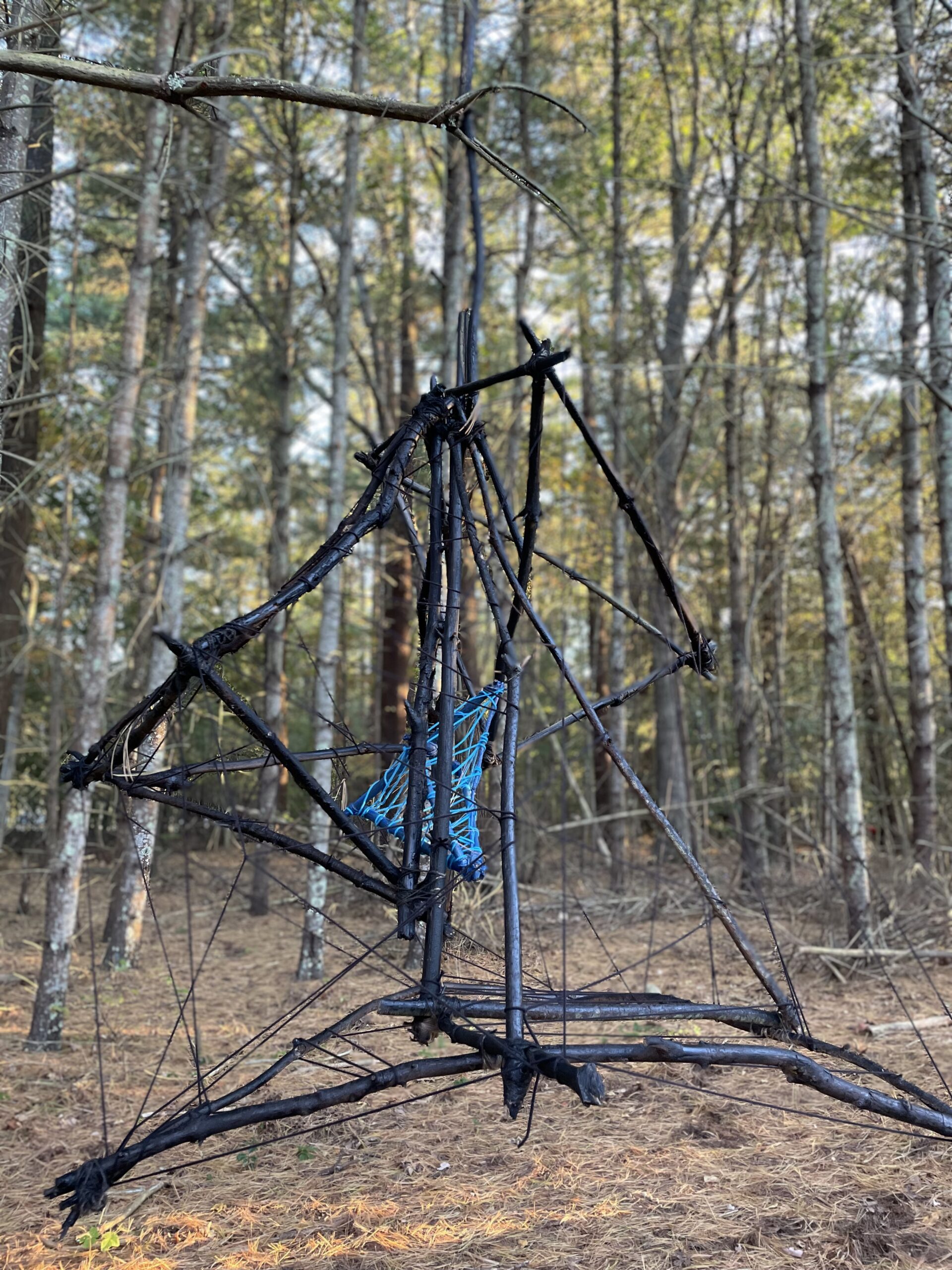
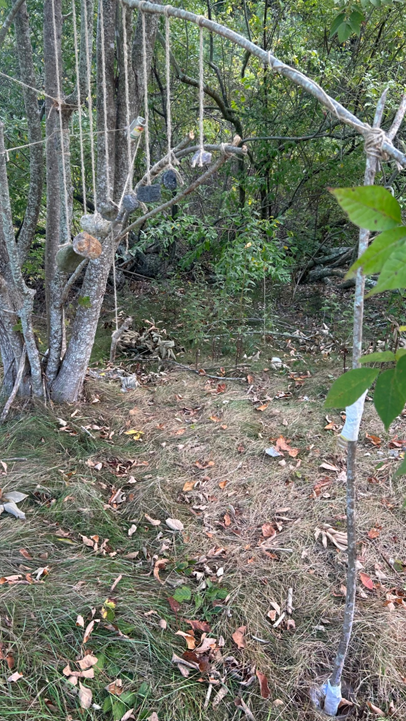
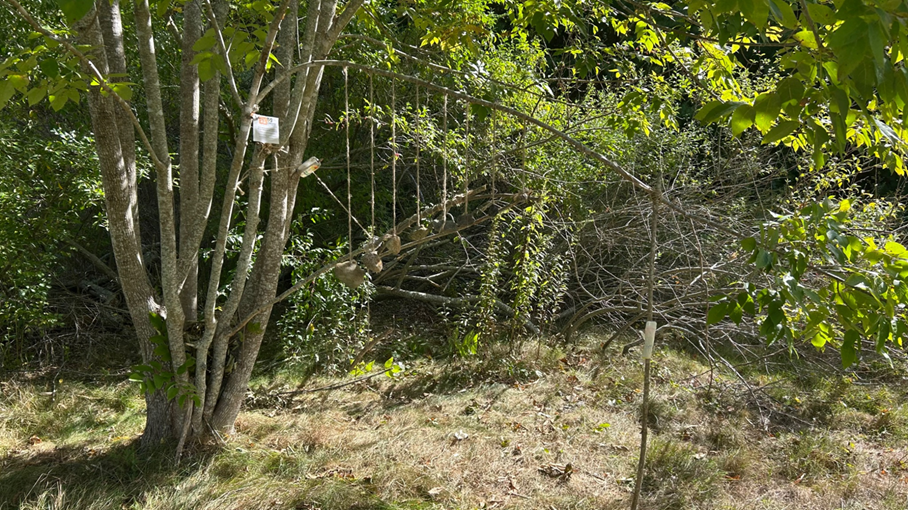
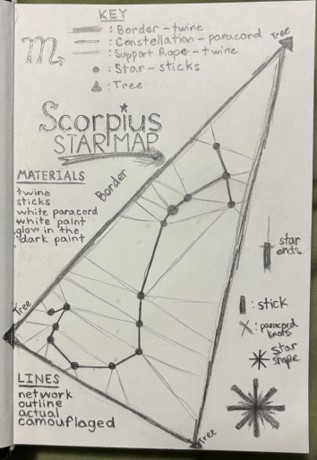
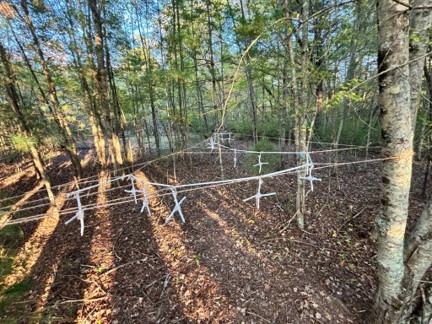
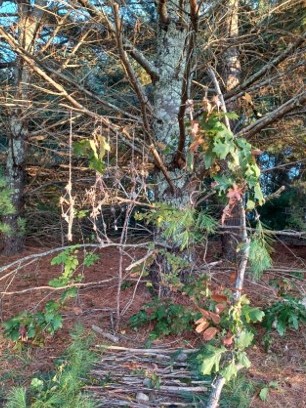
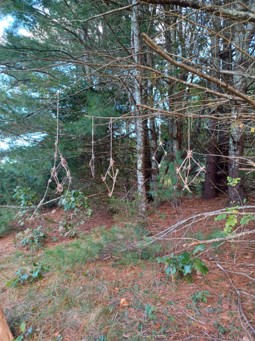
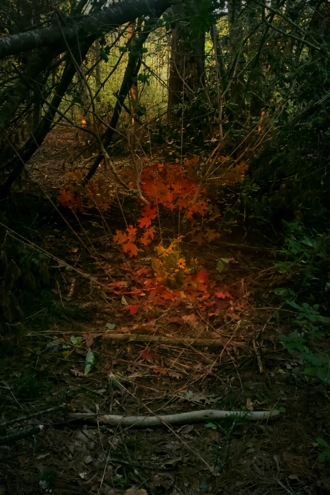
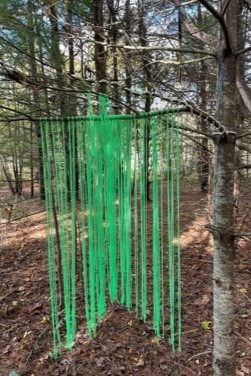
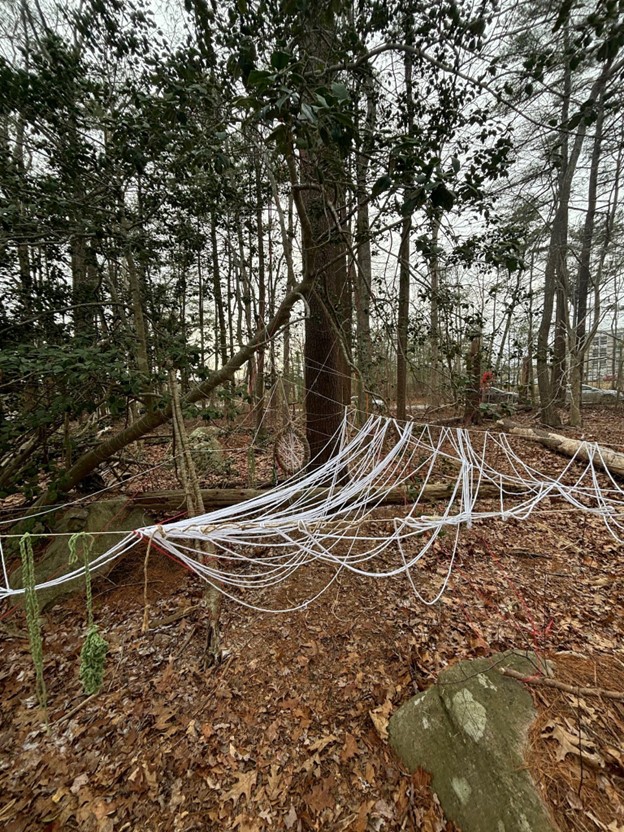
Introducing site specific installation art and theory of being lost making an experimental installation:
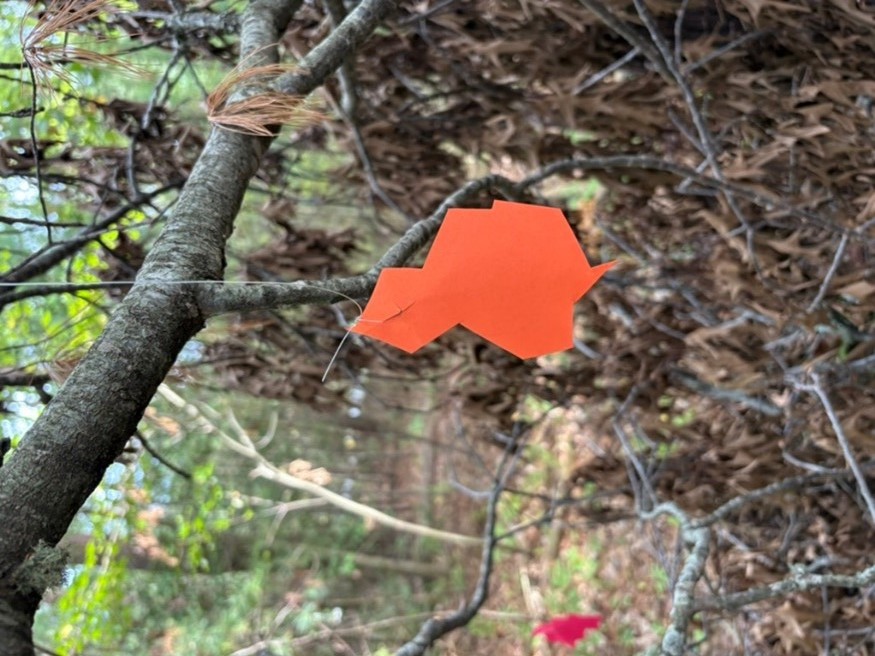
Make a site-specific sculptural intervention line piece. Combine a line with 1 material sourced from the surroundings through “harvesting from place.” Criteria:
• Use at least 100 feet or more of material.
• Use at least 4 different kinds of conceptual lines. Refer to our glossary below. Steal!
• Use at least 2 methods of binding from our demos.
• Use 1 salvaged/scavenged material from your site to integrate into the work.
• Use at least 1 material in a way that is different from its intended purpose
Plane Project
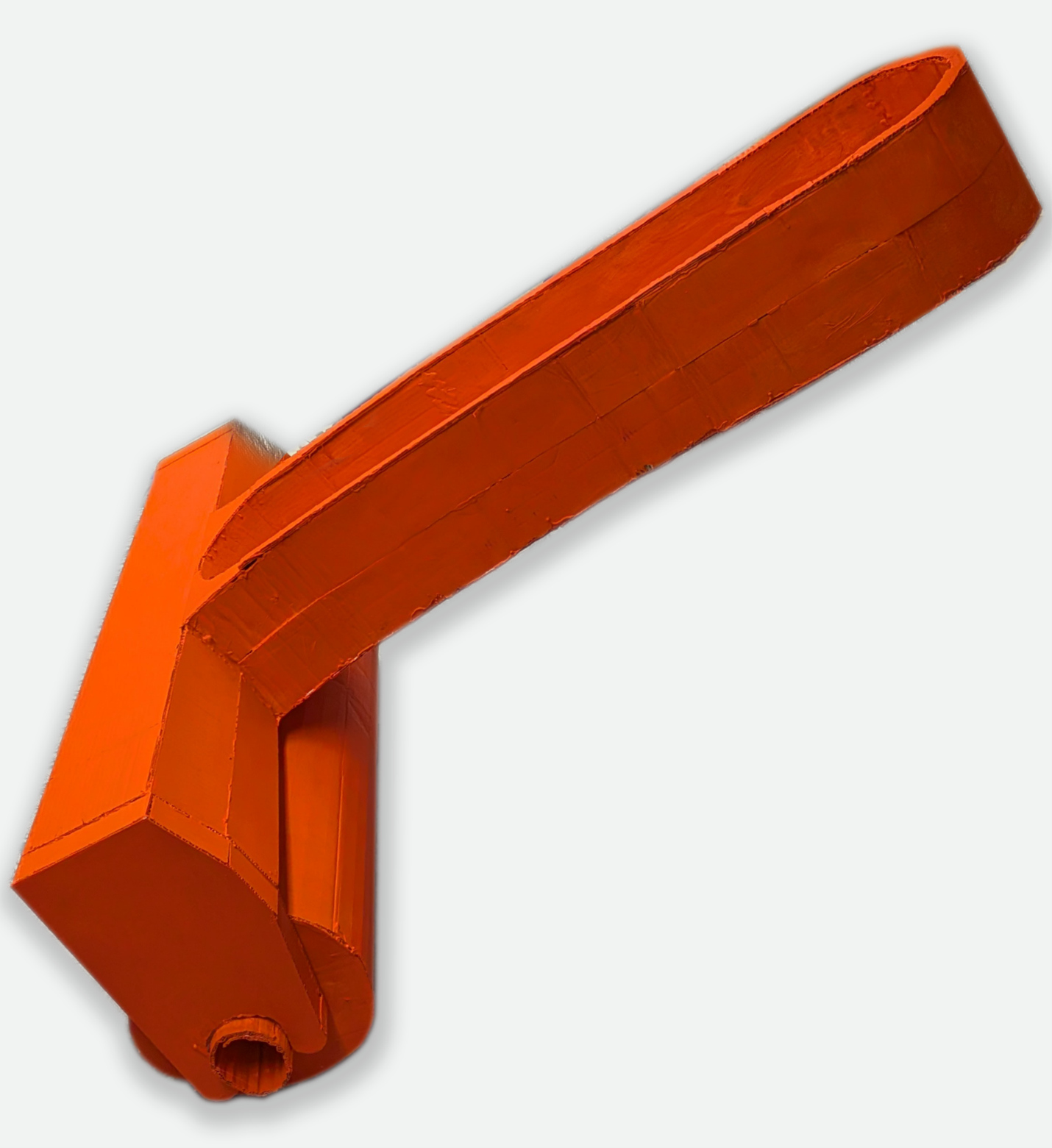
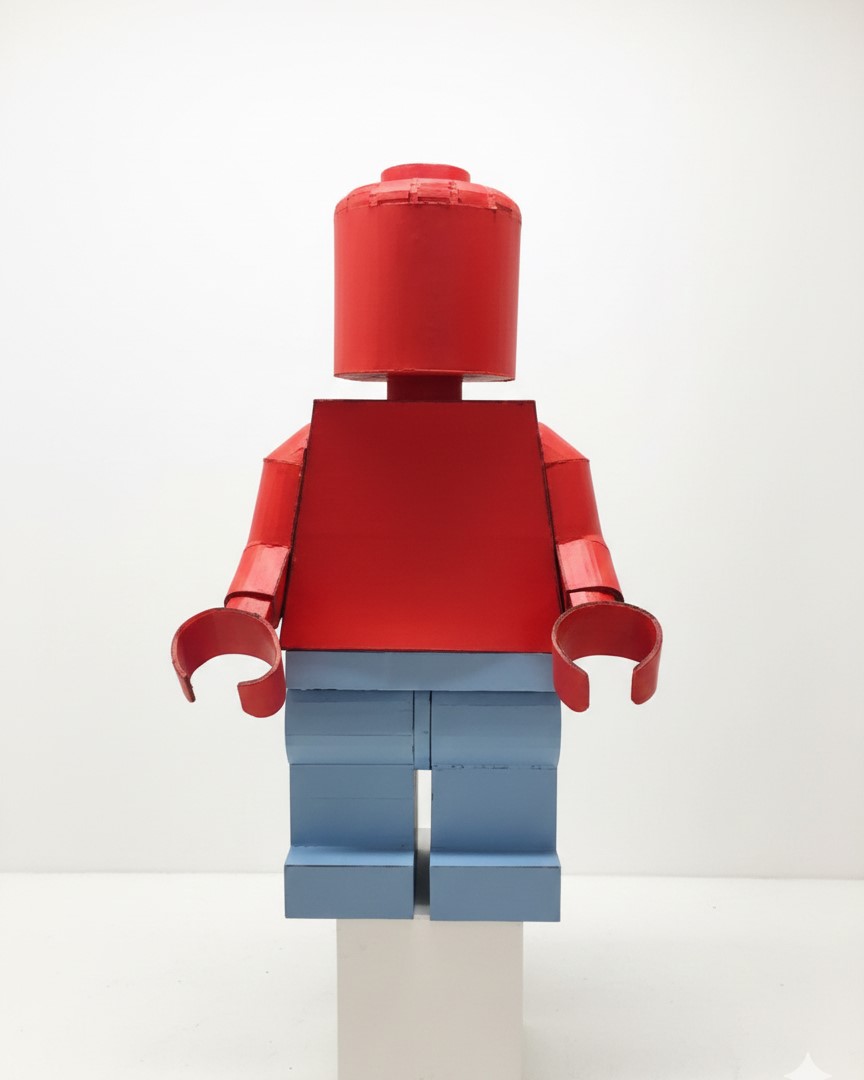
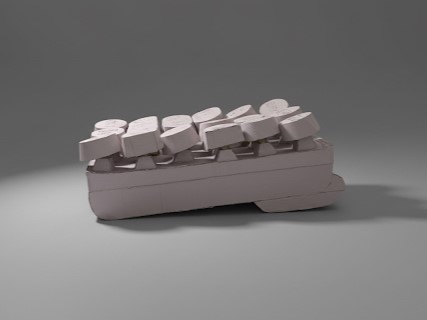
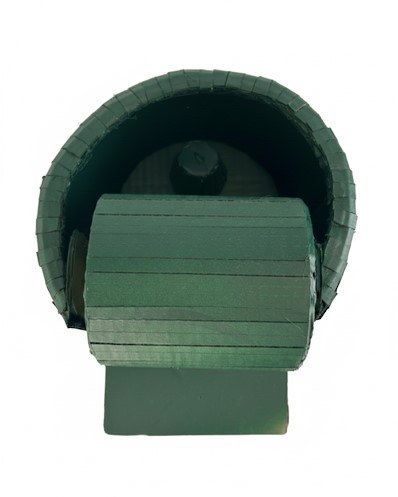
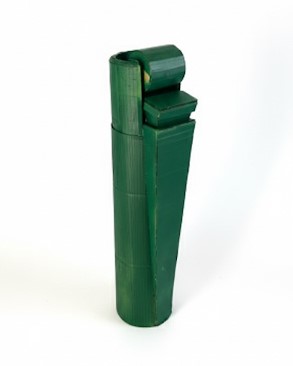
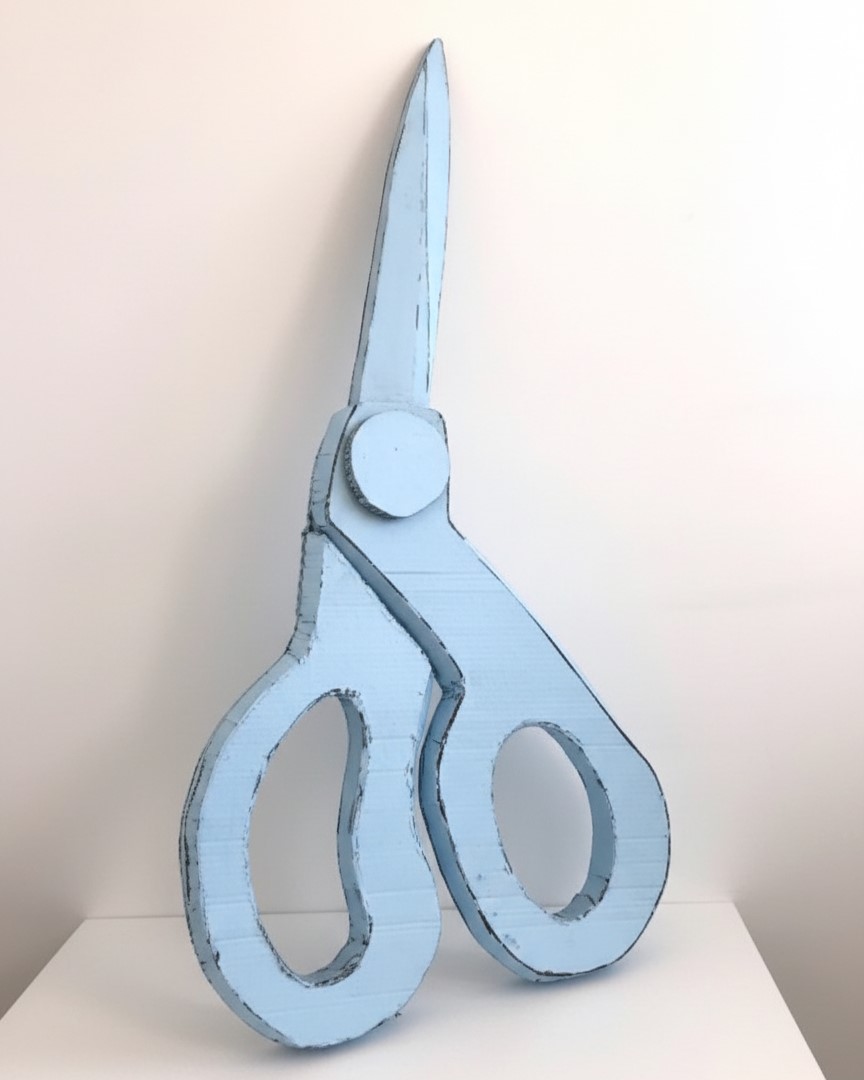
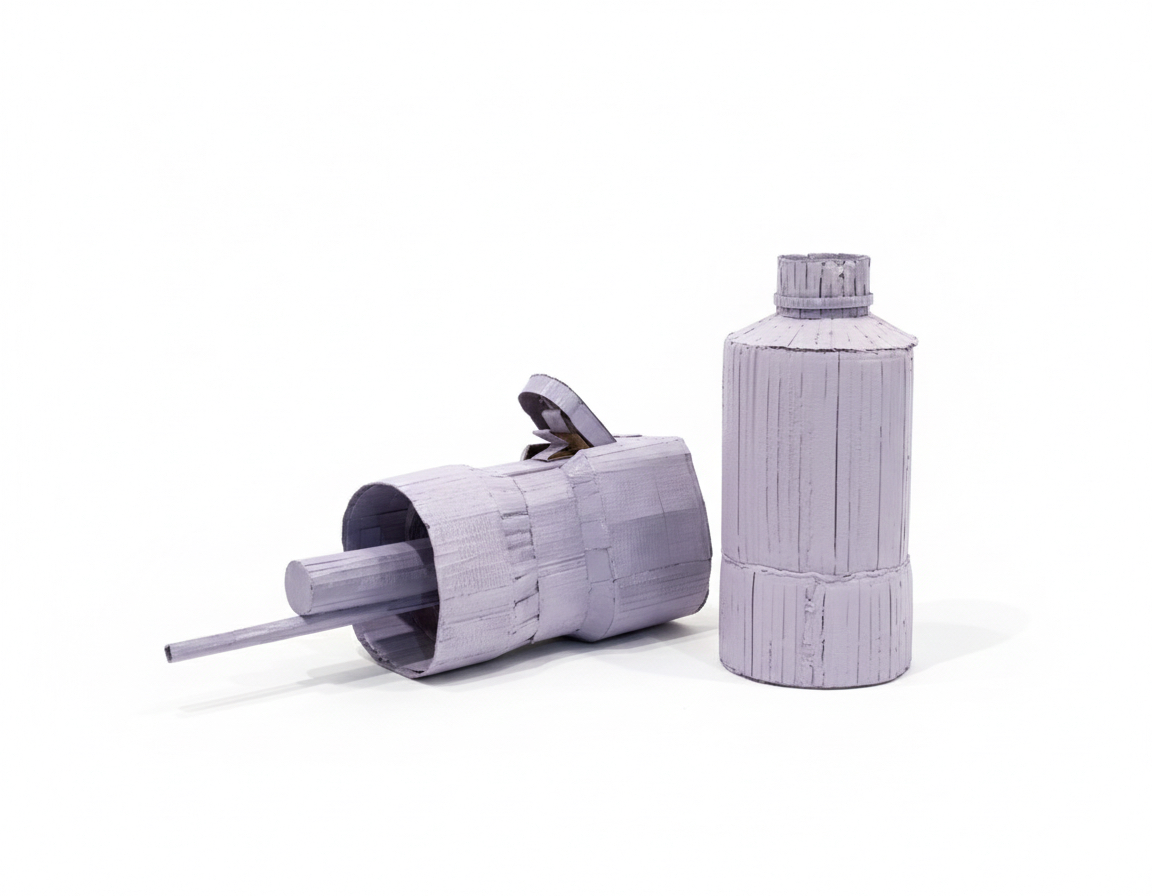
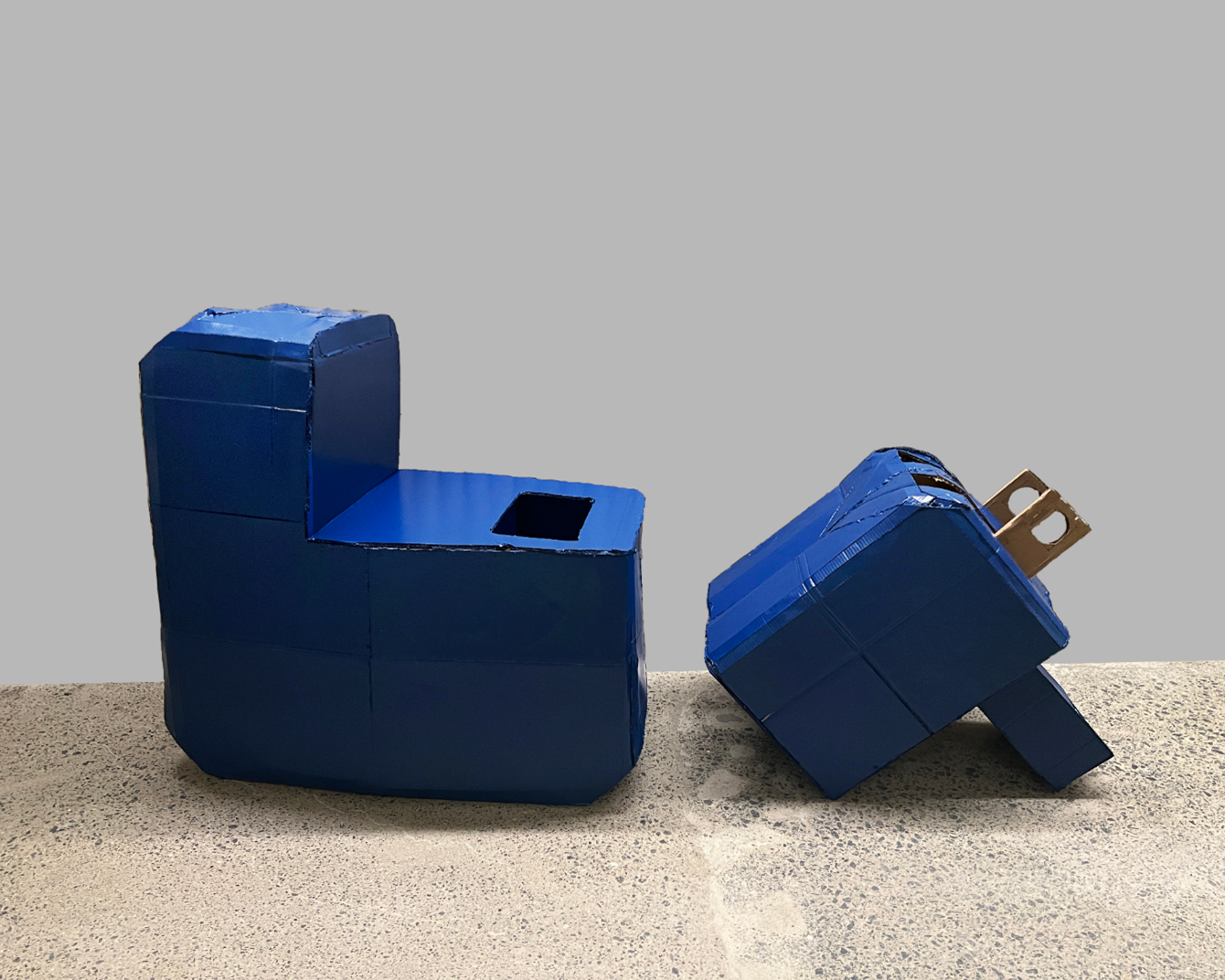
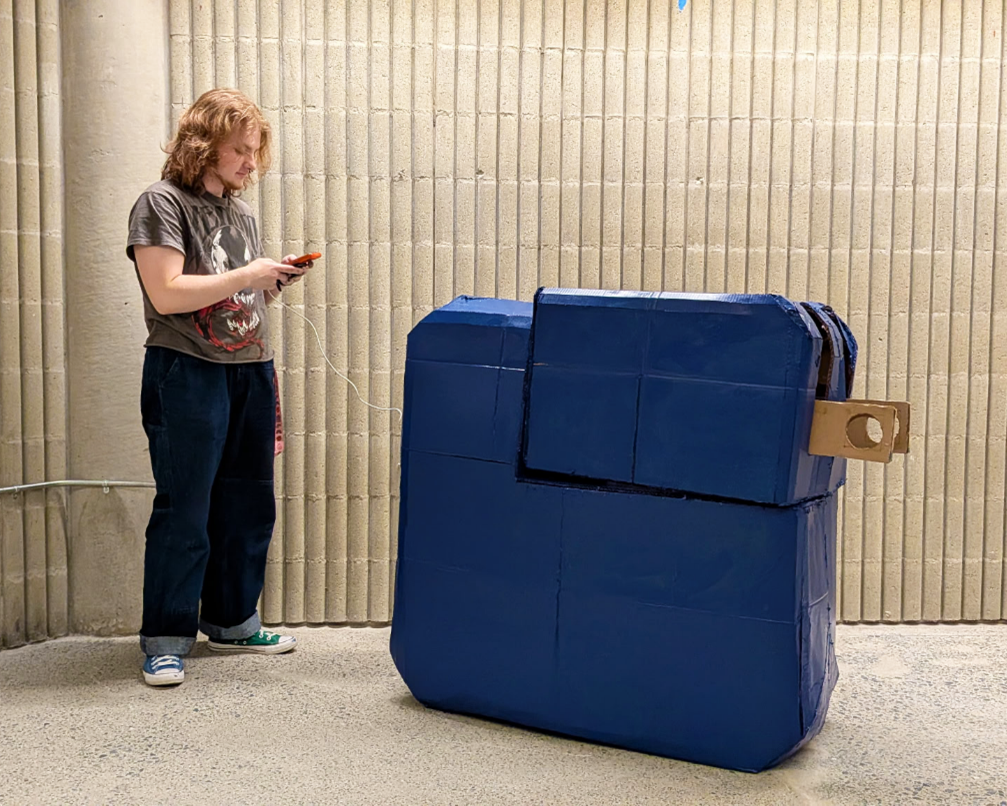
Recreate a common object using a planear material: cardboard. Enlarge the object to at least 36 inches in one direction. Paint your final cardboard enlargement with a monochrome surface treatment.
learning outcomes:
• Understanding of Plane: a flat surface on which a straight line joining any two points on it would wholly lie.
• Mimesis consept: “imitation” (though in the sense of “re-presentation” rather than of “copying”)
• how to make working drawings.
• Use the working drawings to start construction in cardboard.
• How to construct in cardboard, and enlarge working drawings.
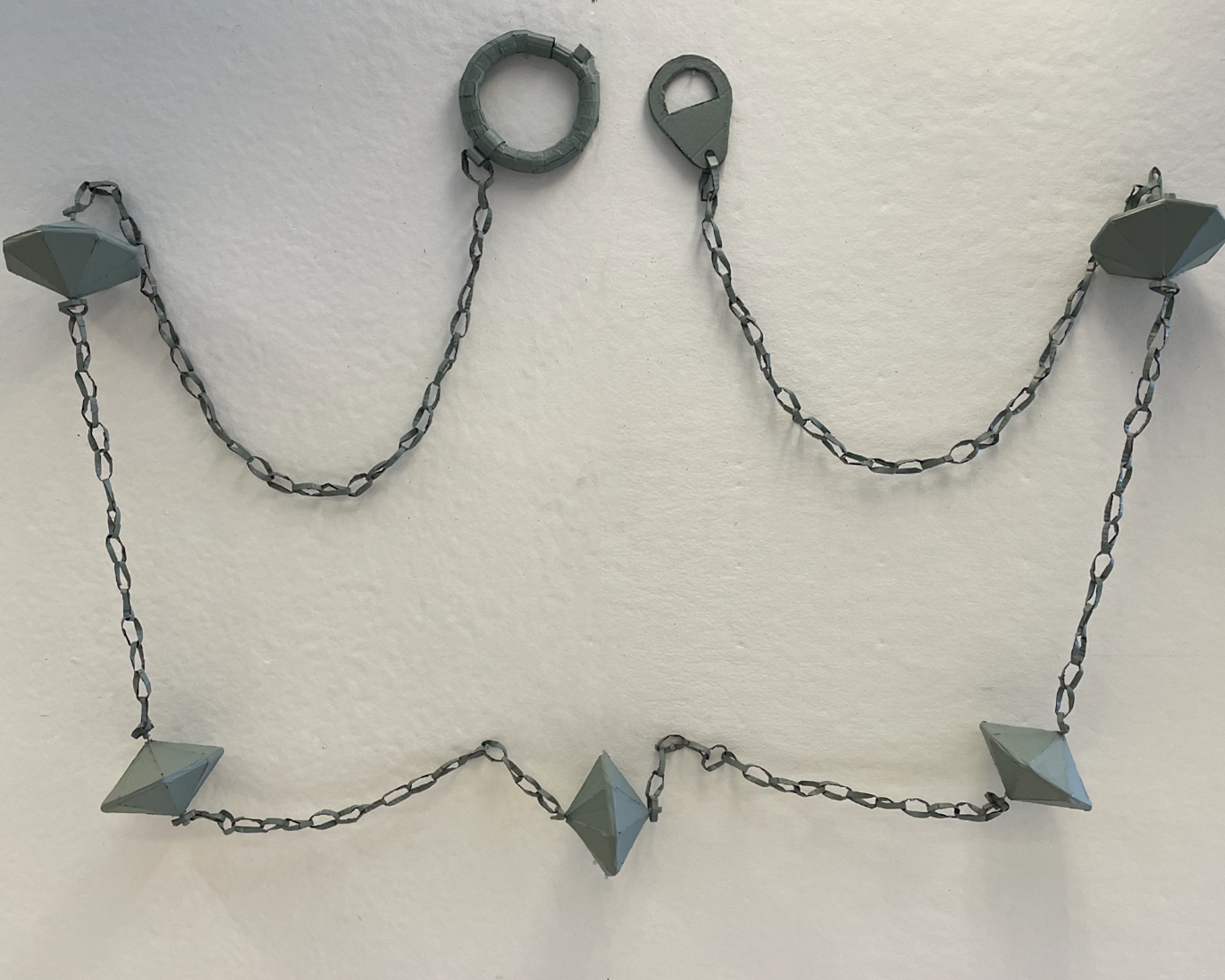
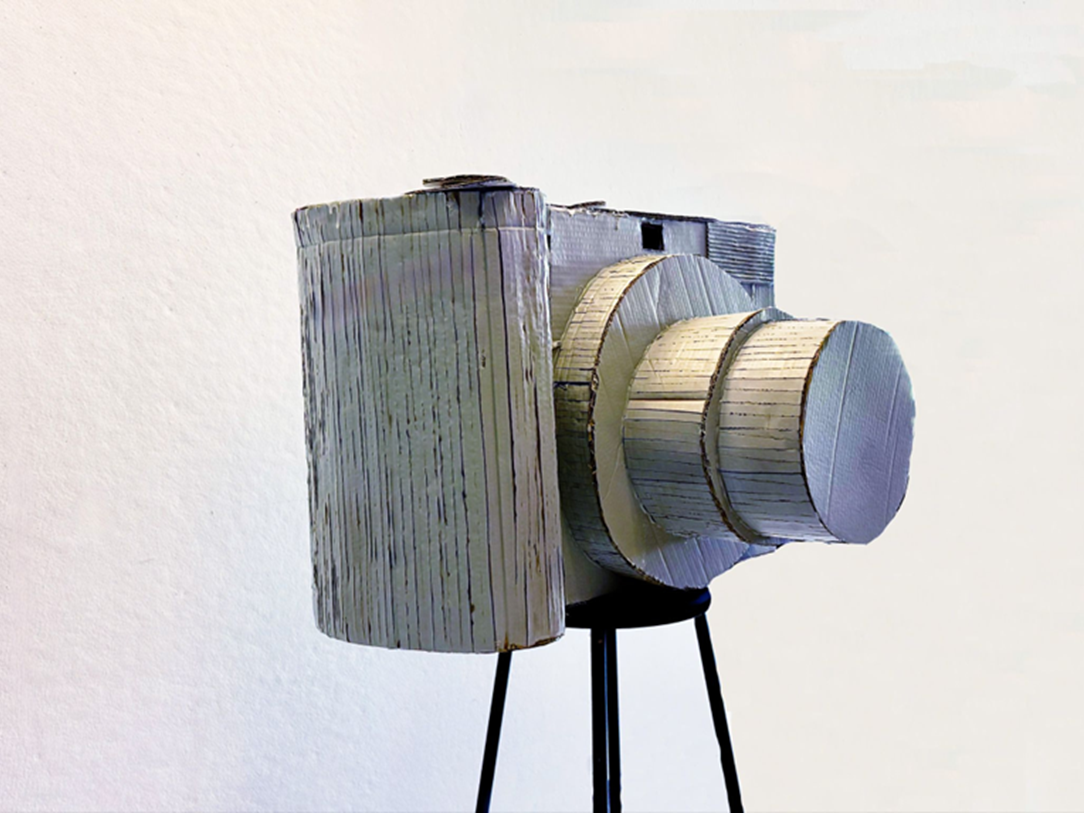
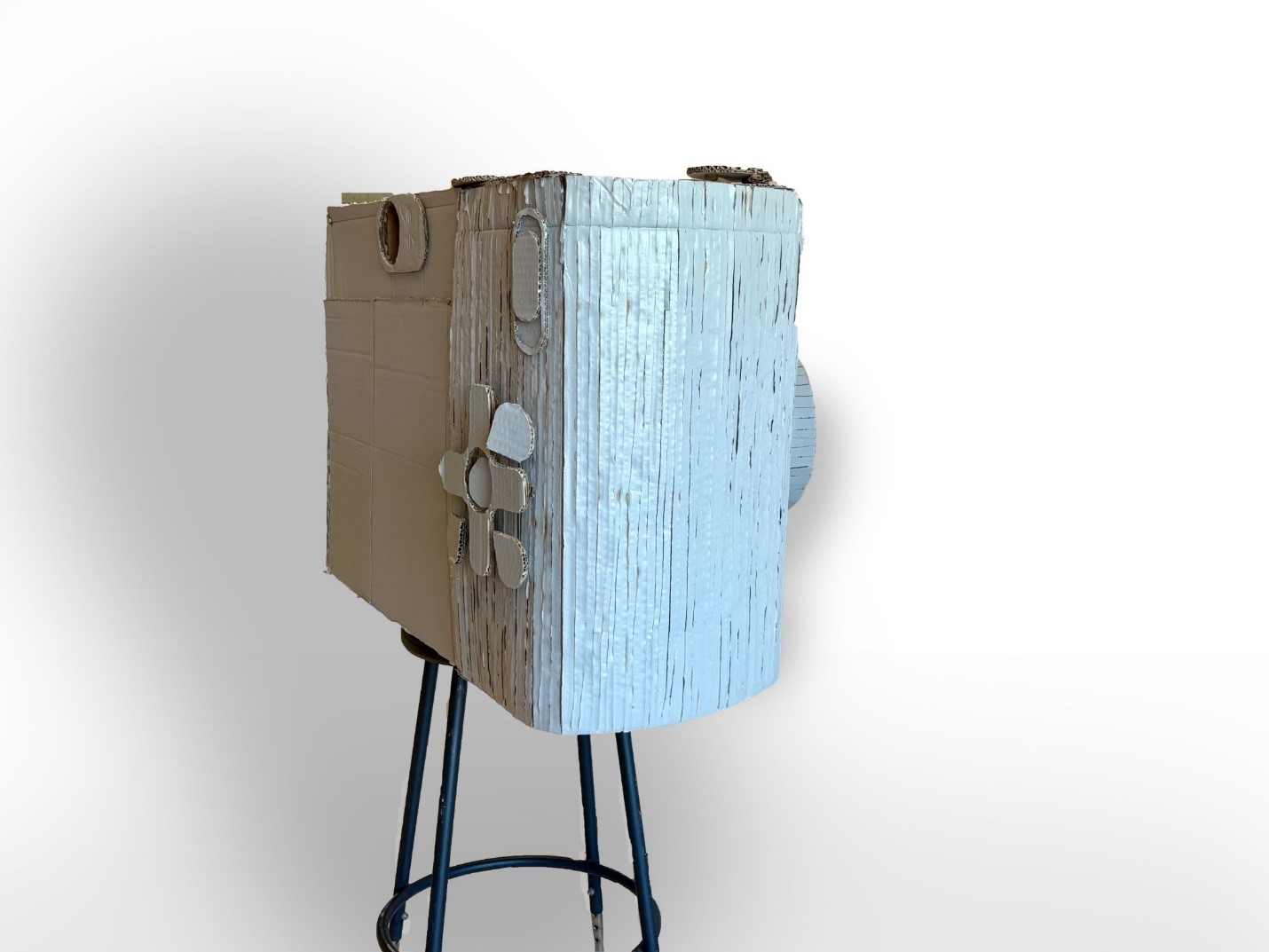
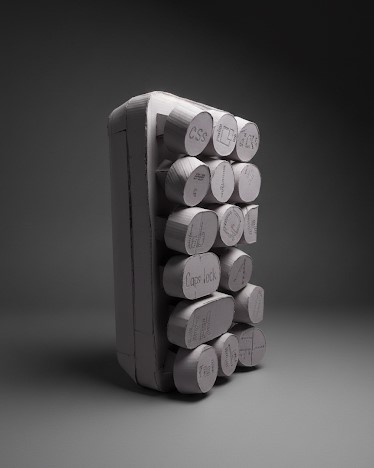
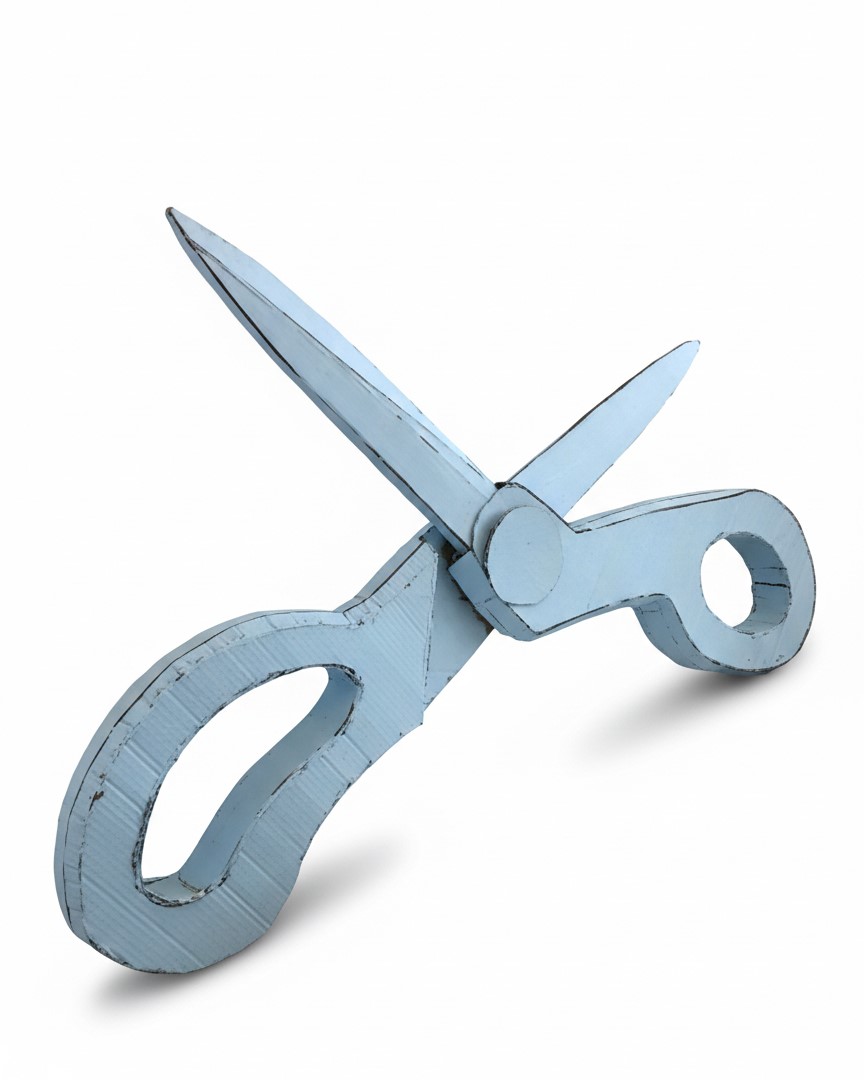
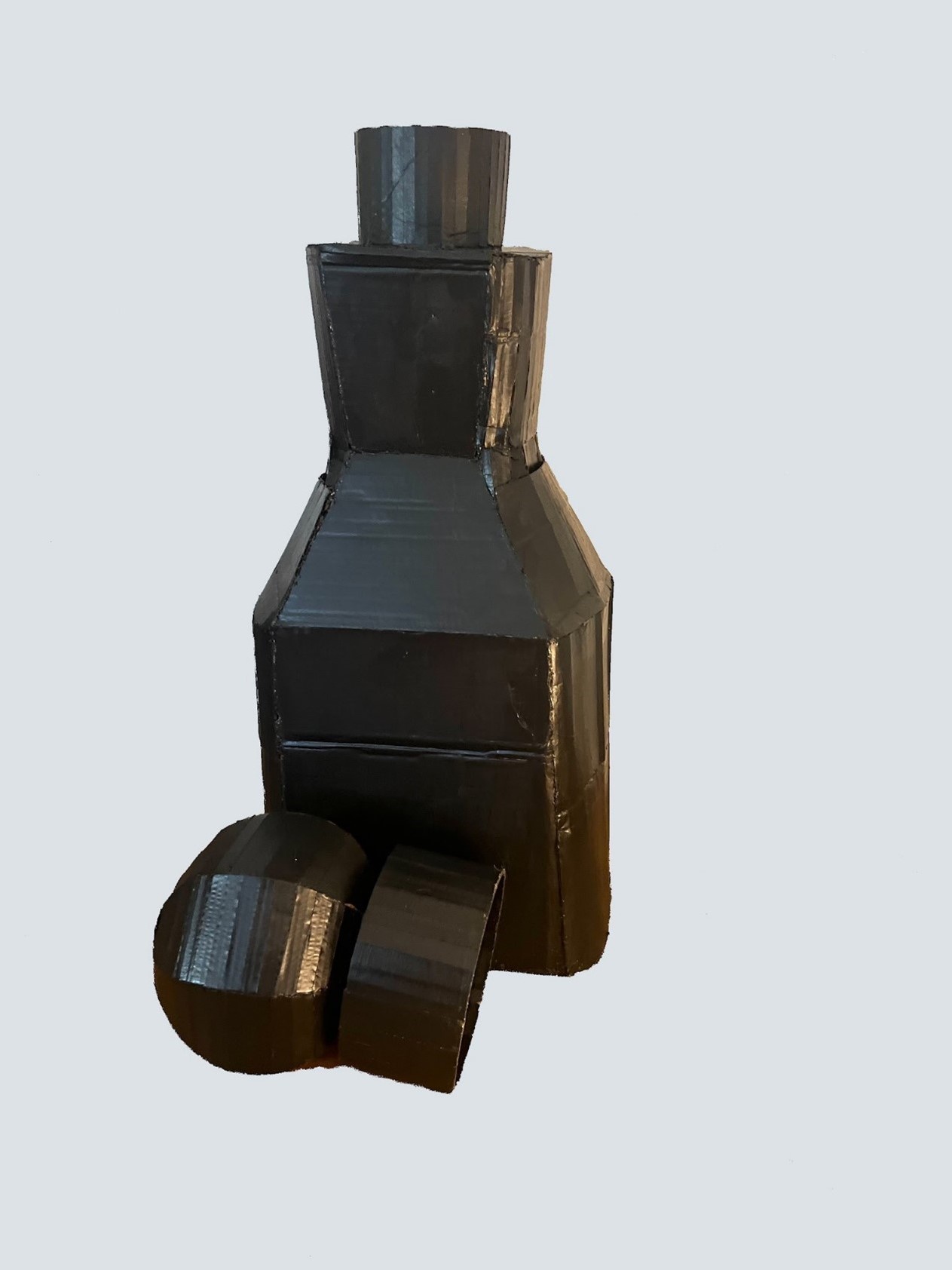
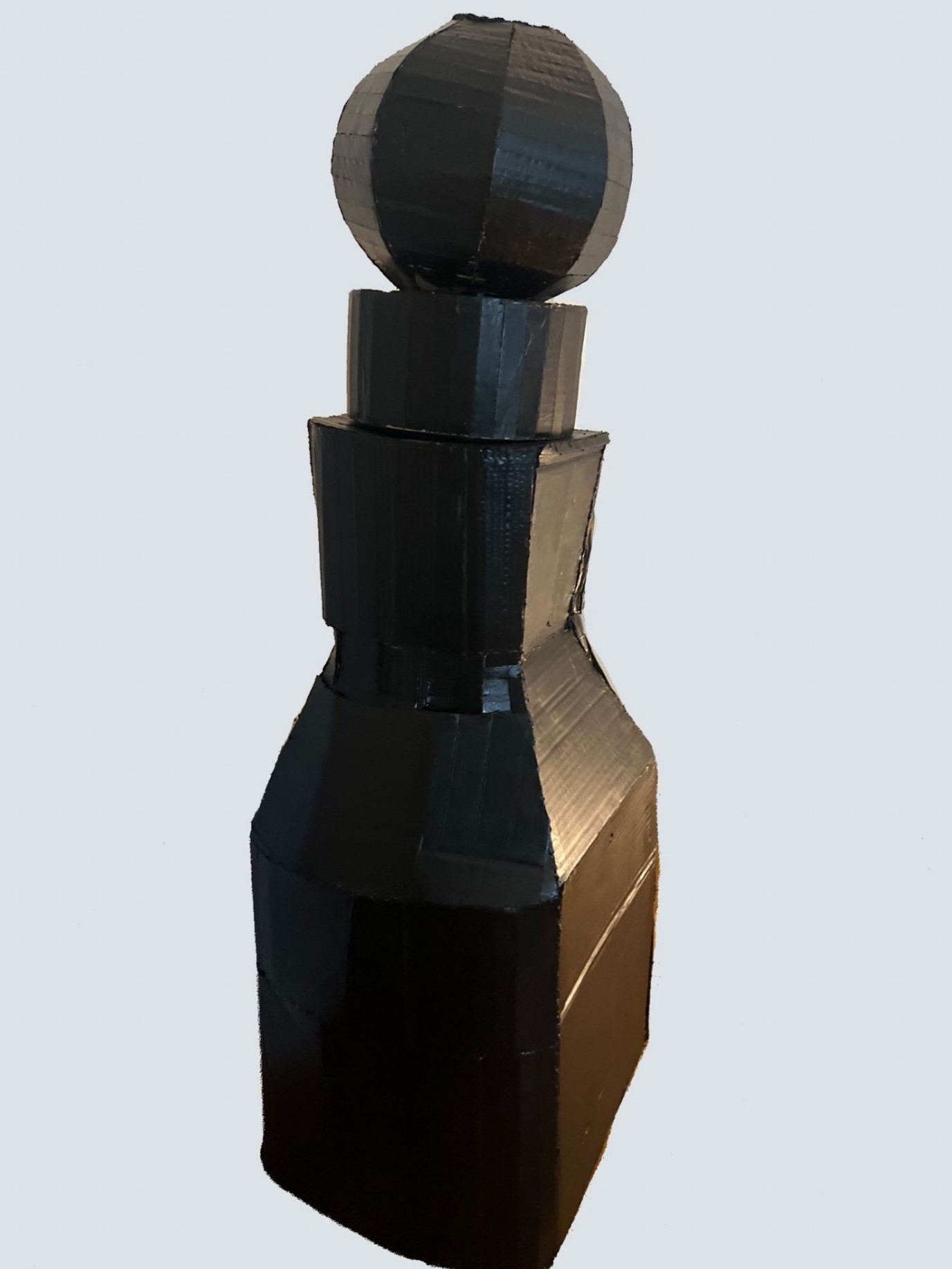
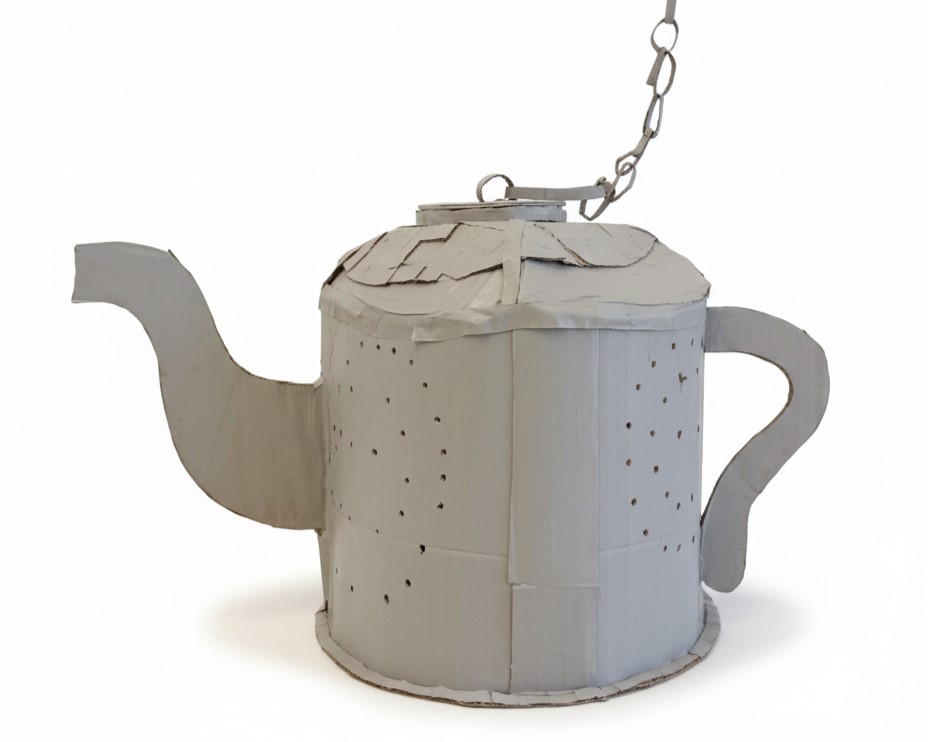
Volume Project
MAKE A:
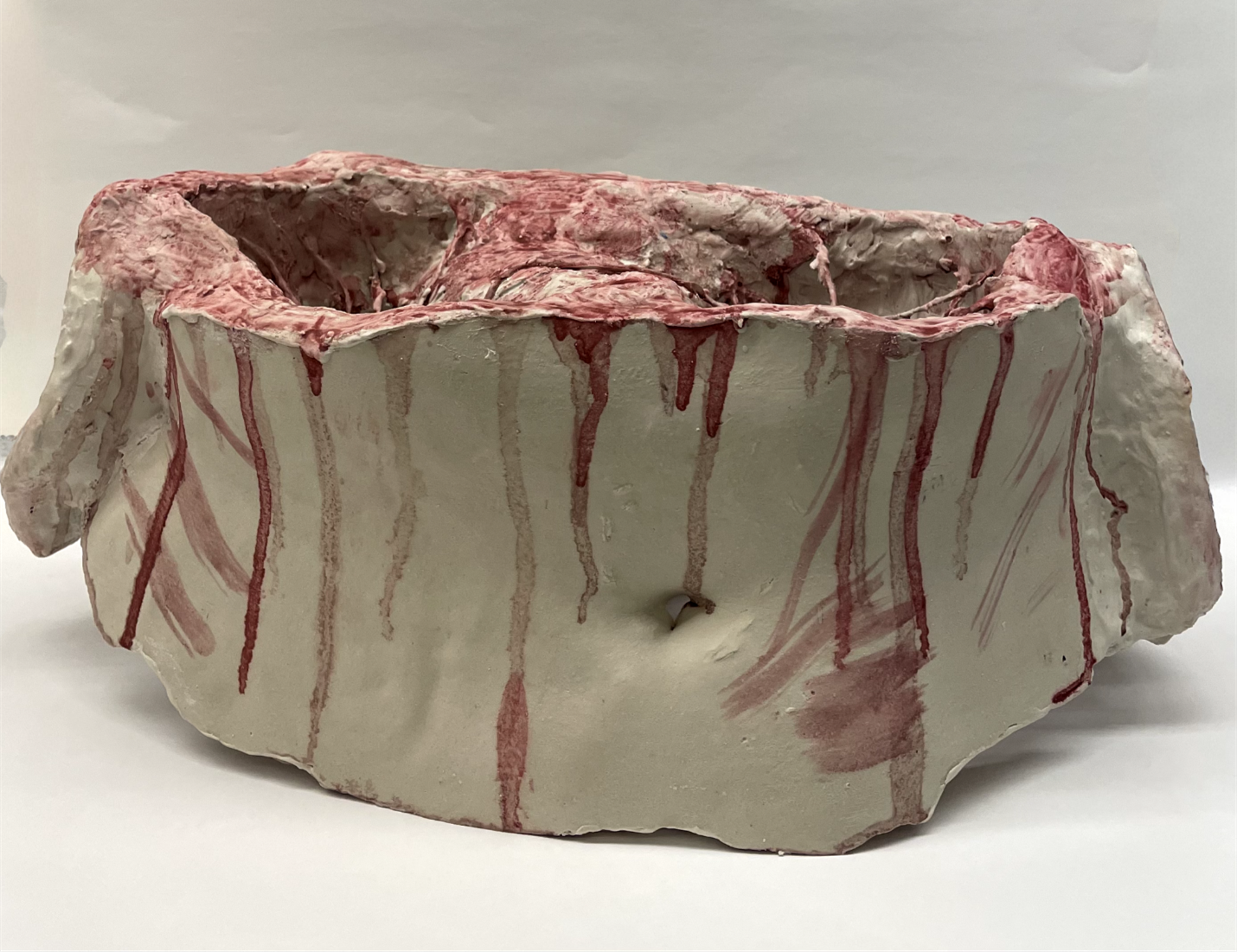
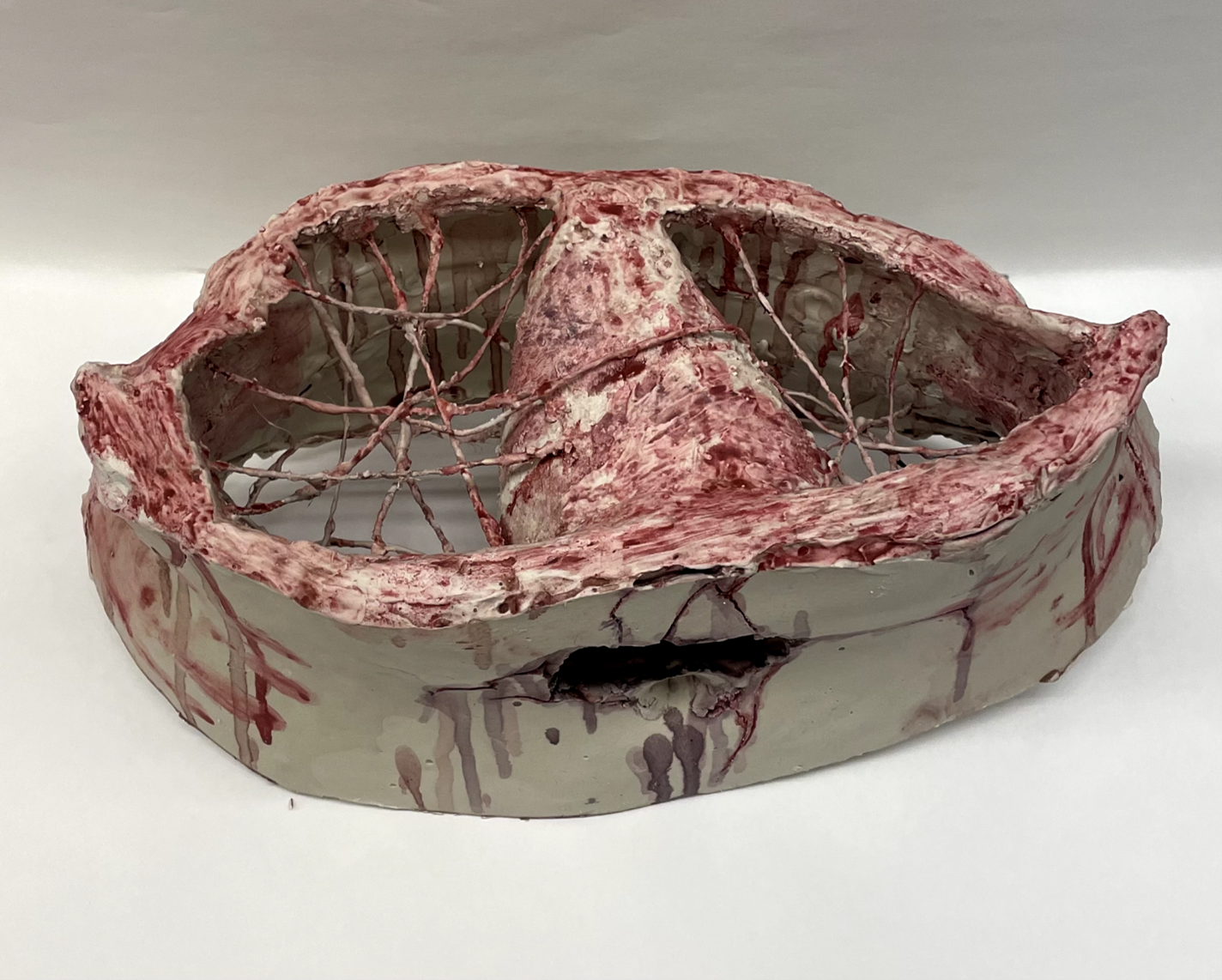
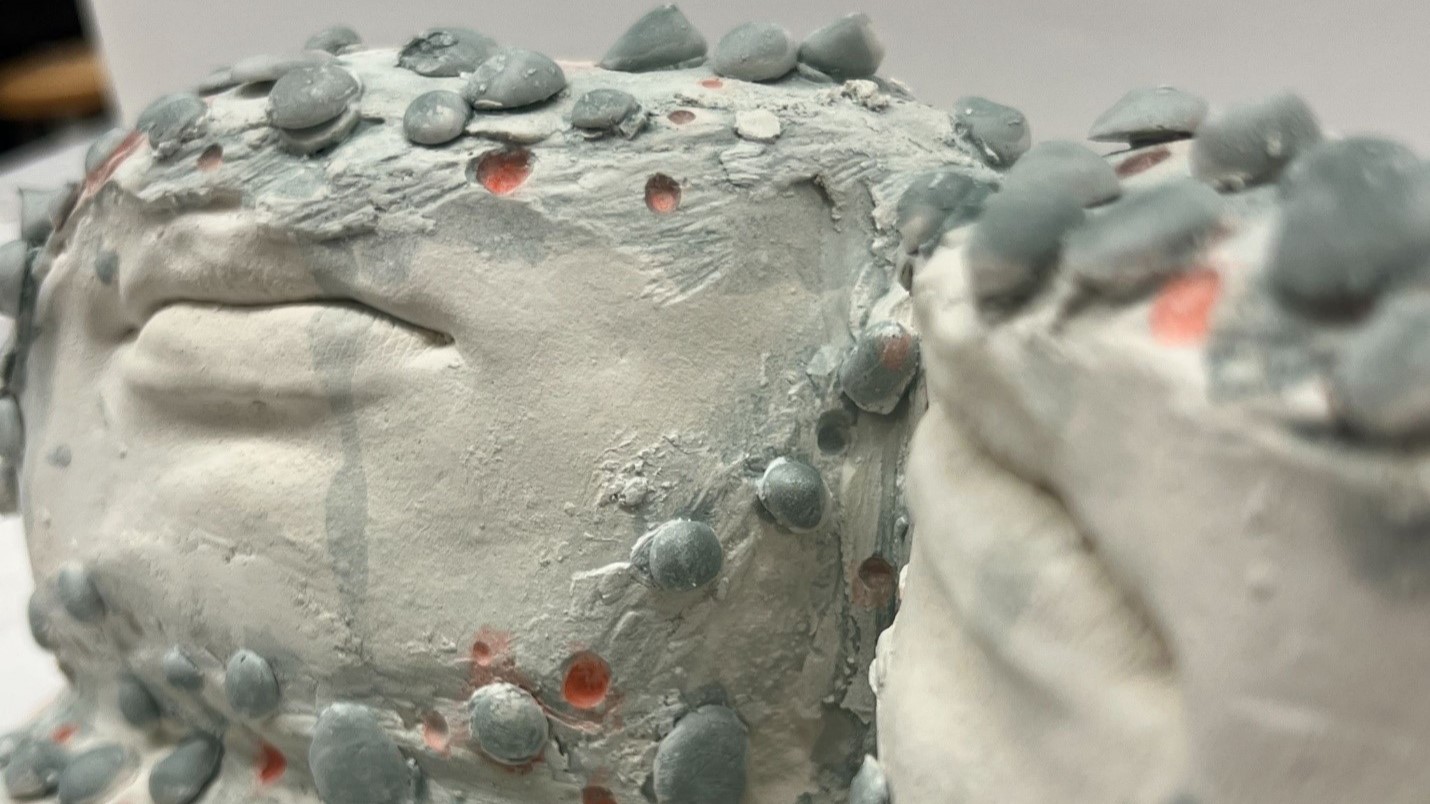
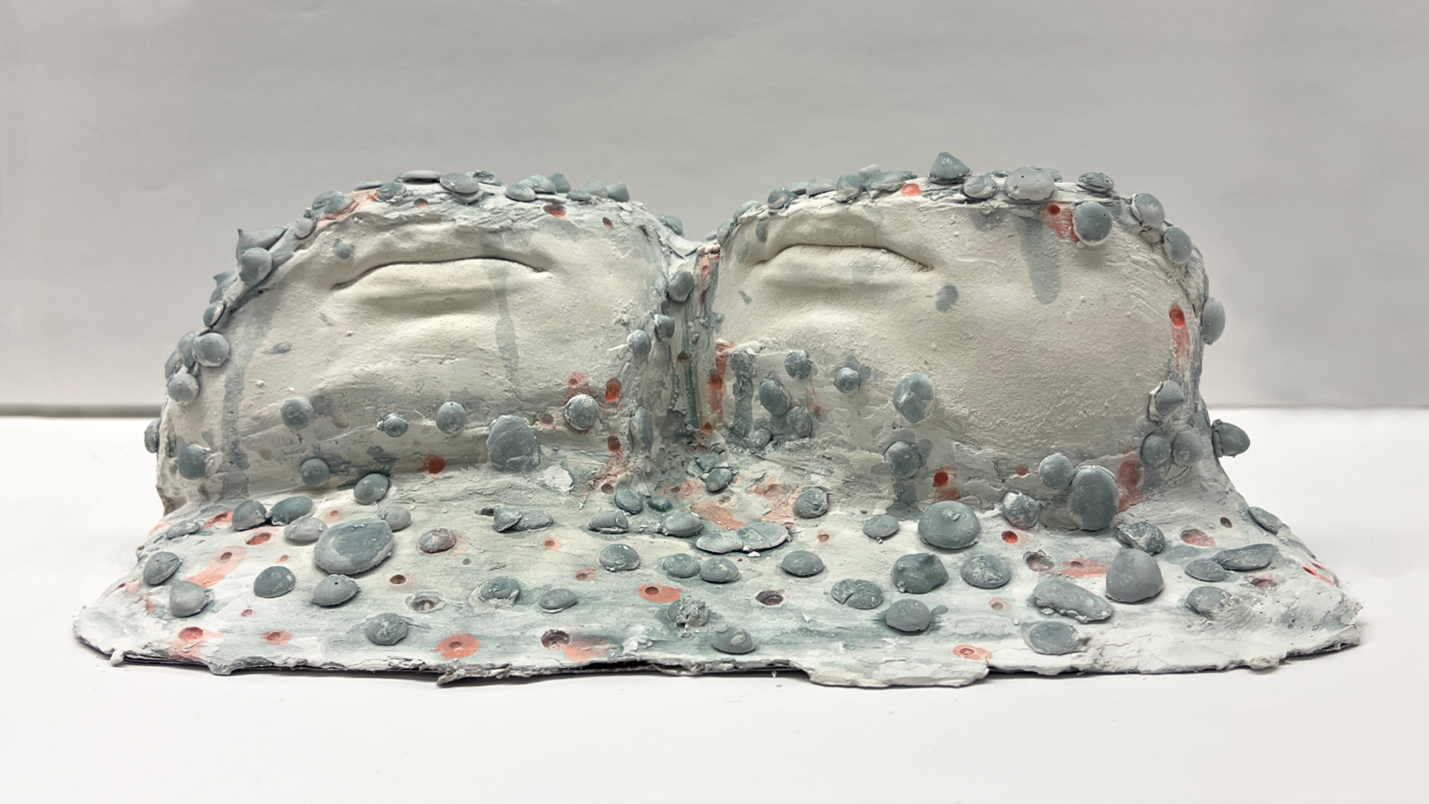
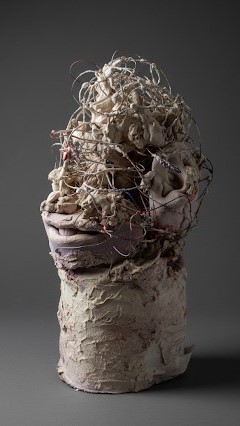
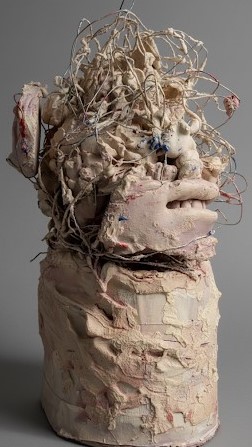
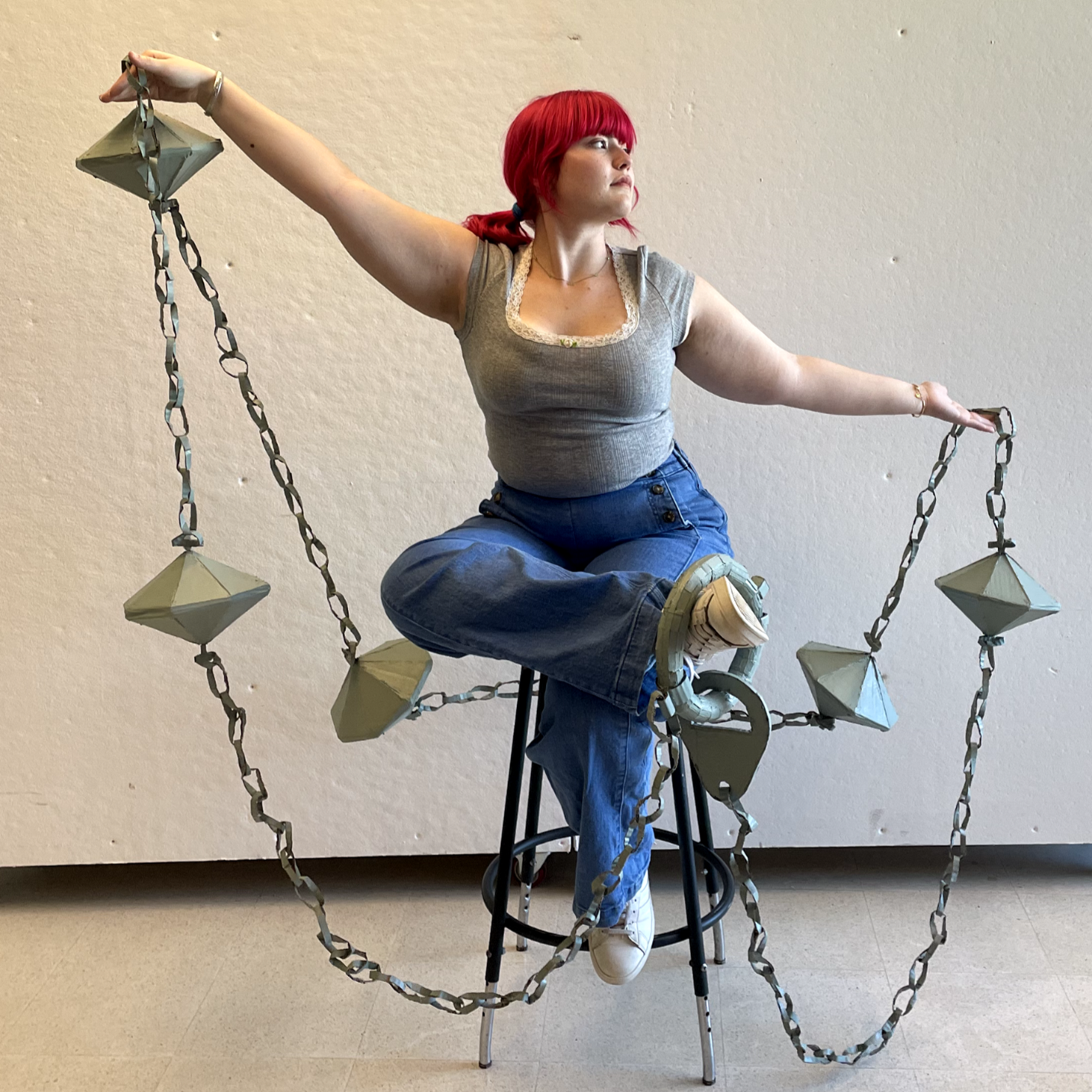
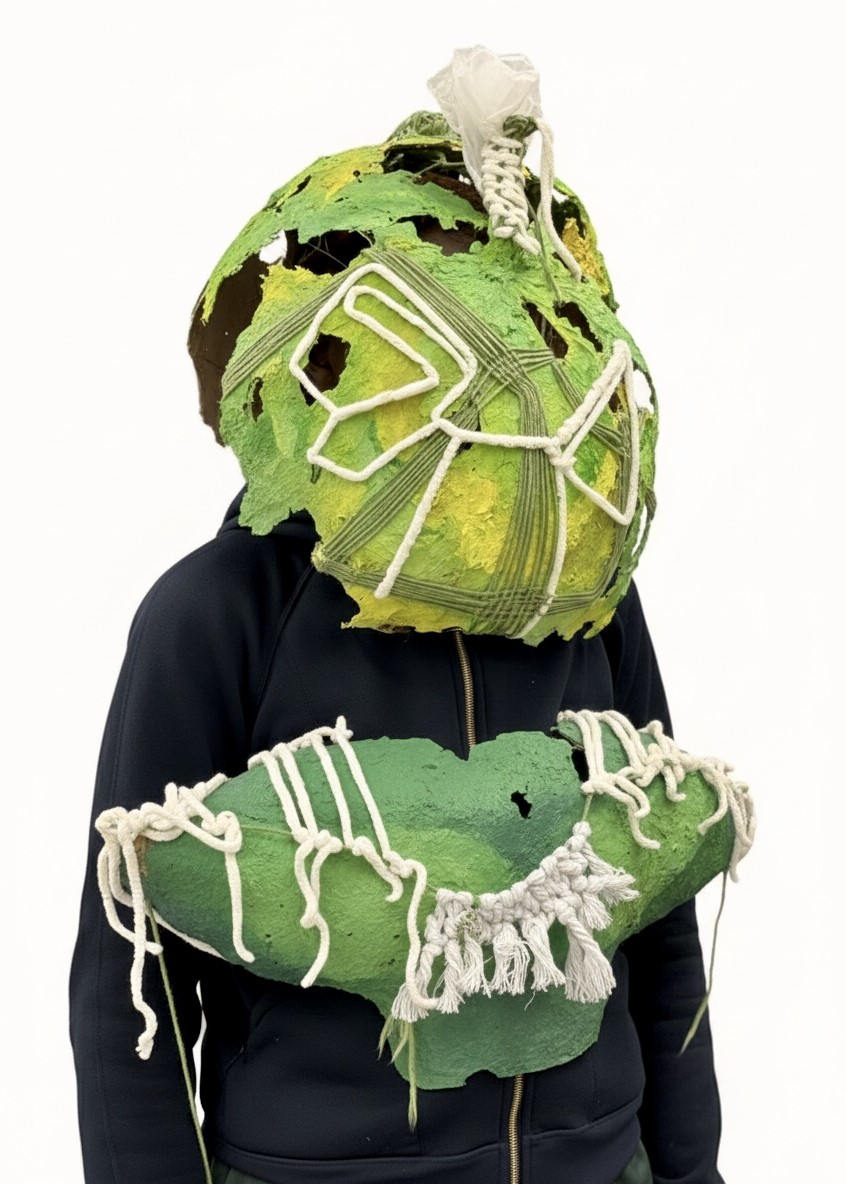
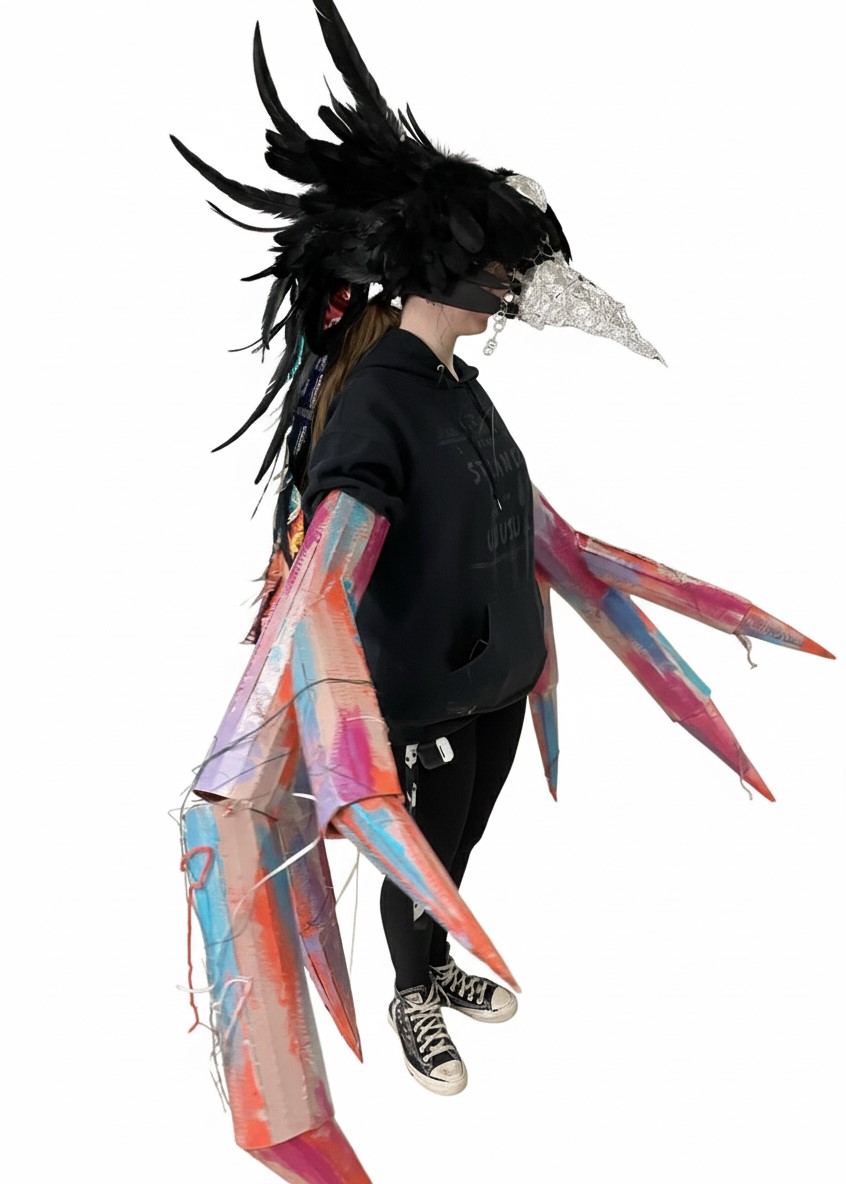
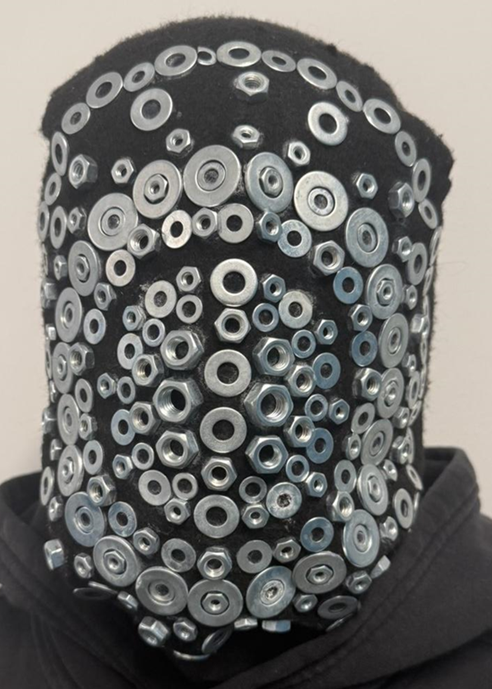
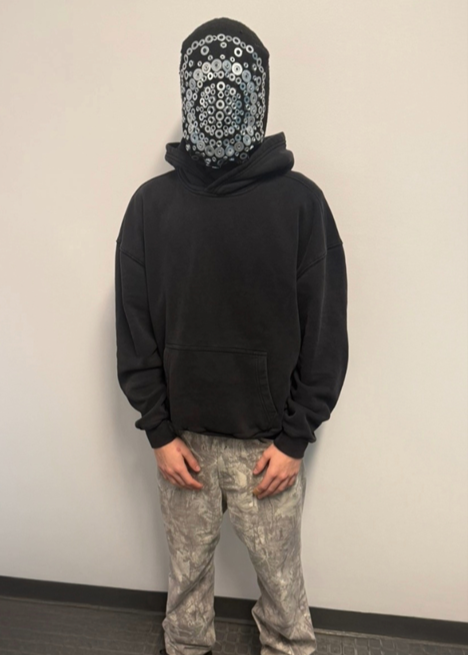
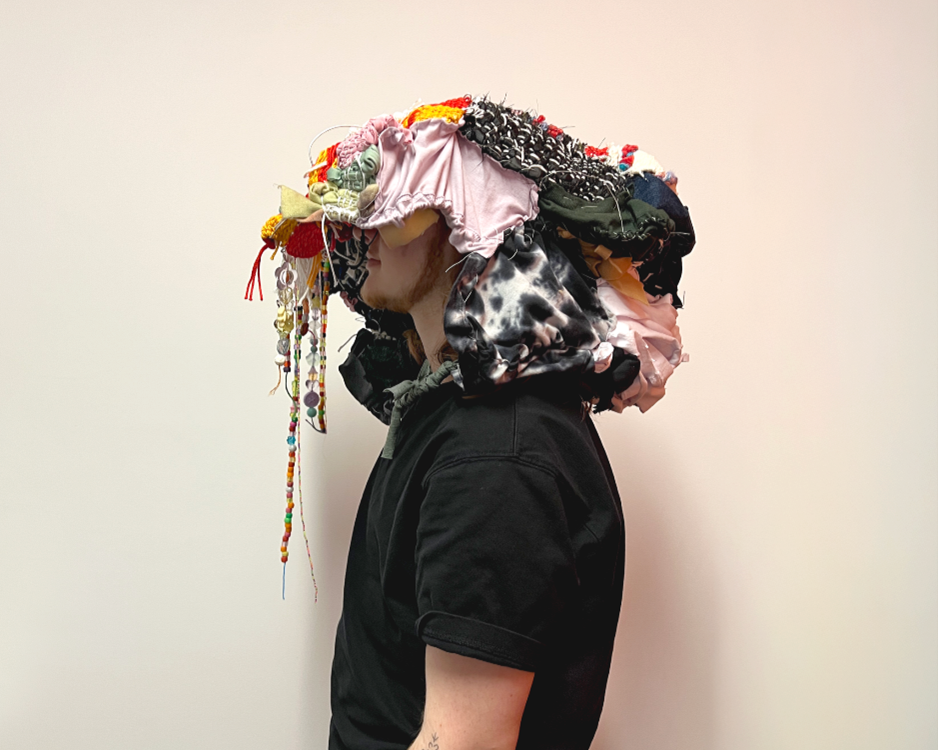
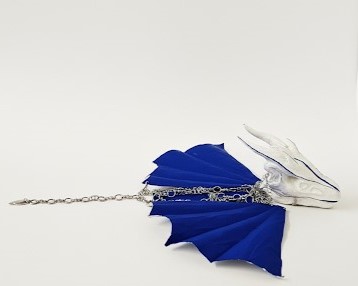
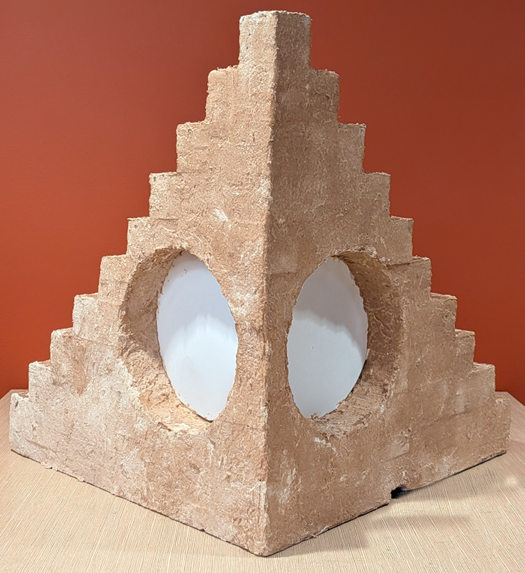
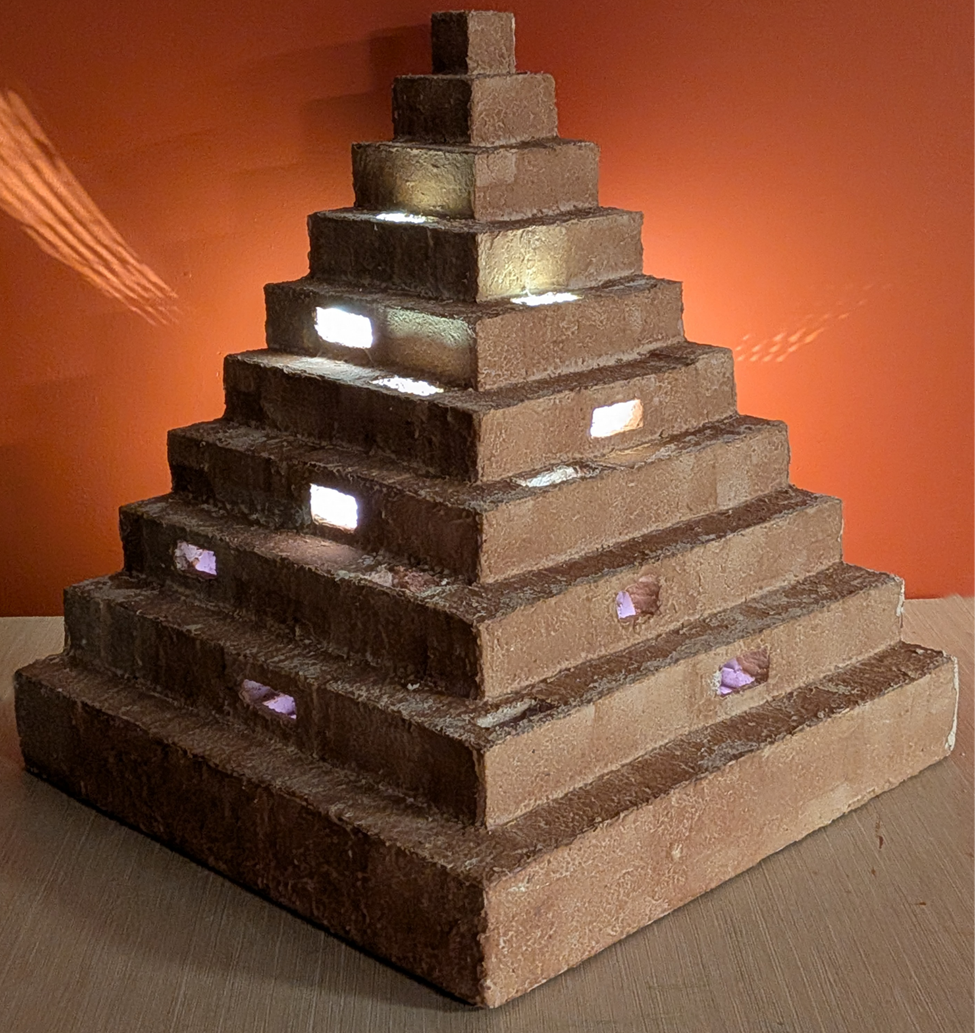
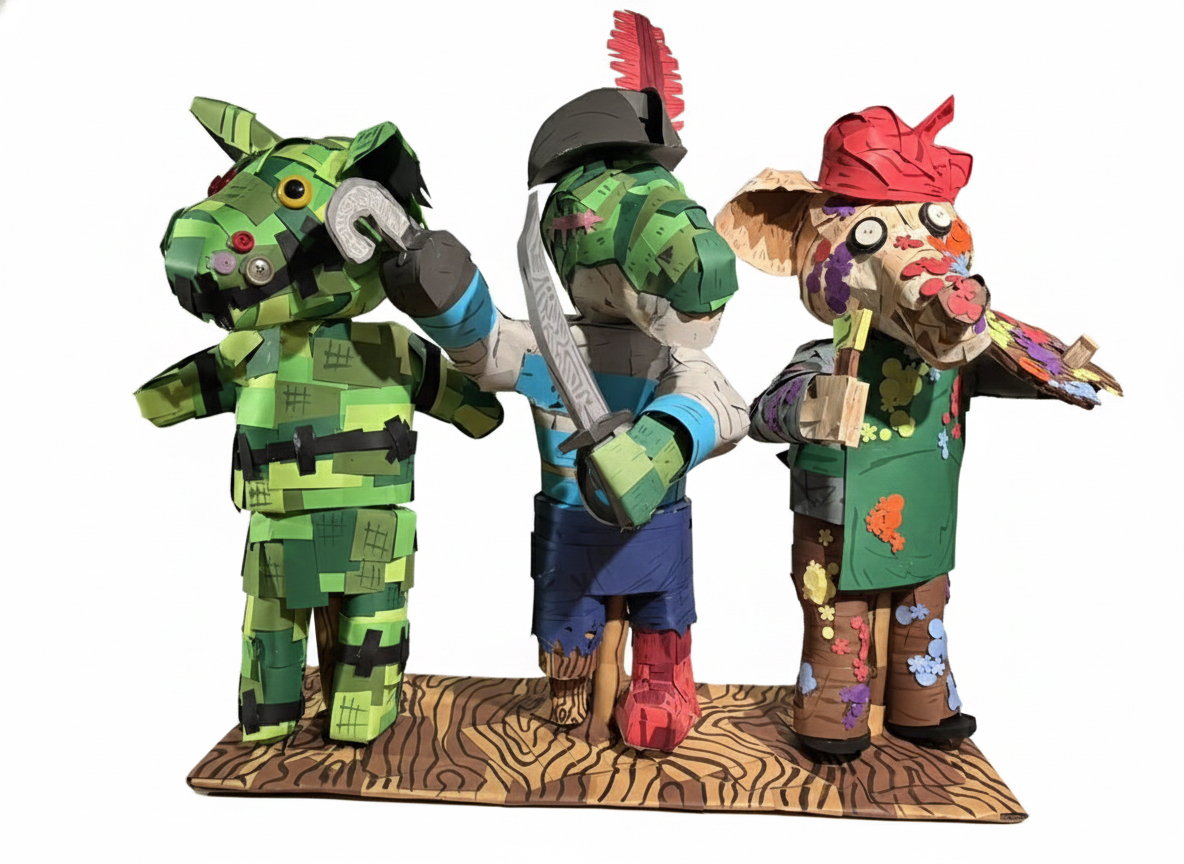
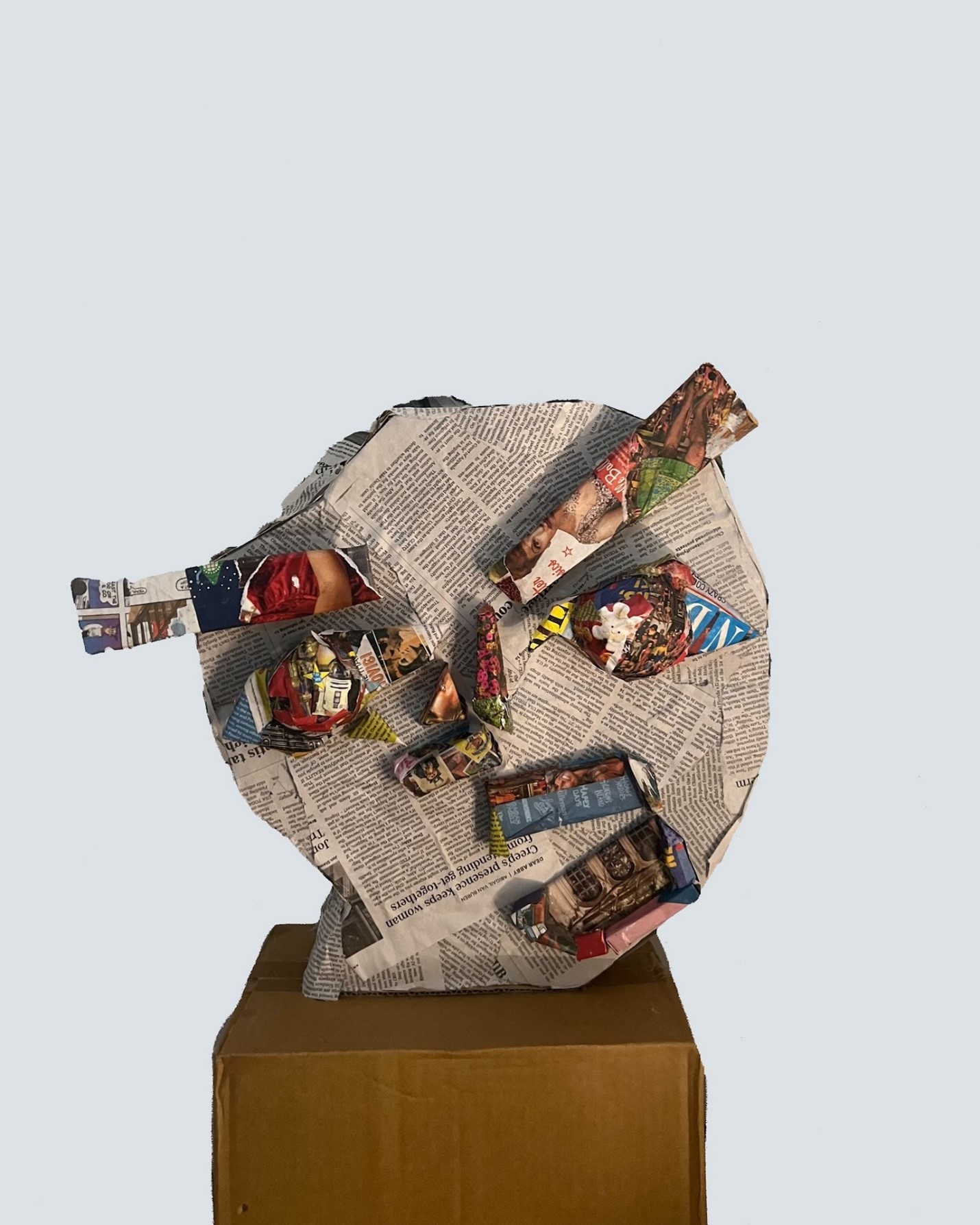
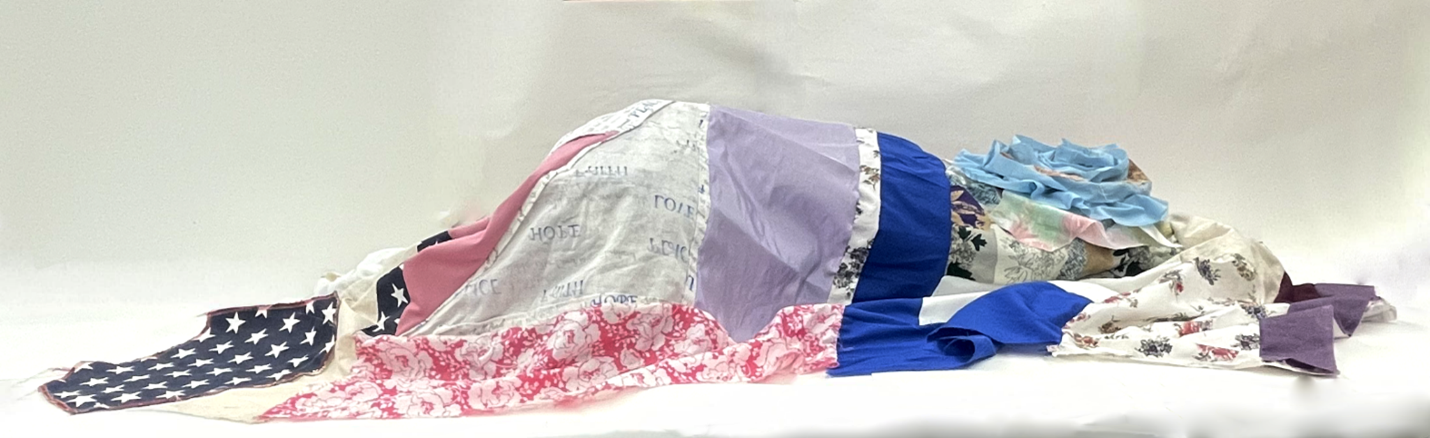
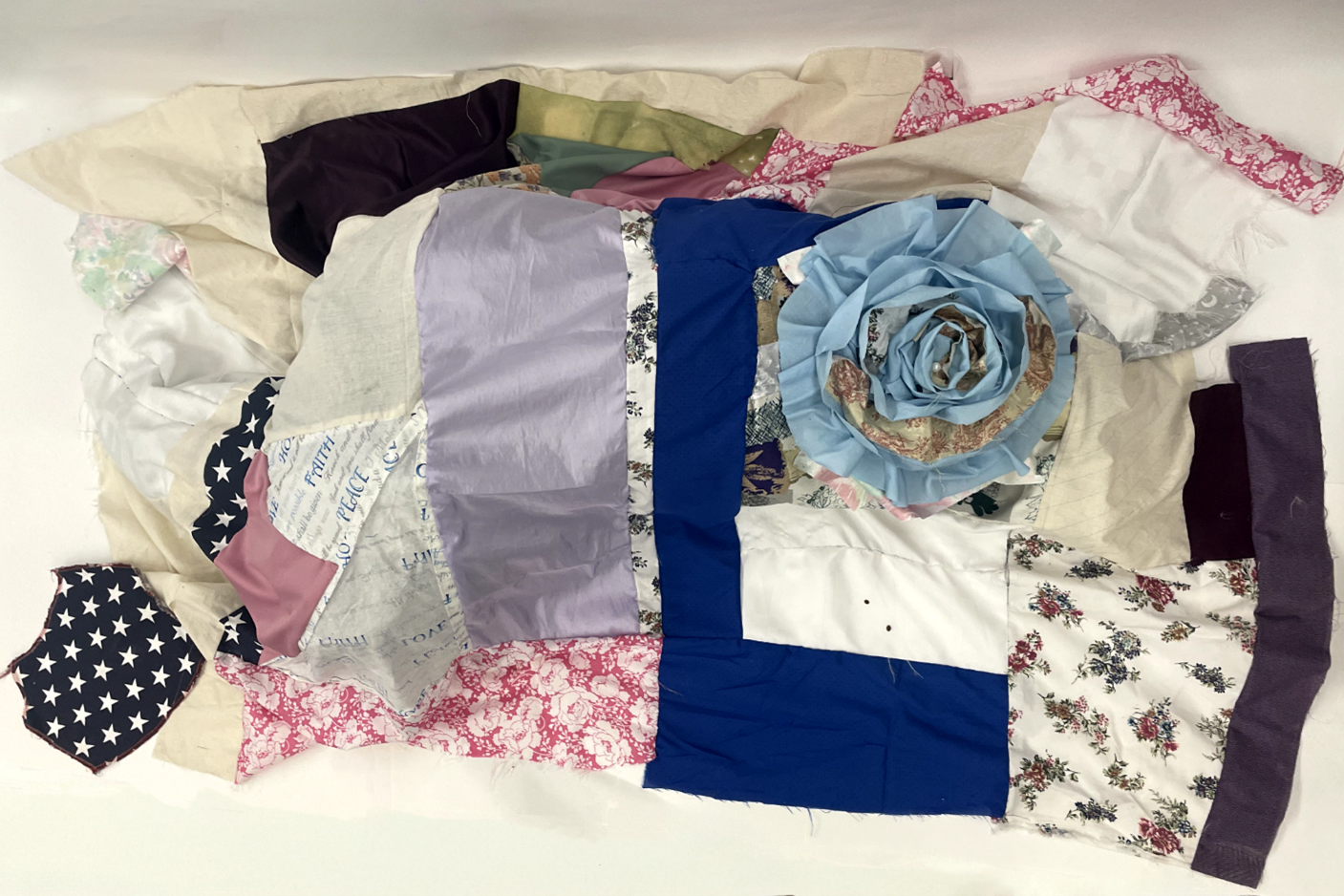
Abstract sculpture or Wearable sculpture or A usable design object, using one of this elements by rolling dice :(1) Incremental building, (2) Sequence, (3) Collage, (4) Distortion, (5) Randomization or (6) Accumulation, That Conveys on of these elements: (1) Texture, (2) Light/Shadow, (3) Movement, (4) Juxtaposition, (5) Calm/Chaos or (6) Experimentation.
for this project you may only use two (2) visible materials for the structure (skin)– your choice and any substructure (bones) can be anything.
Learning outcomes:
• Building their own research archive
• Skin/Bones (aka Structure/Substructure)
• Collaborating with Process
• Methods of building form and surface:
Form Demos: foam carving, cardboard fabrication, wire
Surface Demos: wood pulp clay, paper clay, papier-mache, plaster wrap, sewin
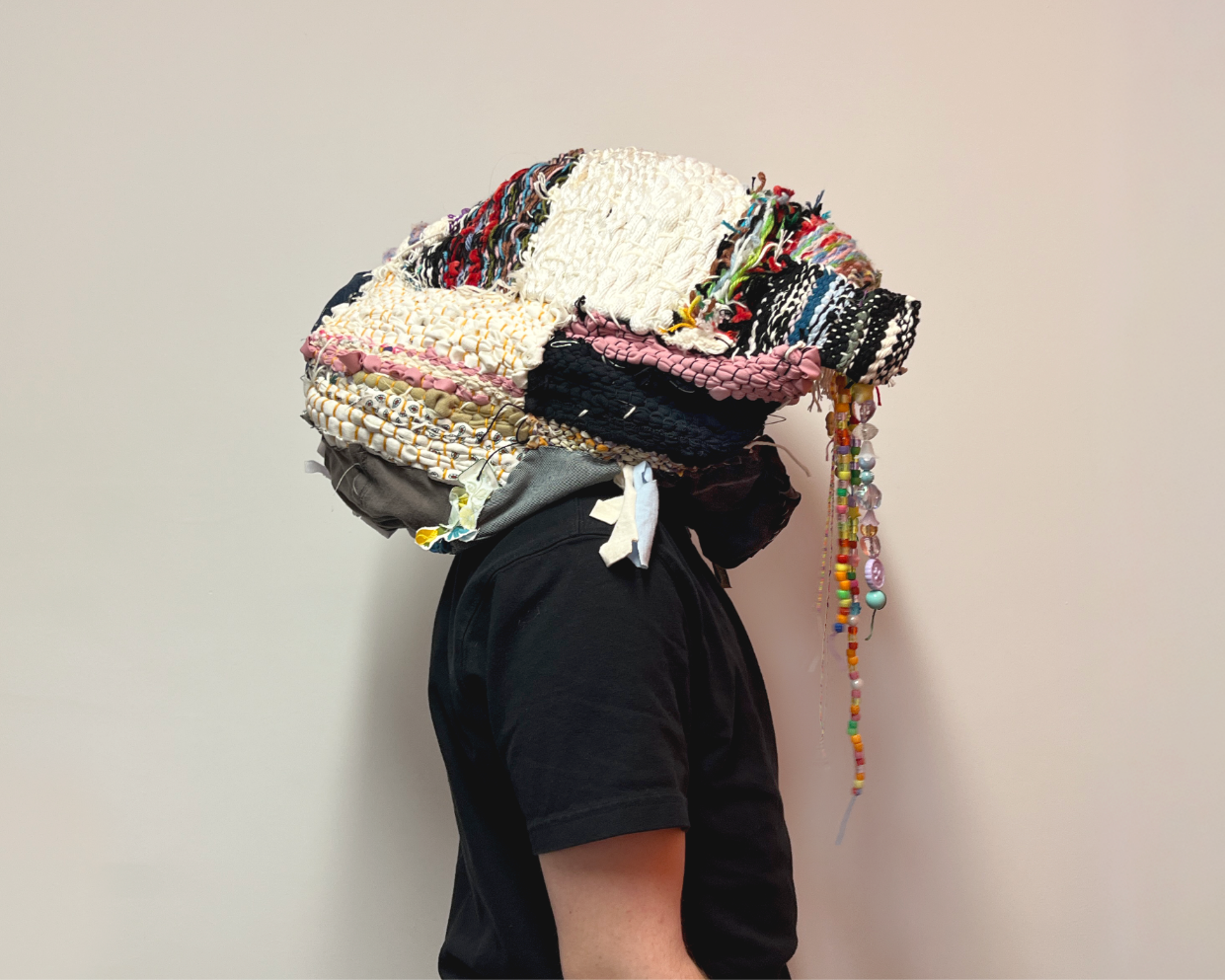
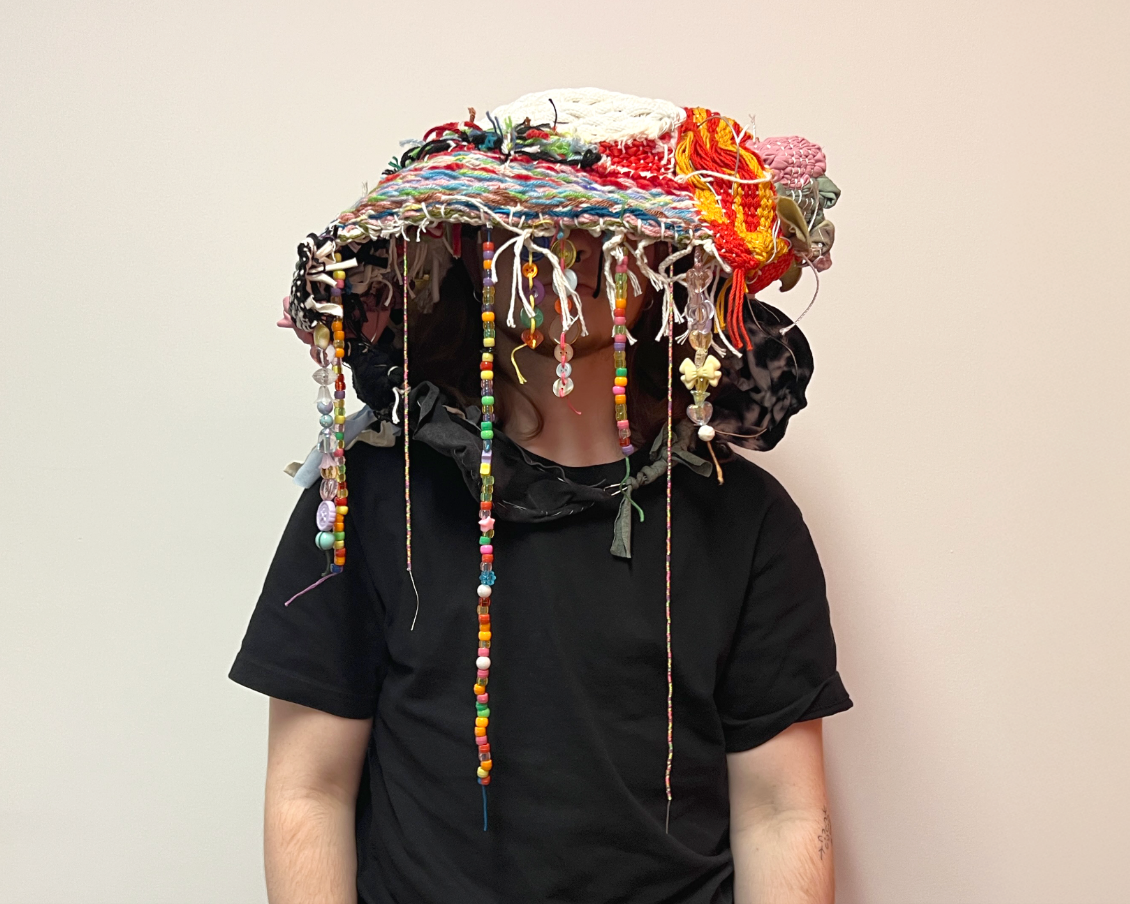
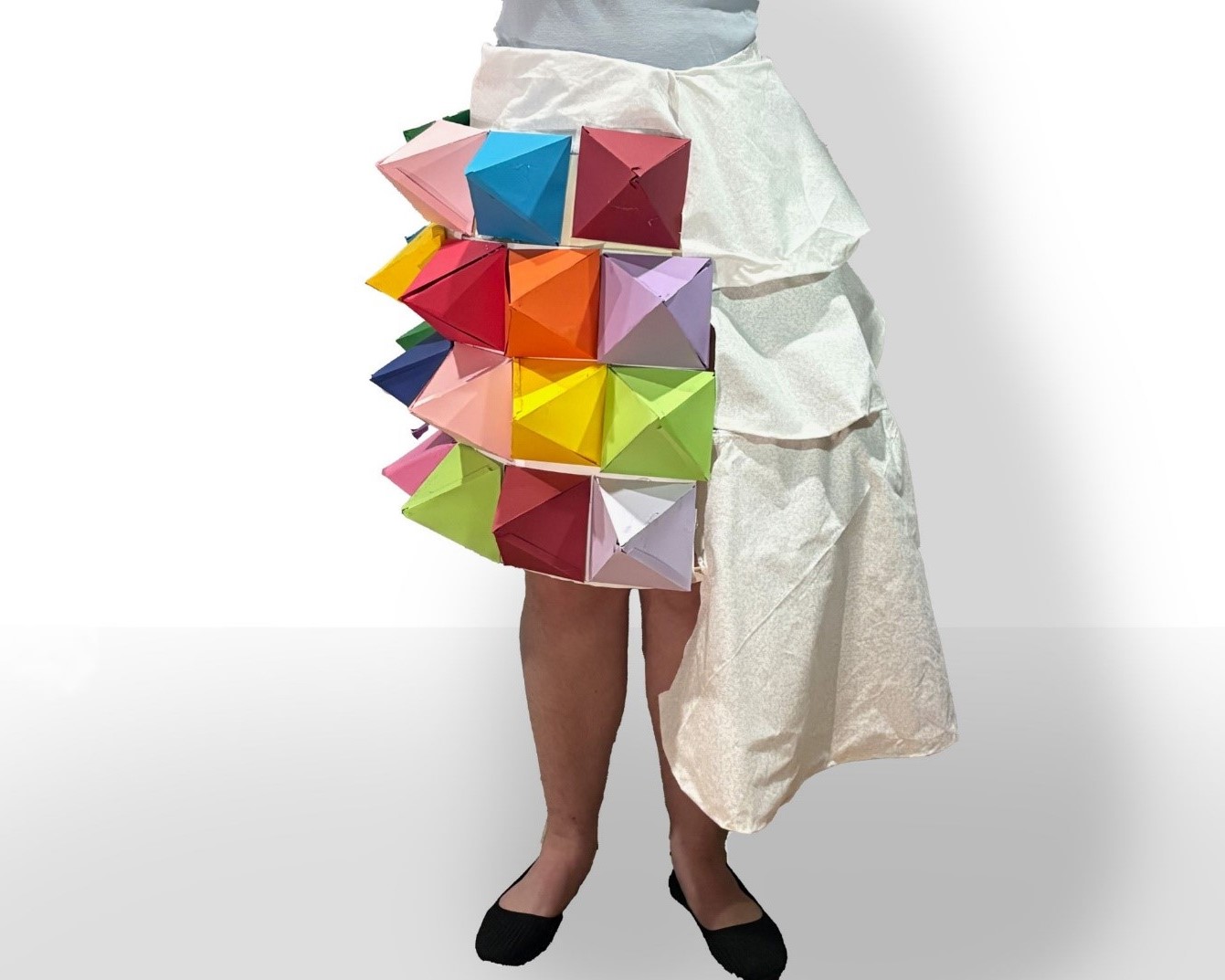
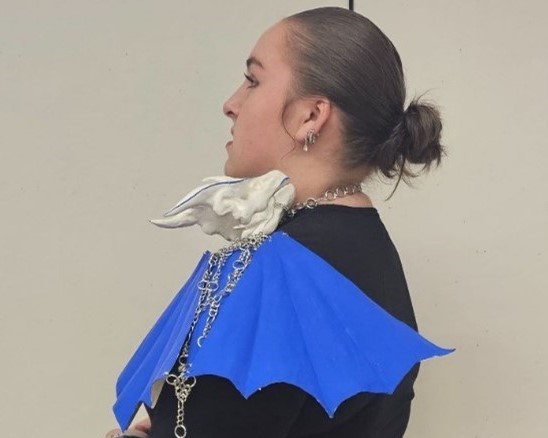
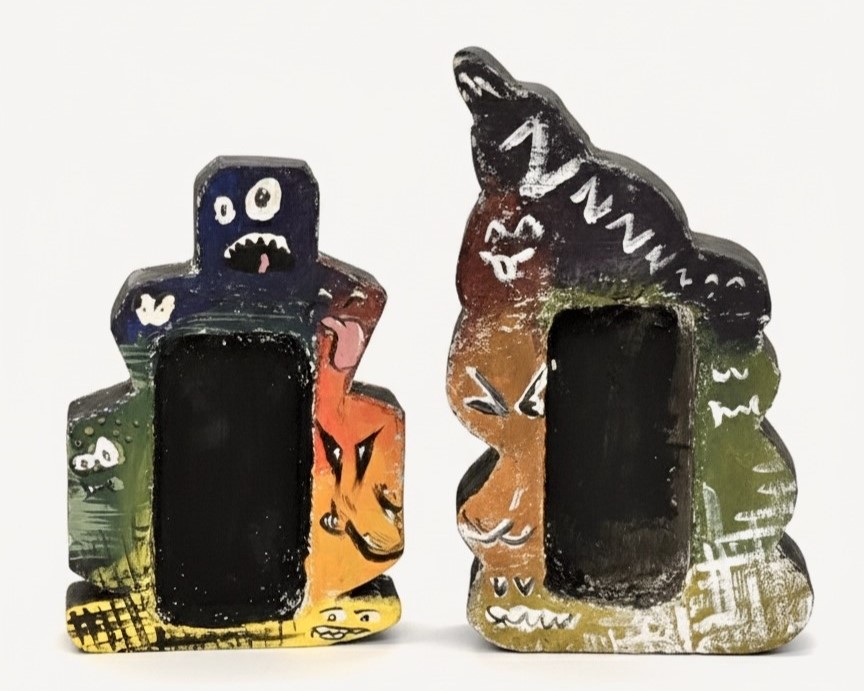
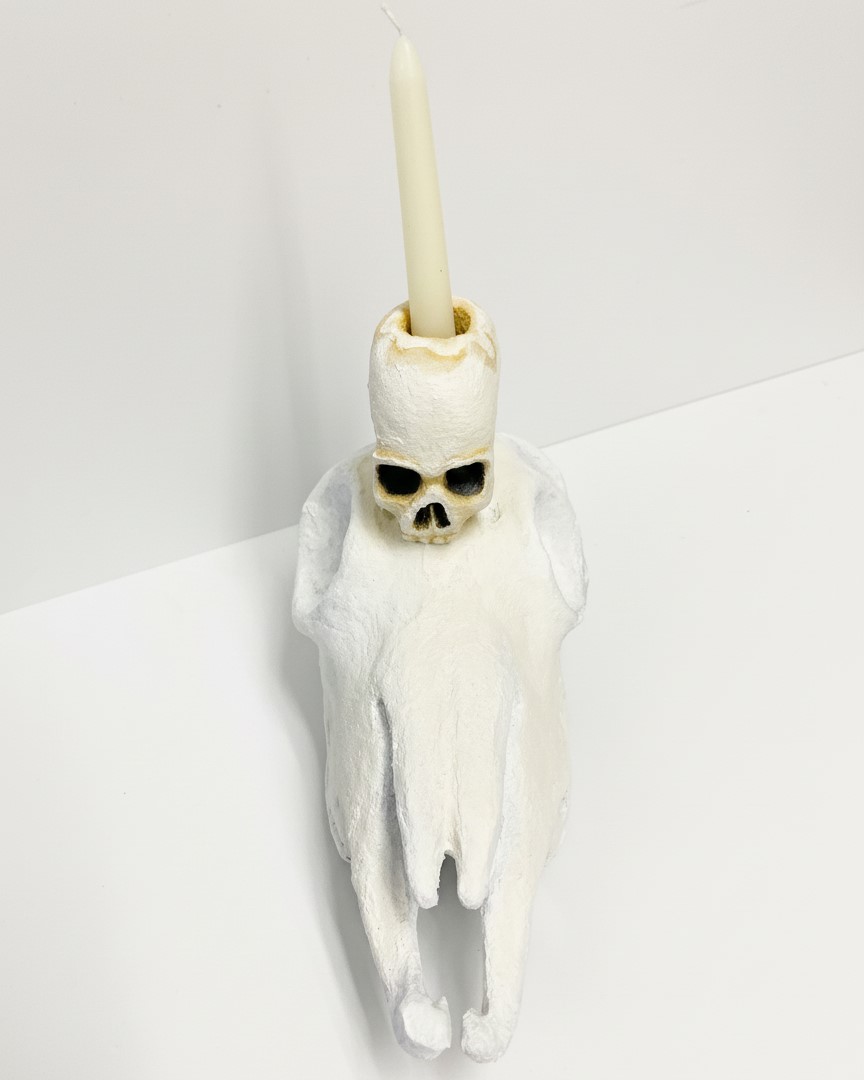
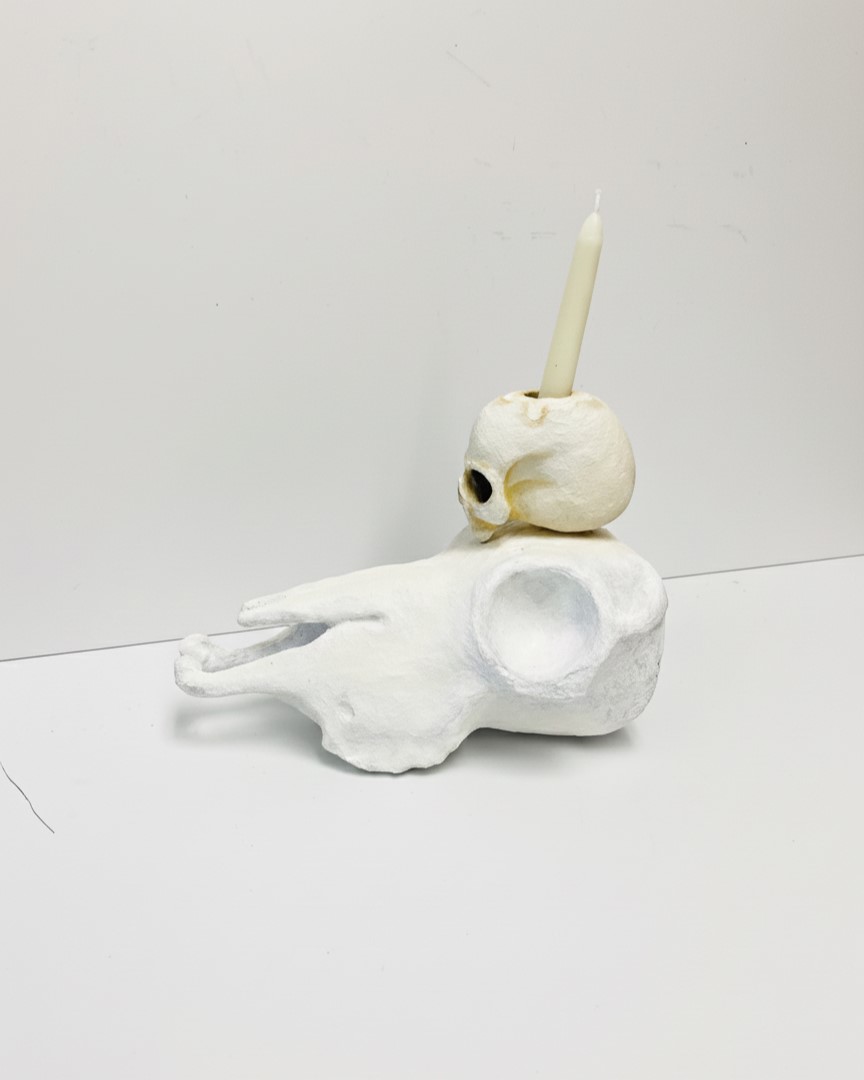
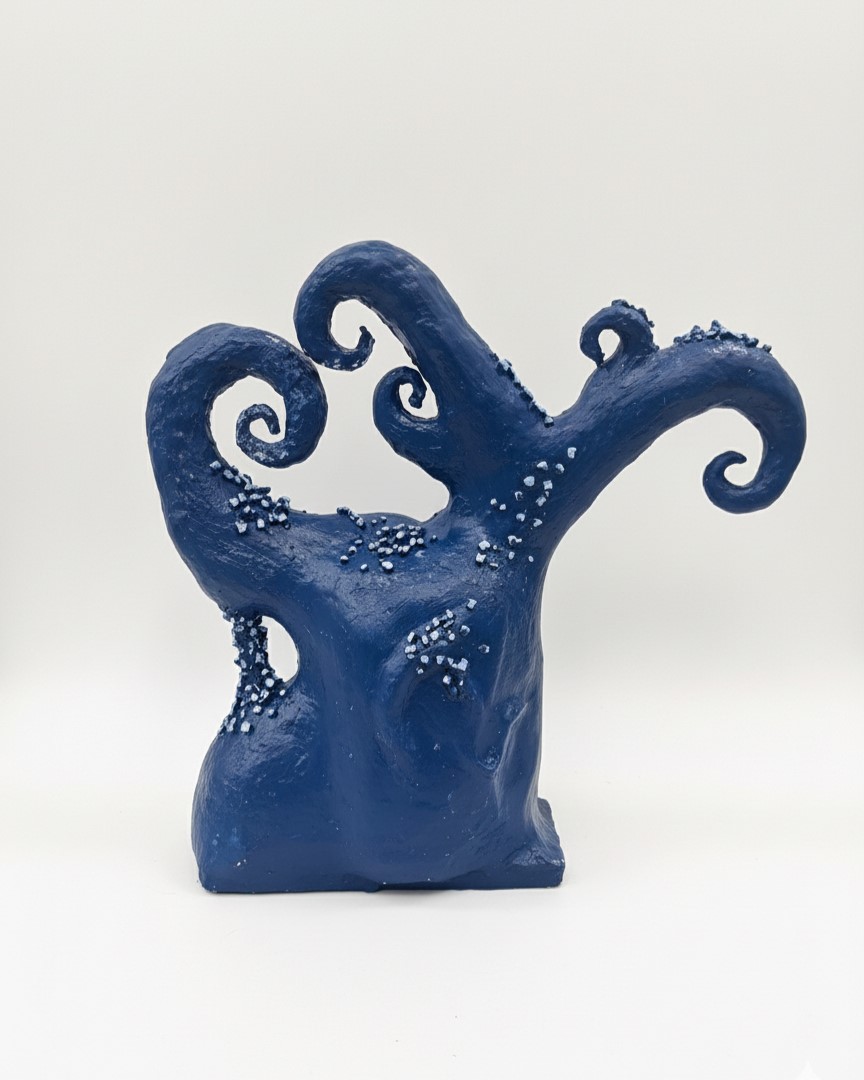
Body project
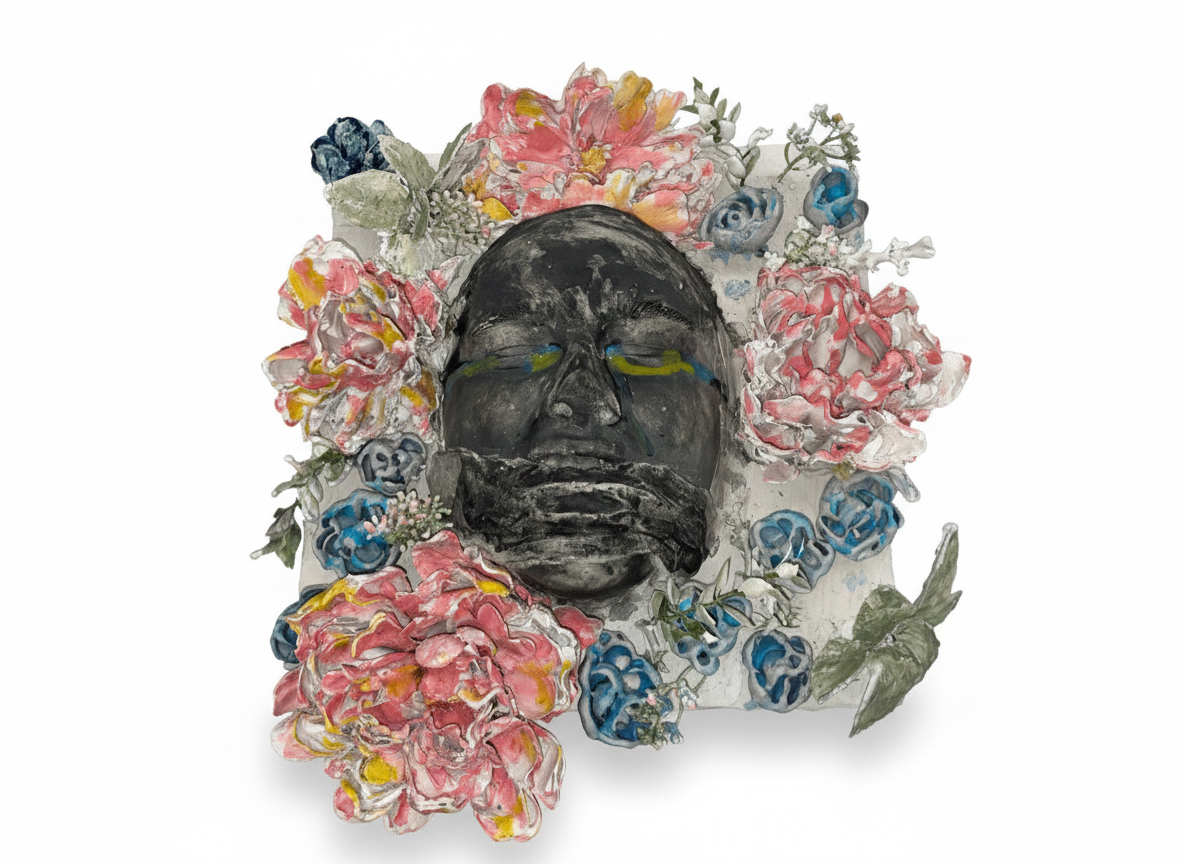
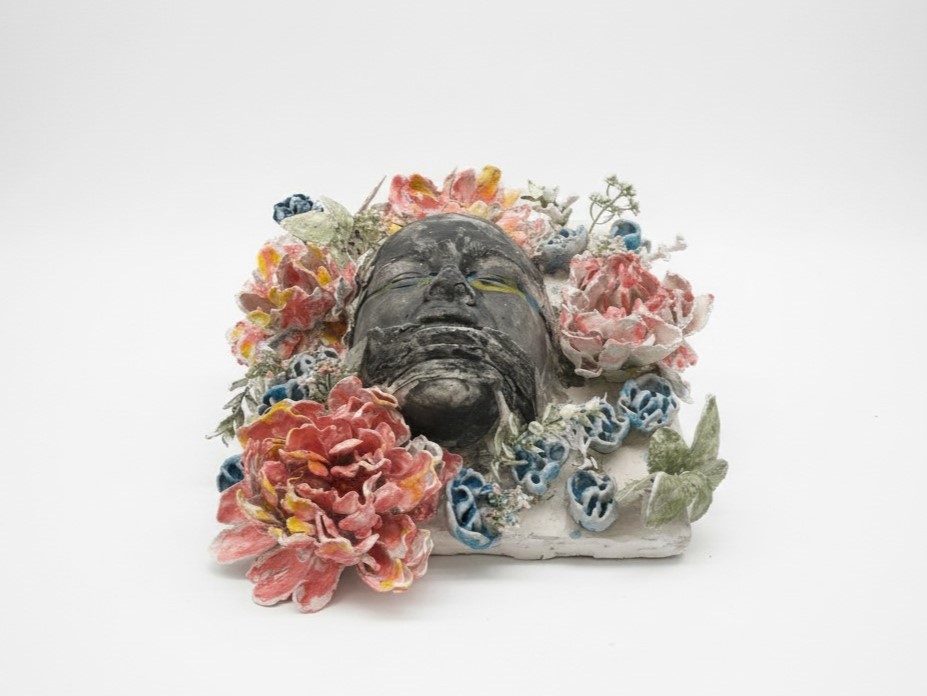
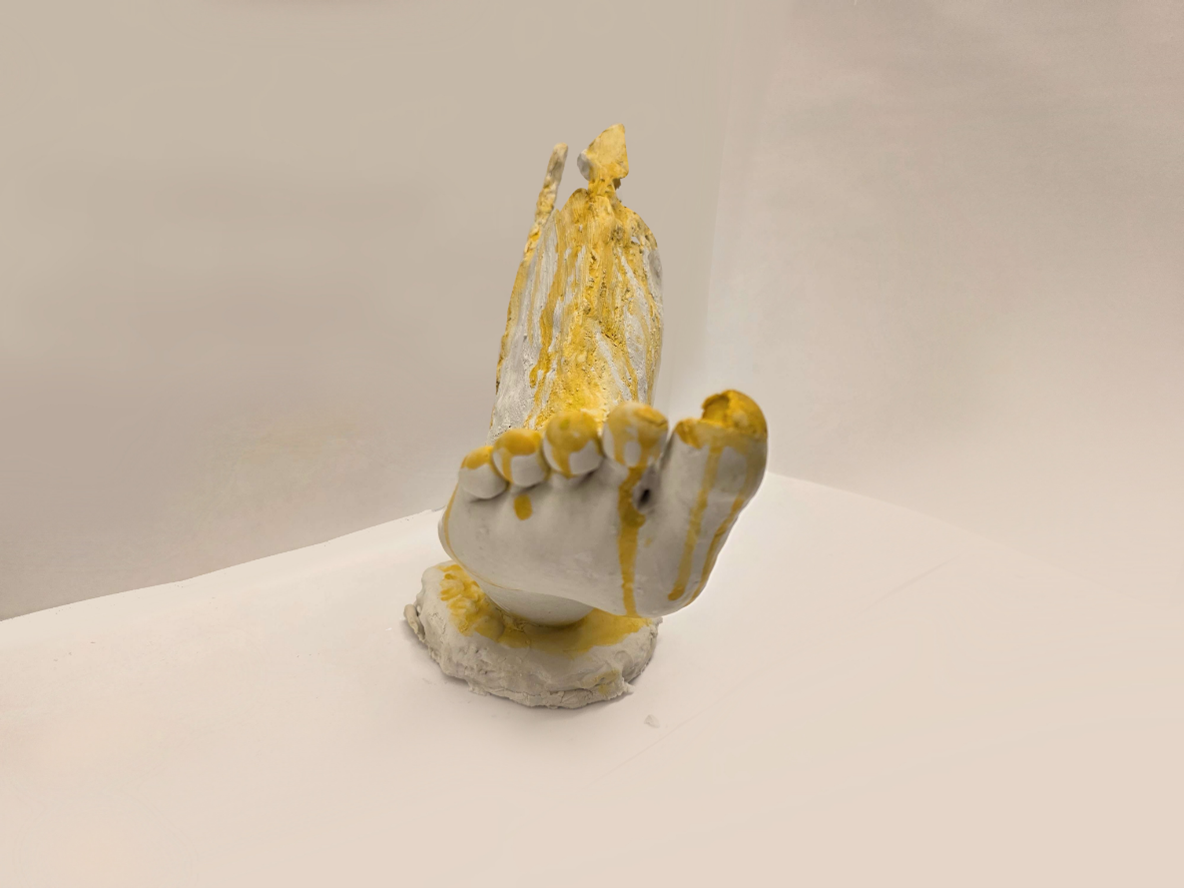
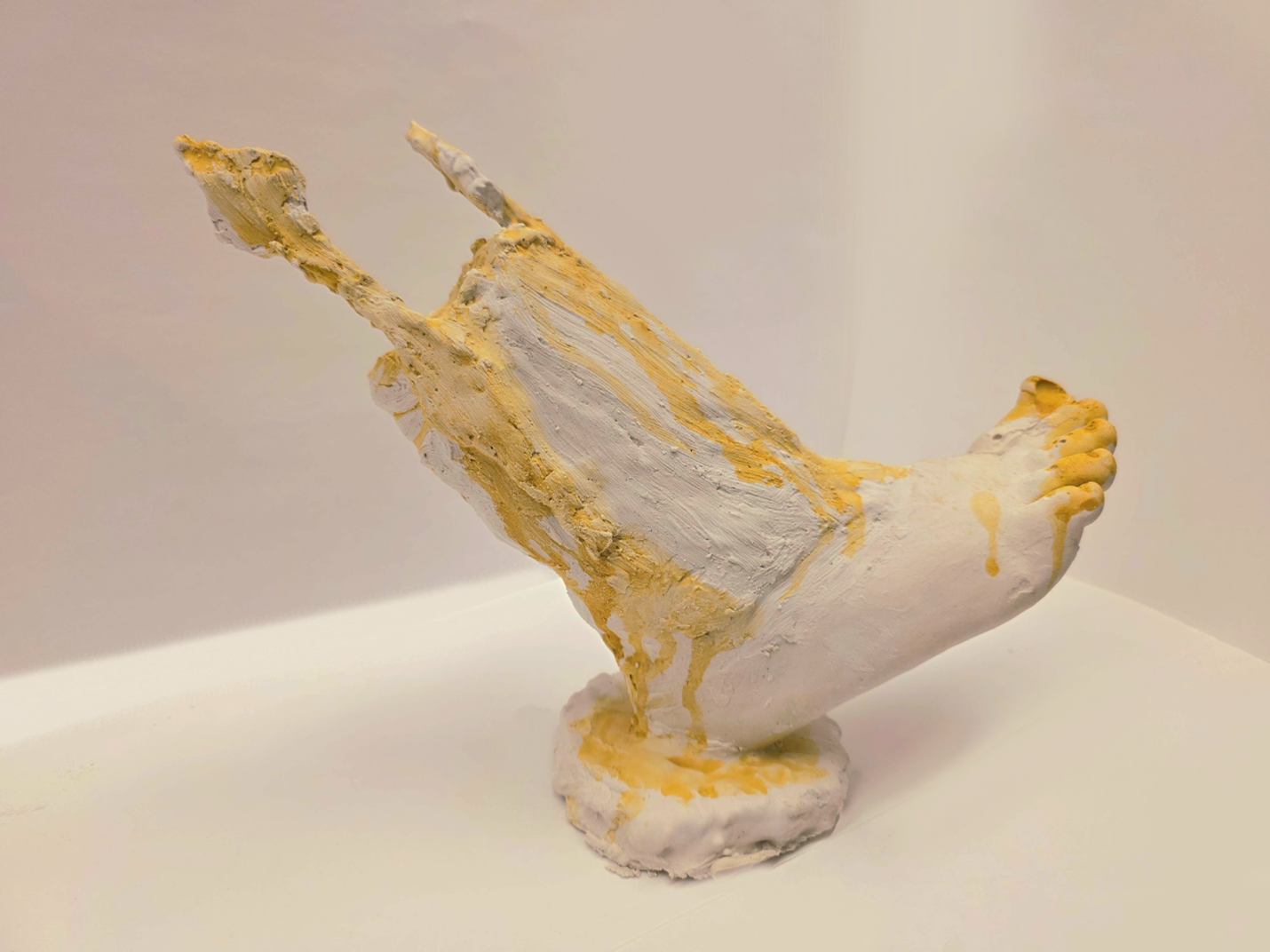
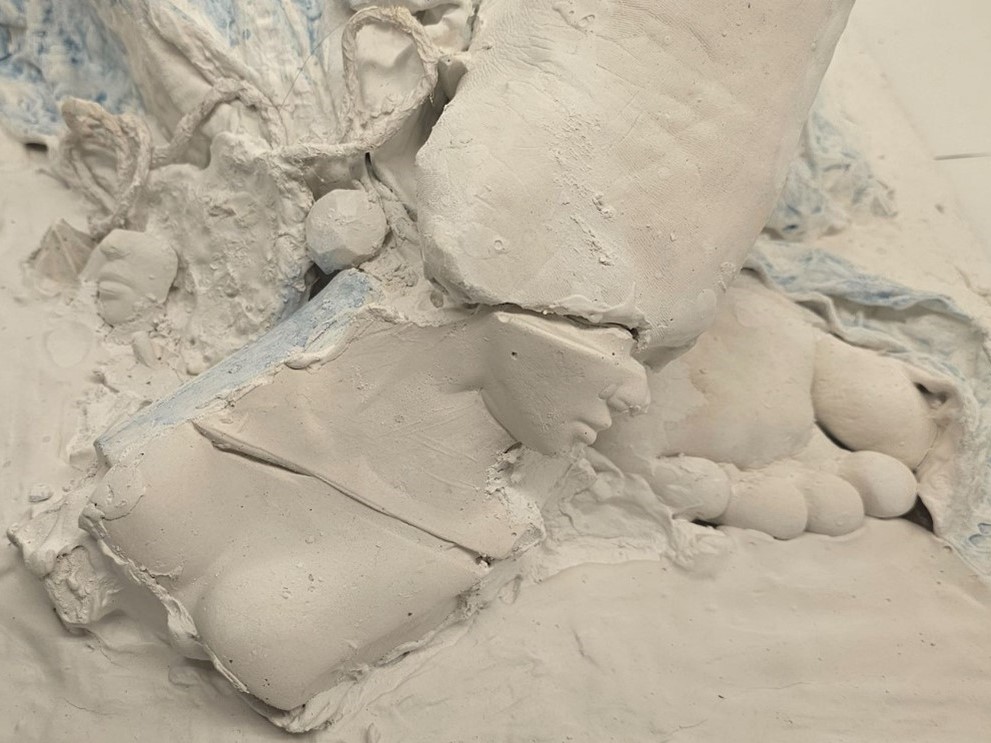
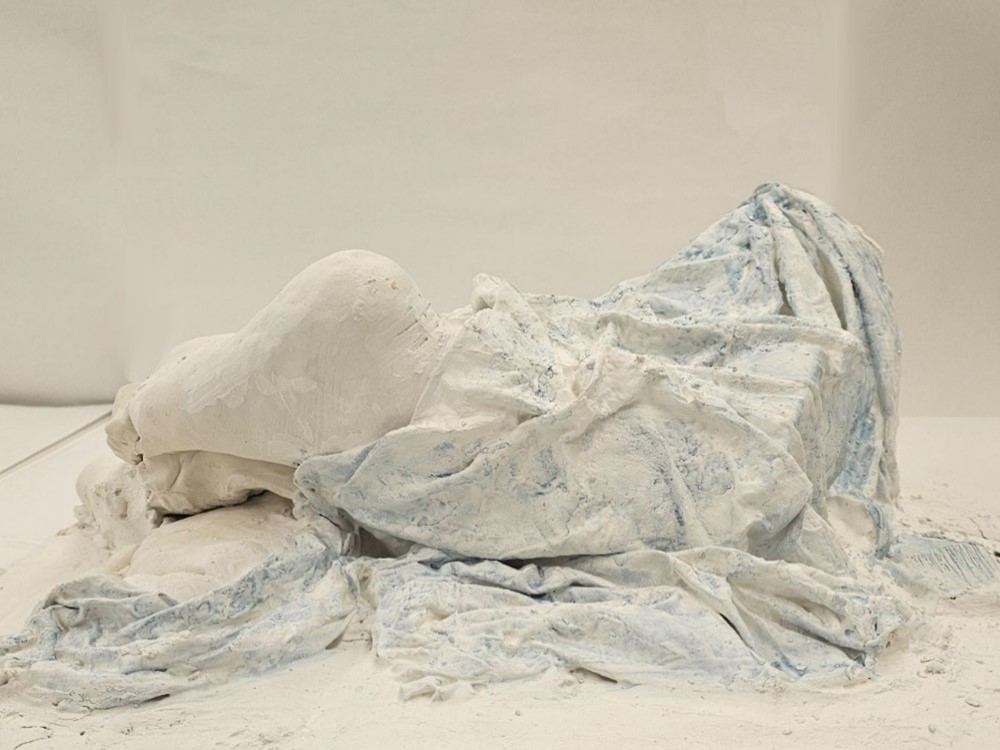
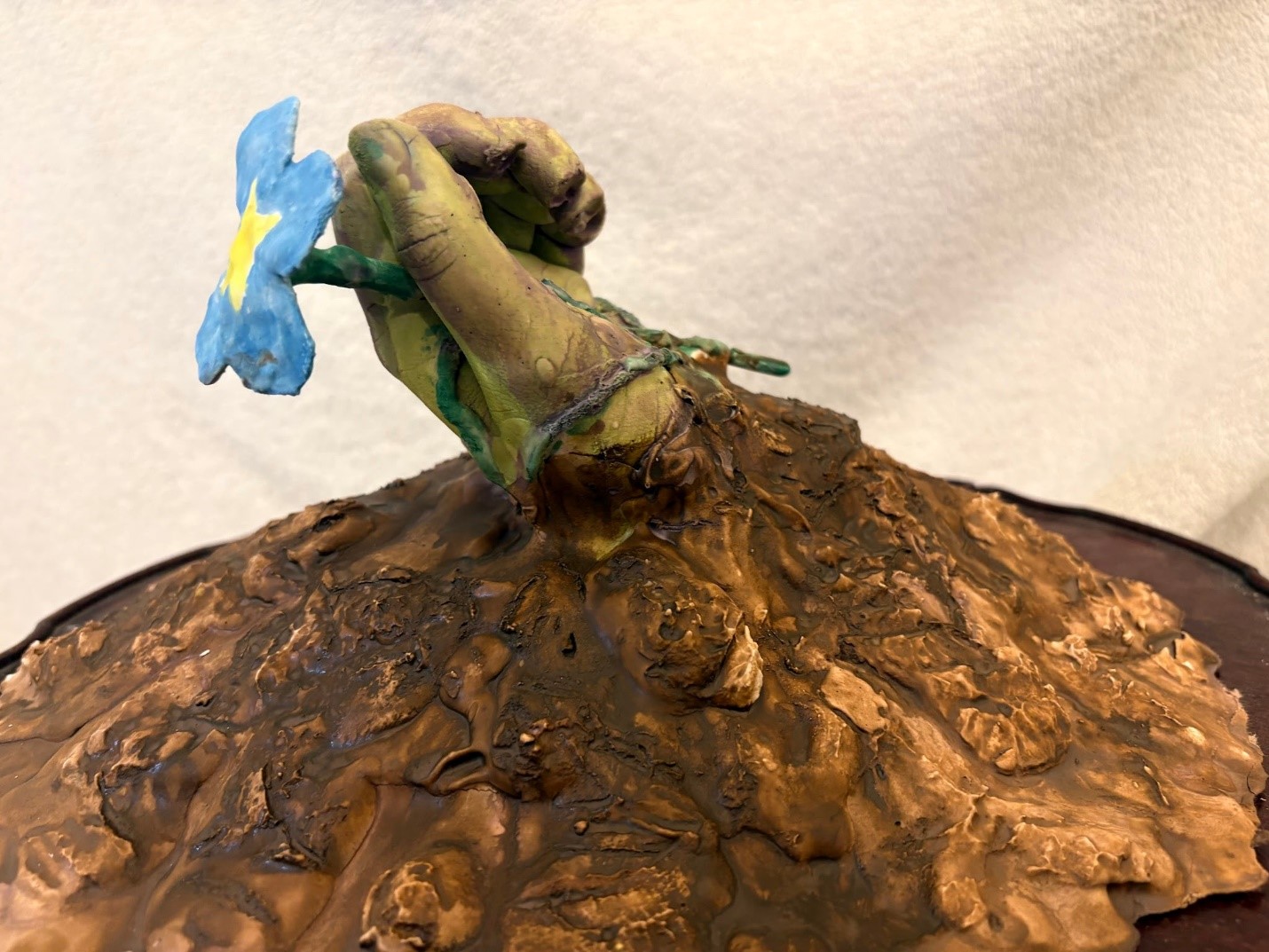
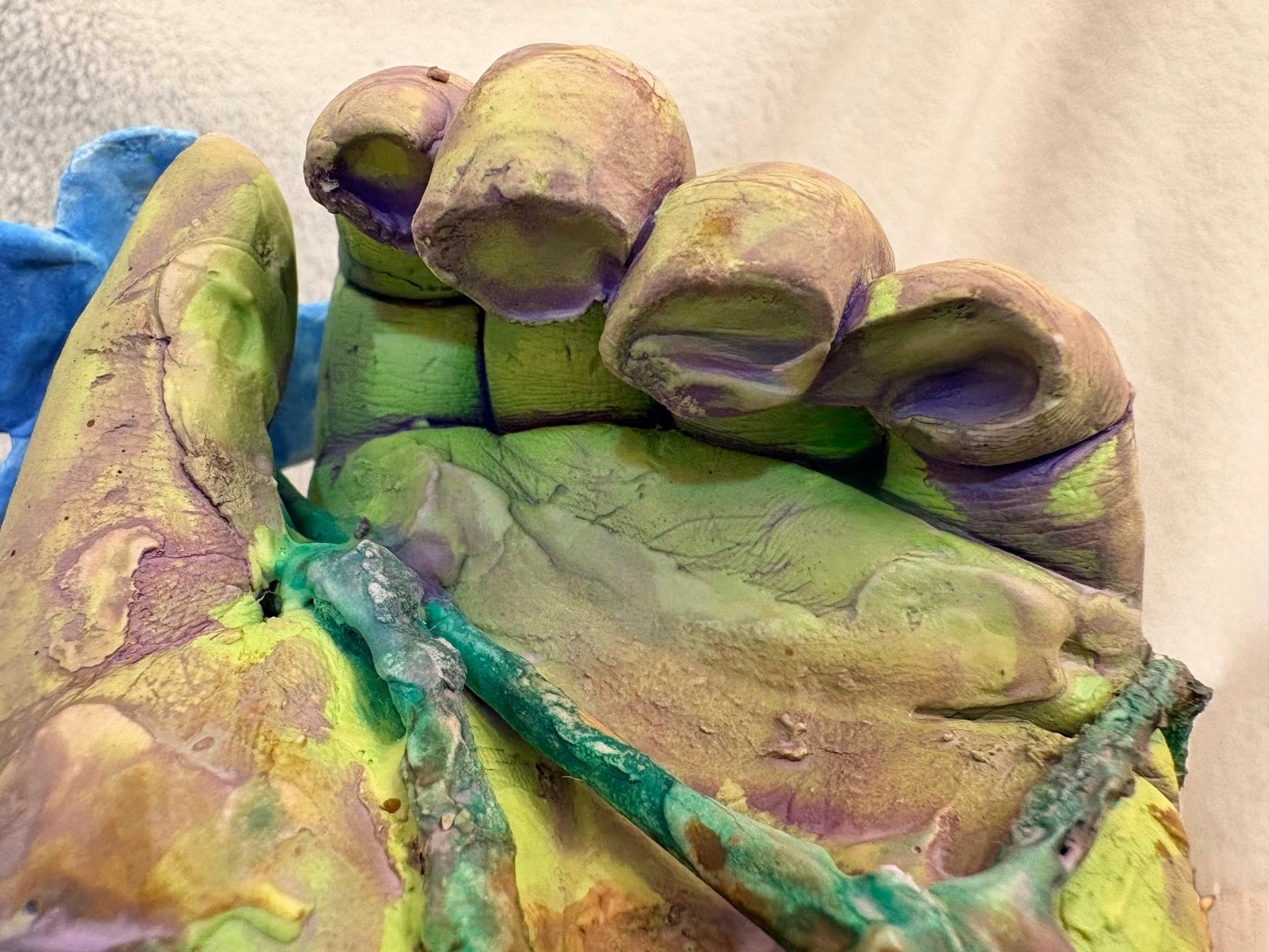
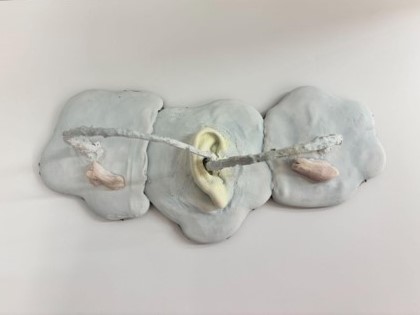
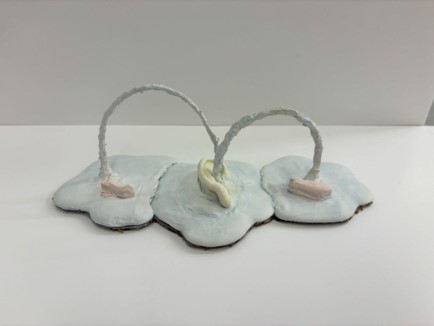
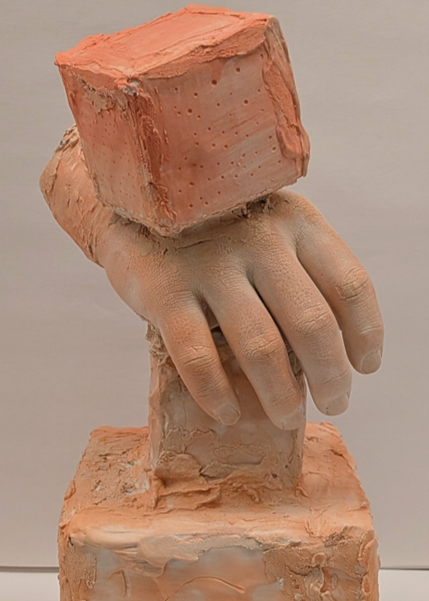
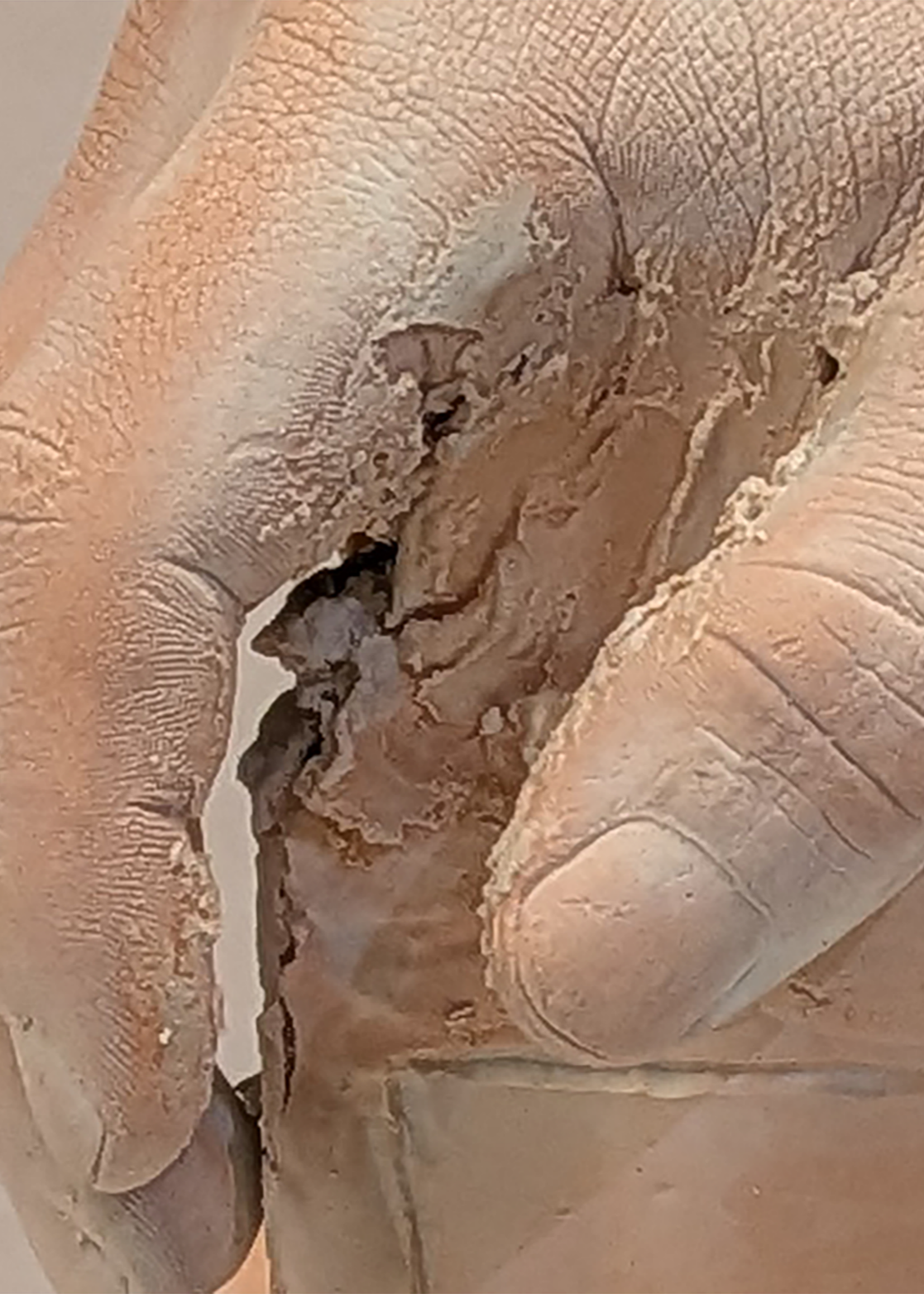
Cast a body part using Alginate and Plaster to: Make an “archeological fragment,” as if a hybrid statue that is part-self/part-other (of your creation) was made years ago, buried in earth, and then only a fragment of its body was unearthed; made of plaster (including cast, carved, and lay-up elements), the fragment should combine a cast element of your own body blended with an “other” form of your own making.
Learning otcomes:
• How cast plaster into alginate
• How to imbed attachments within a cast
• How to combine plaster elements with plaster
• How to mix plaster correctly (island method)
• How to carve plaster
• How to do plaster “lay-up”
• How to properly clean using the “two bucket method”